Living Loop: A Circular Agro-Ecological Landscape in the Yangtze Delta, China
Firm LocationShanghai, China
Project locationSuzhou, Jiangsu
CompanyArcplus Shanghai Xiandai Architectural Decoration & Landscape Design Research Institute Co., Ltd.
Lead ArchitectYANG Lingchen, YANG Qing, MAO Yongqing
Design TeamSUN Yanyan, LIU Dongbo, JIANG Chunyao, ZHANG Yuzu, ZHU Shuangwu, LIU Li, GAO Li, LI Binghua, GU Hao, CHEN Min, WANG Yuchen, DING Fang, BAO Lin, HE Changlong, KONG Lianmei, SHAO Kai, QI Youwei, WANG Jiawei, GU Yachun, SHI Hang, XIE Yuchen
ClientNew Development Construction Co., Ltd. of the Yangtze River Delta Integration Demonstration Zone
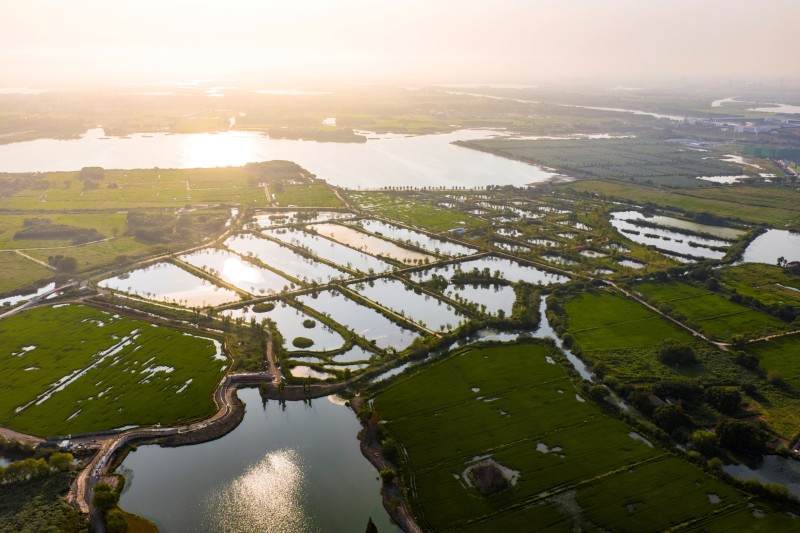
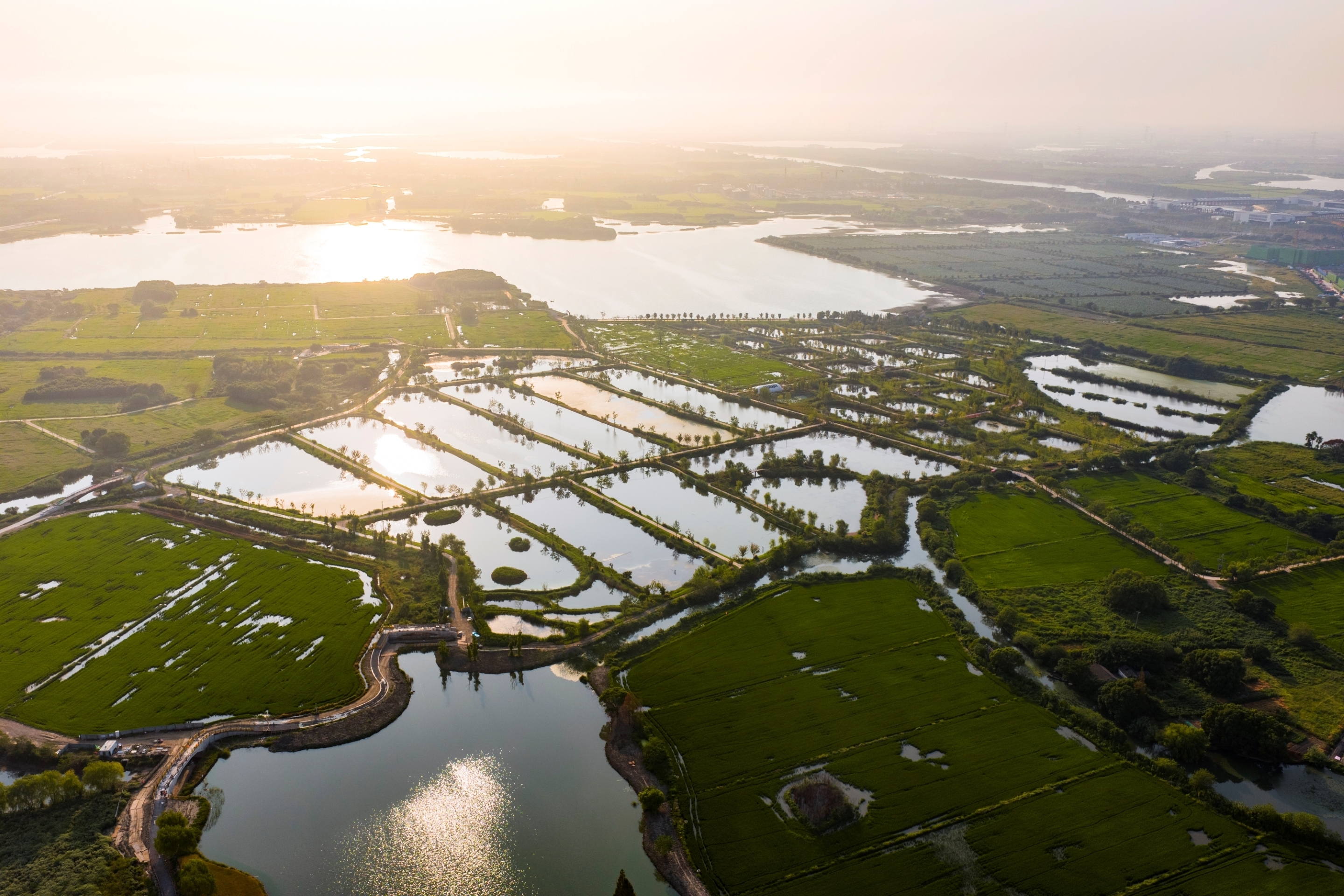
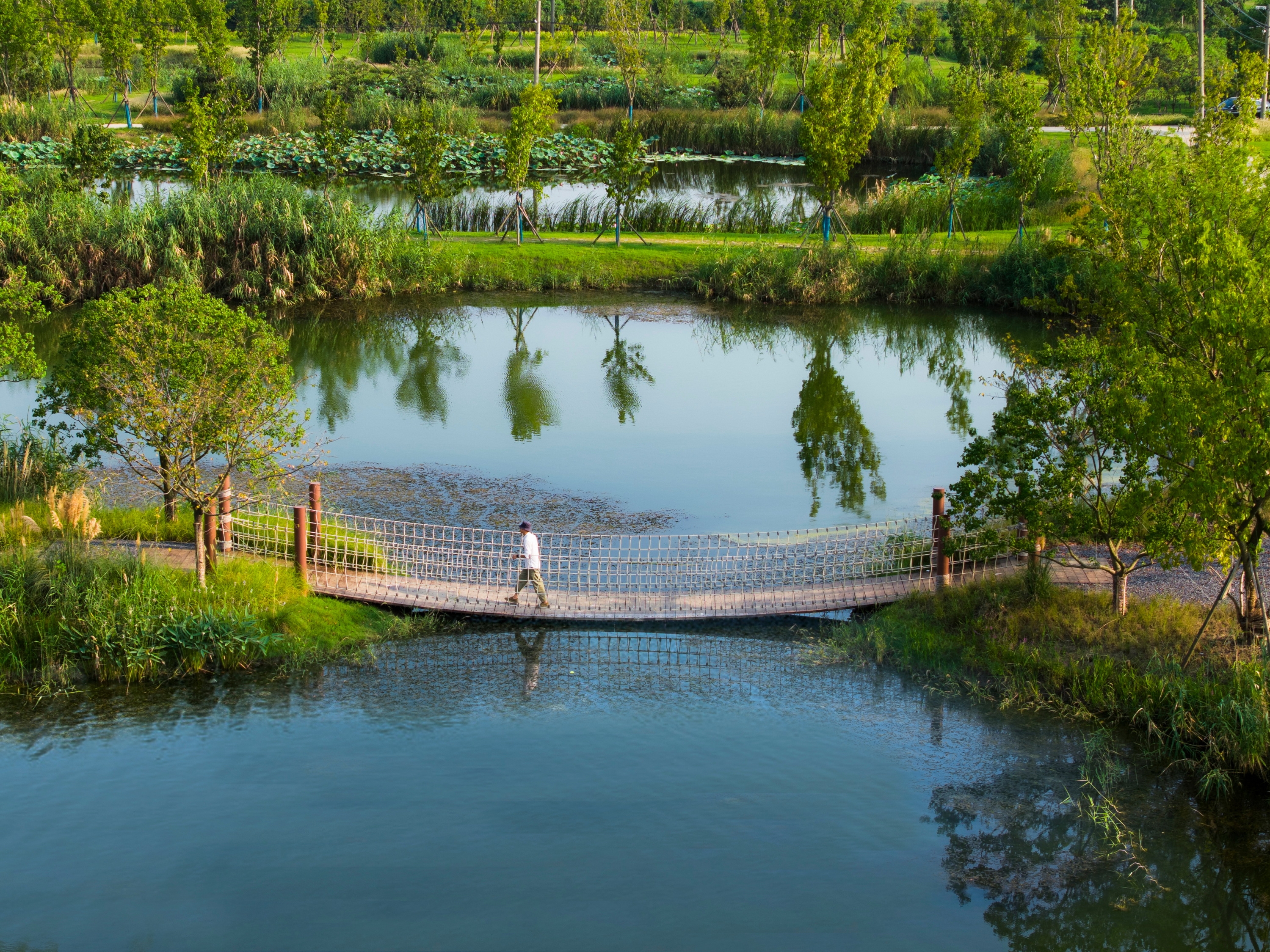
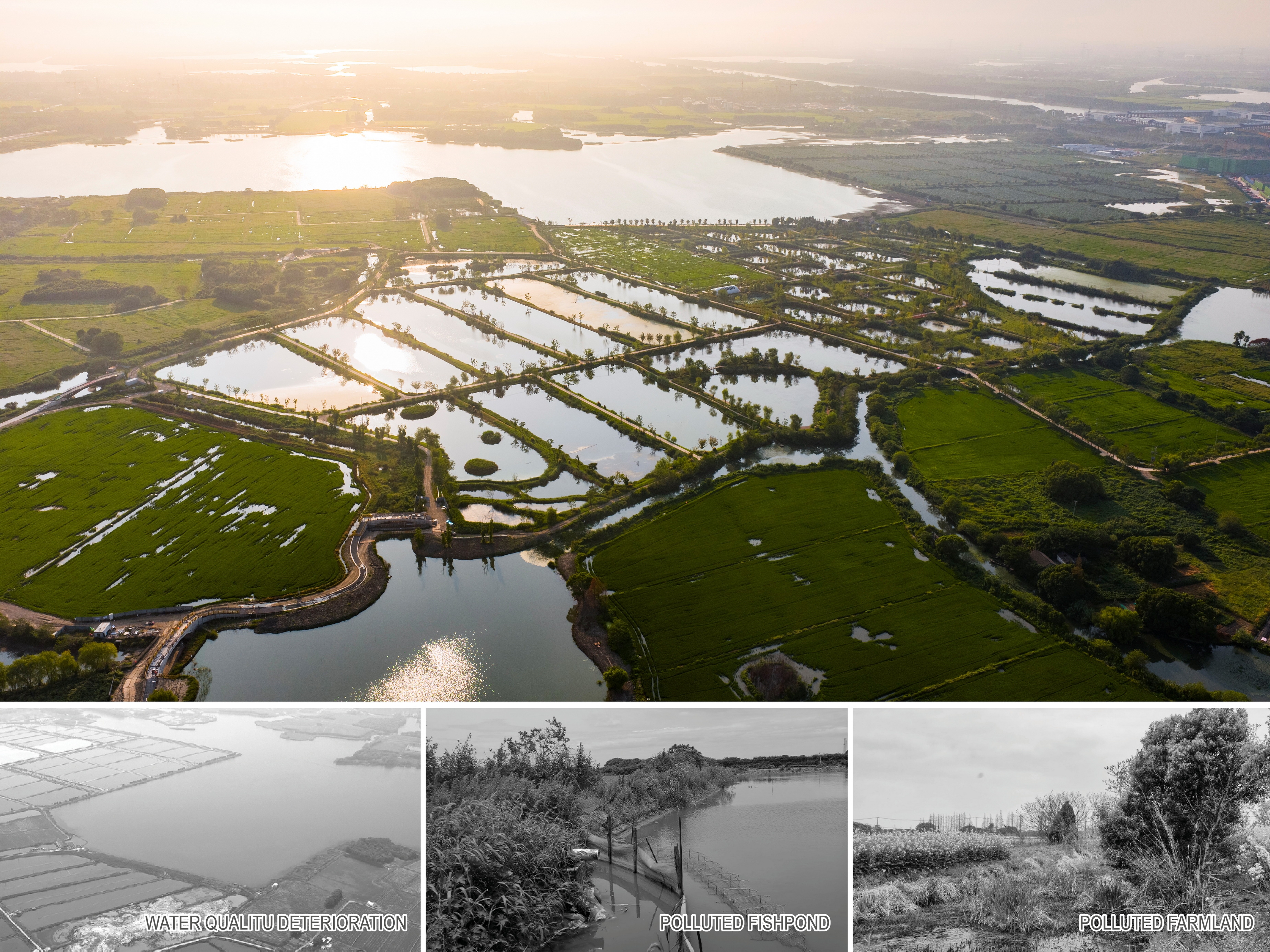
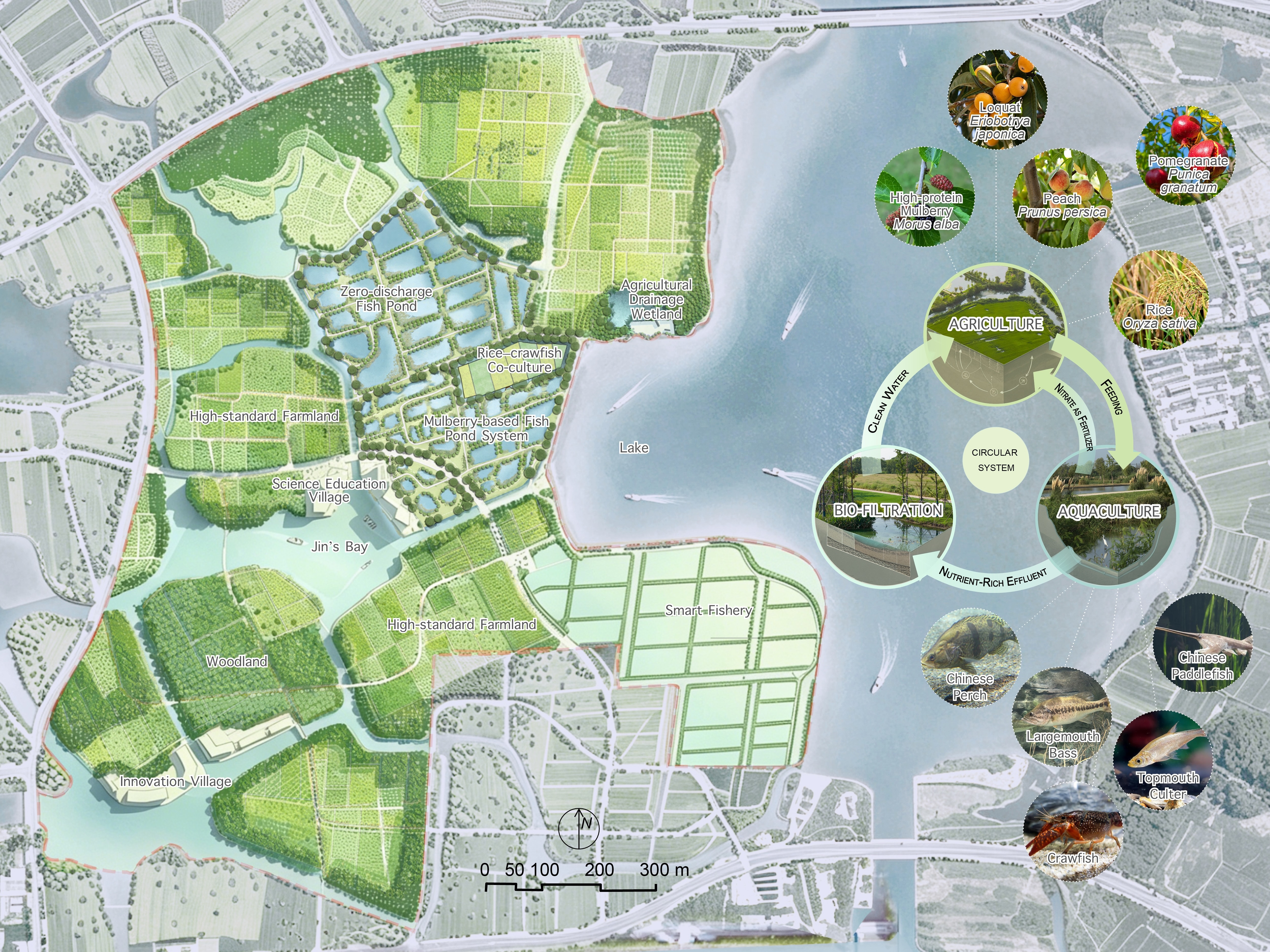
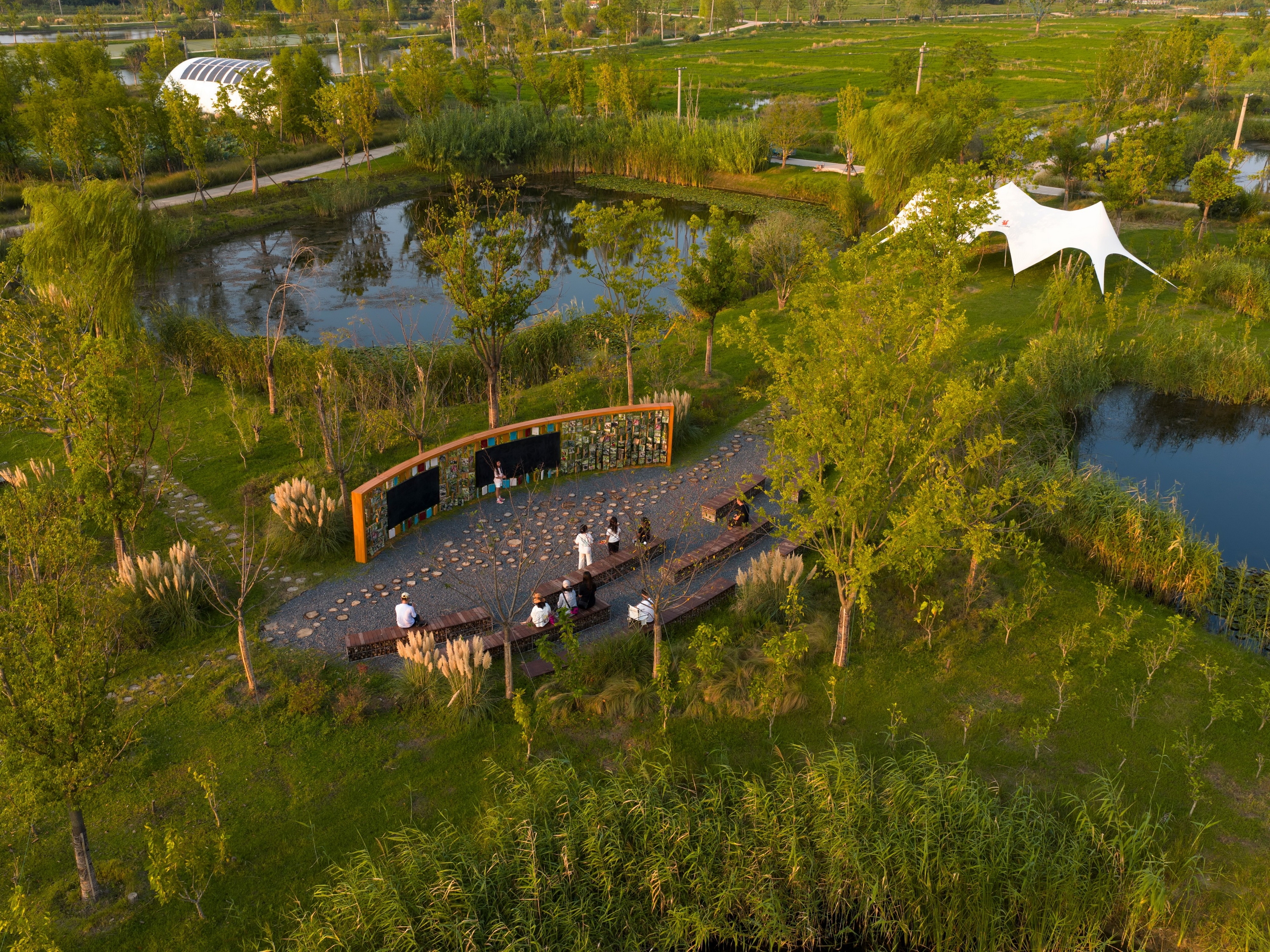
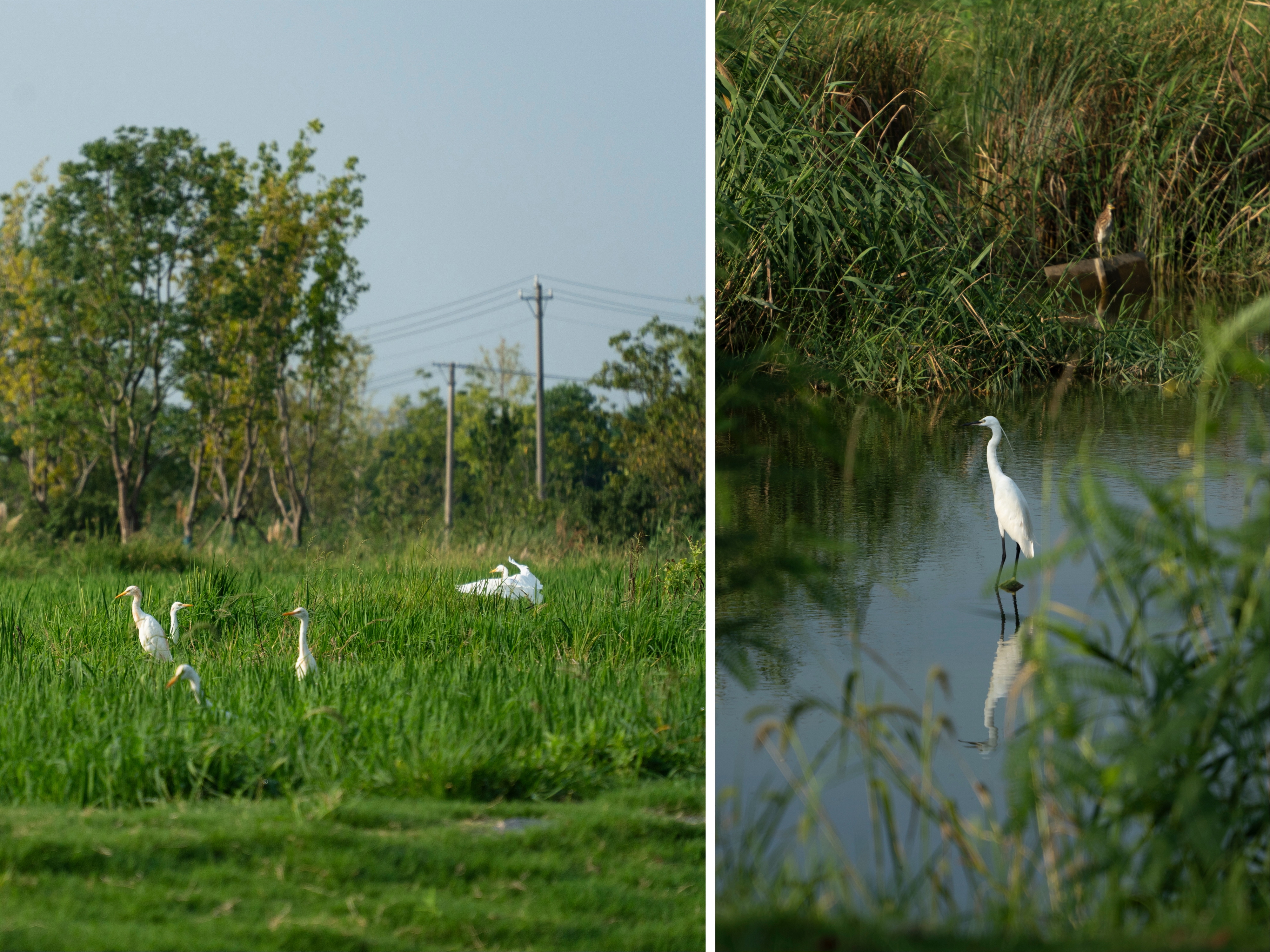
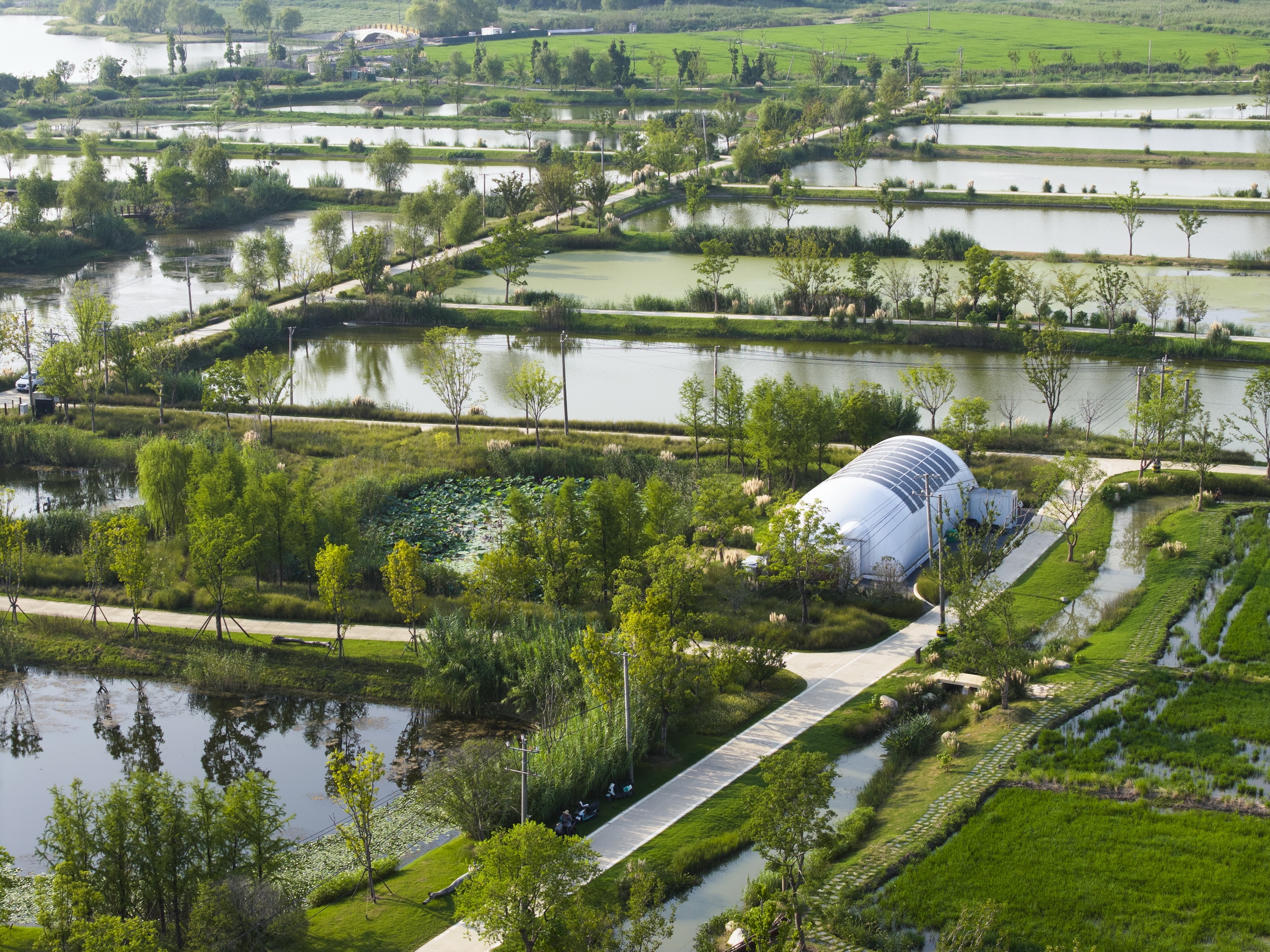
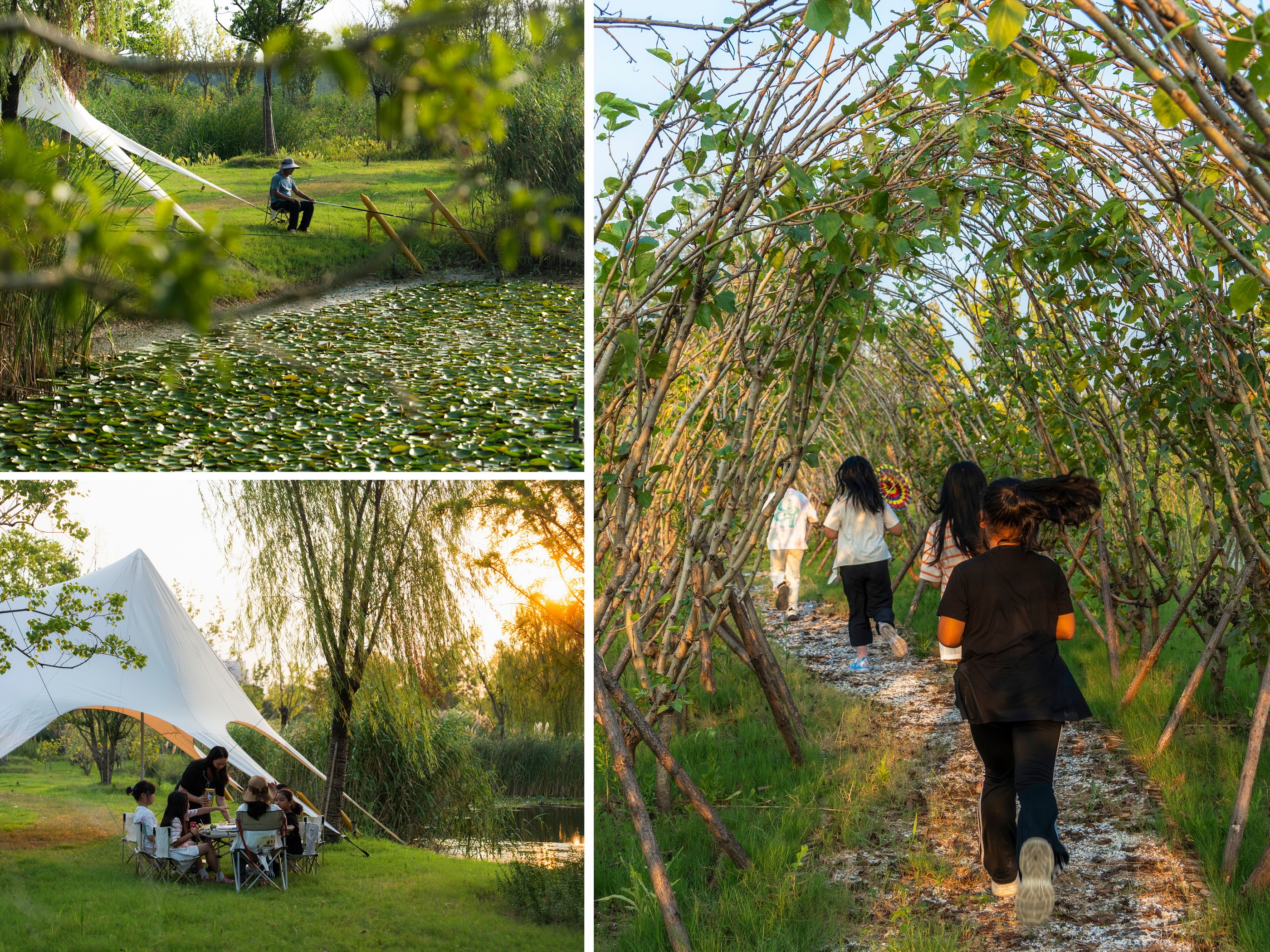
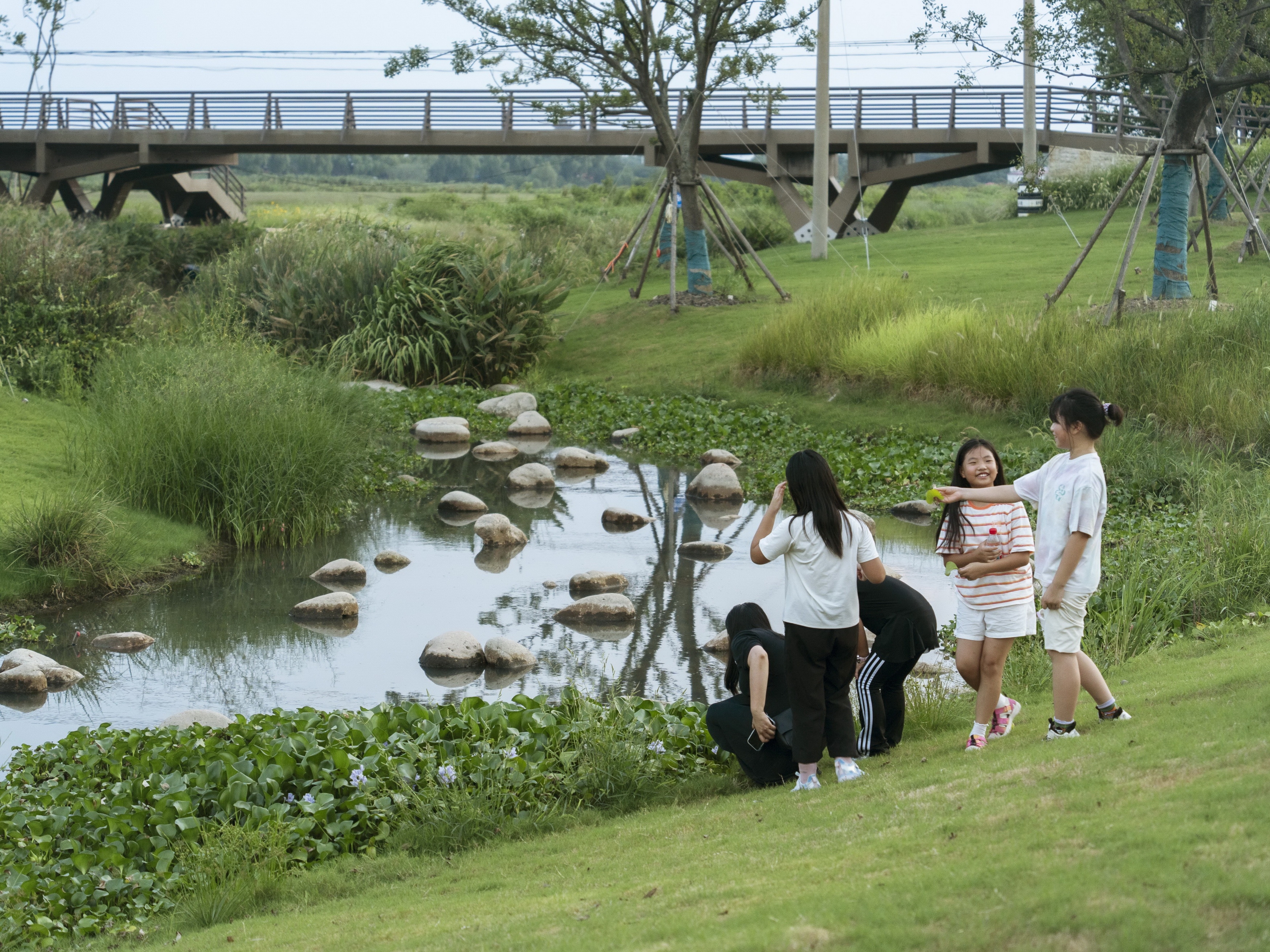
Rooted in the Yangtze Delta Eco-Green Zone, this project reinterprets the traditional mulberry-fishpond into a composite system of water-land symbiosis, farming-aquaculture synergy, and material cycling. Three models (zero-waste fishponds, rice-crawfish co-cultivation, and farmland-runoff wetlands) form a water and biomass loop that reuses farm runoff and cuts nutrient pollution. Dried ponds become multi-scale wetlands, lifting biodiversity and education. A demonstration-zone project, it offers a replicable model for Jiangnan water-town restoration, uniting ecology, education, and heritage.