Dismantled by the Sea Breeze: Reassembling a Fishing Village Through Fragments
Company亞璇 鍾
University/SchoolKun Shan University
Lead Architect亞璇 鍾
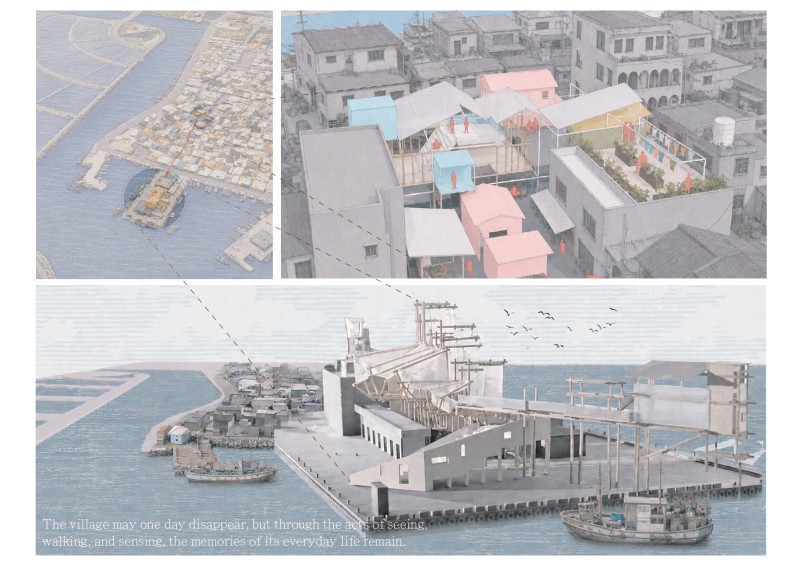
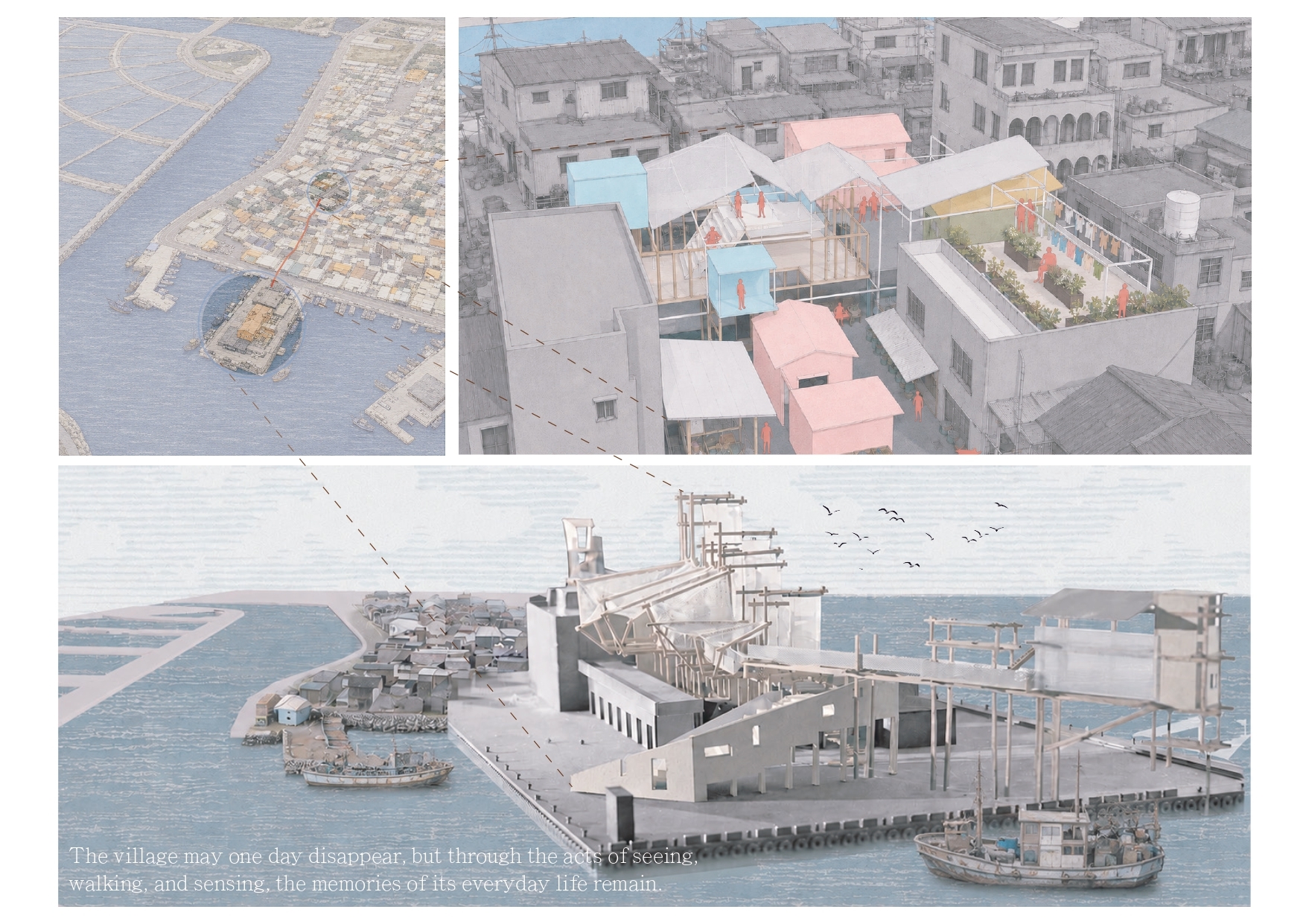
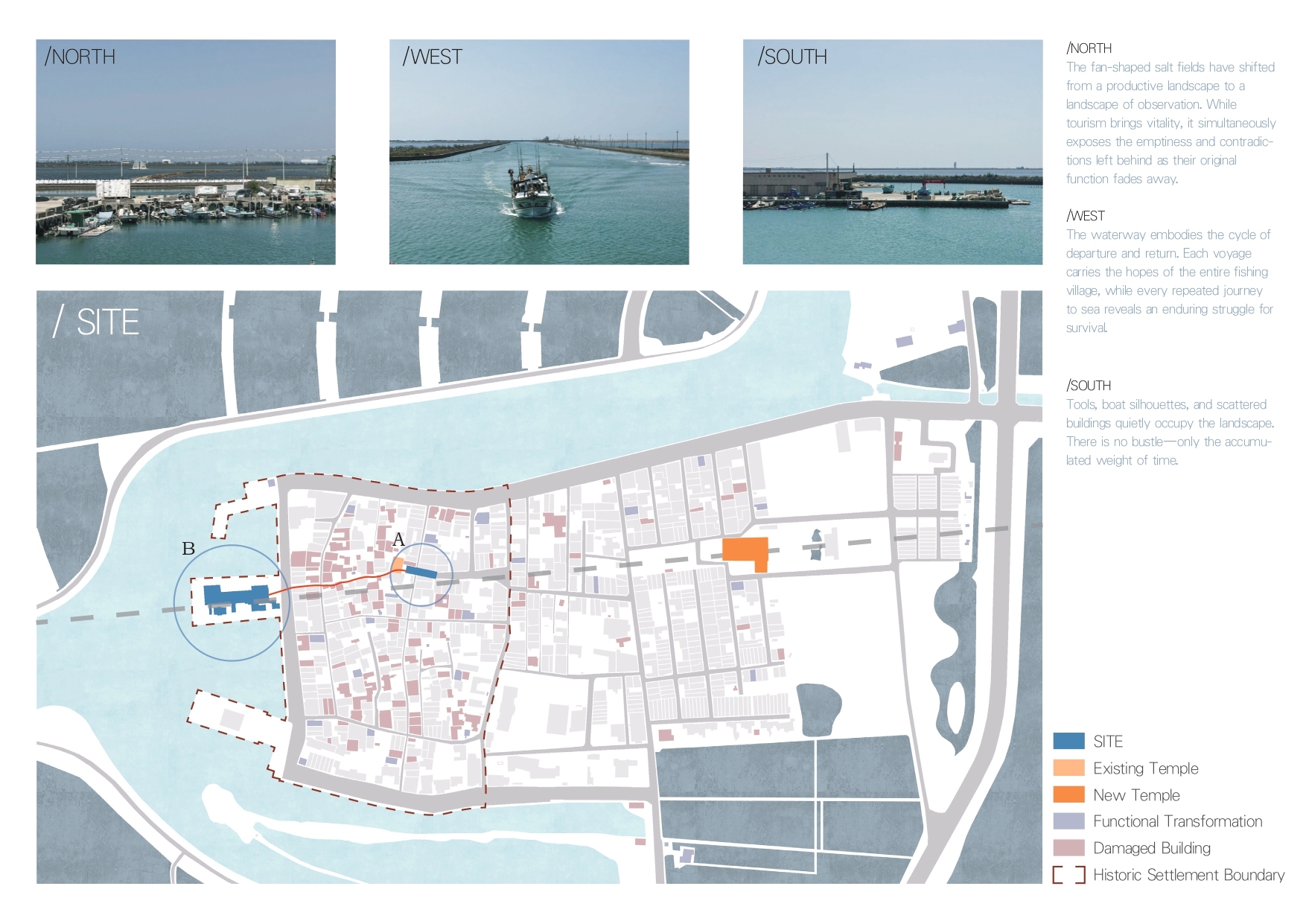
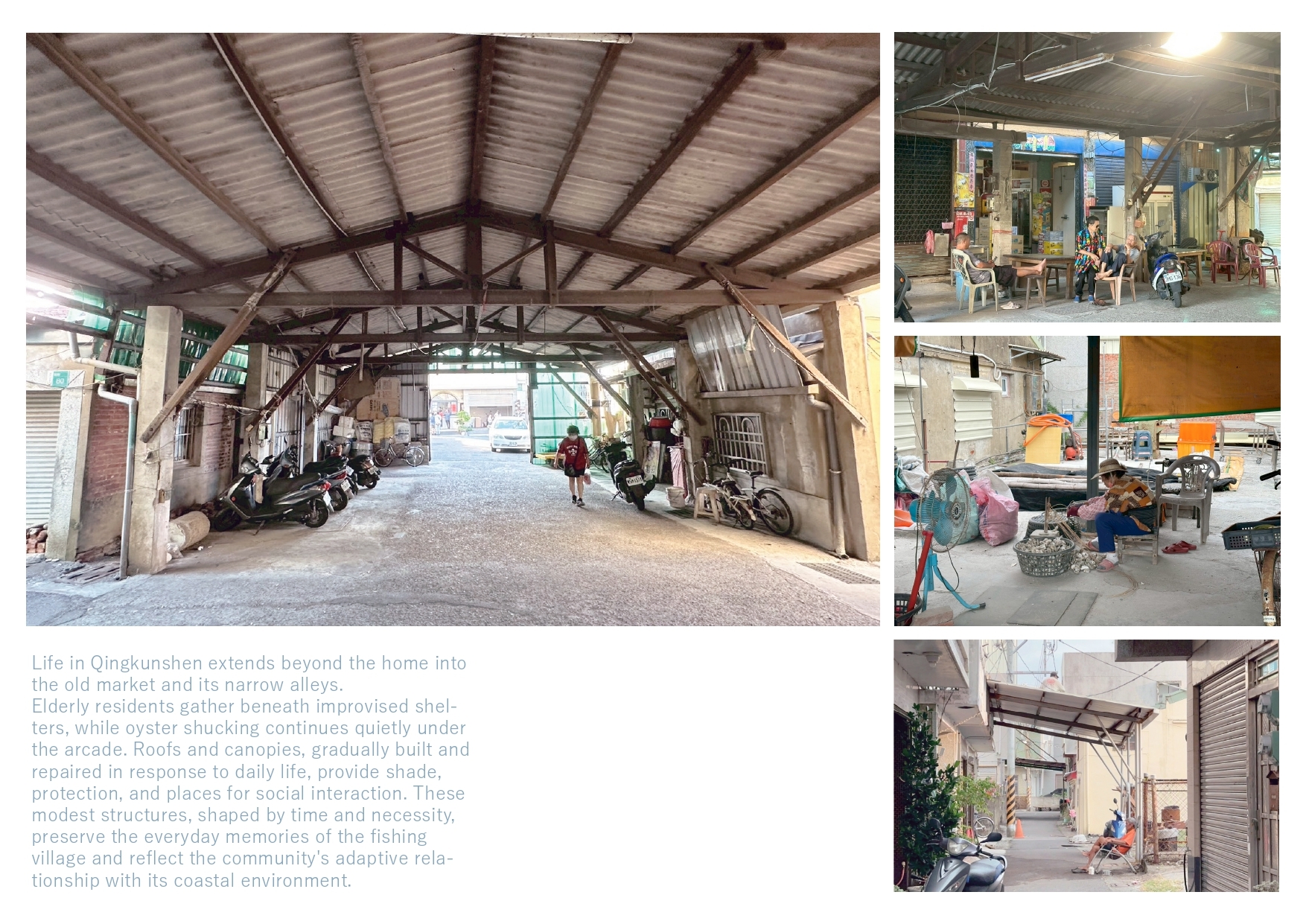
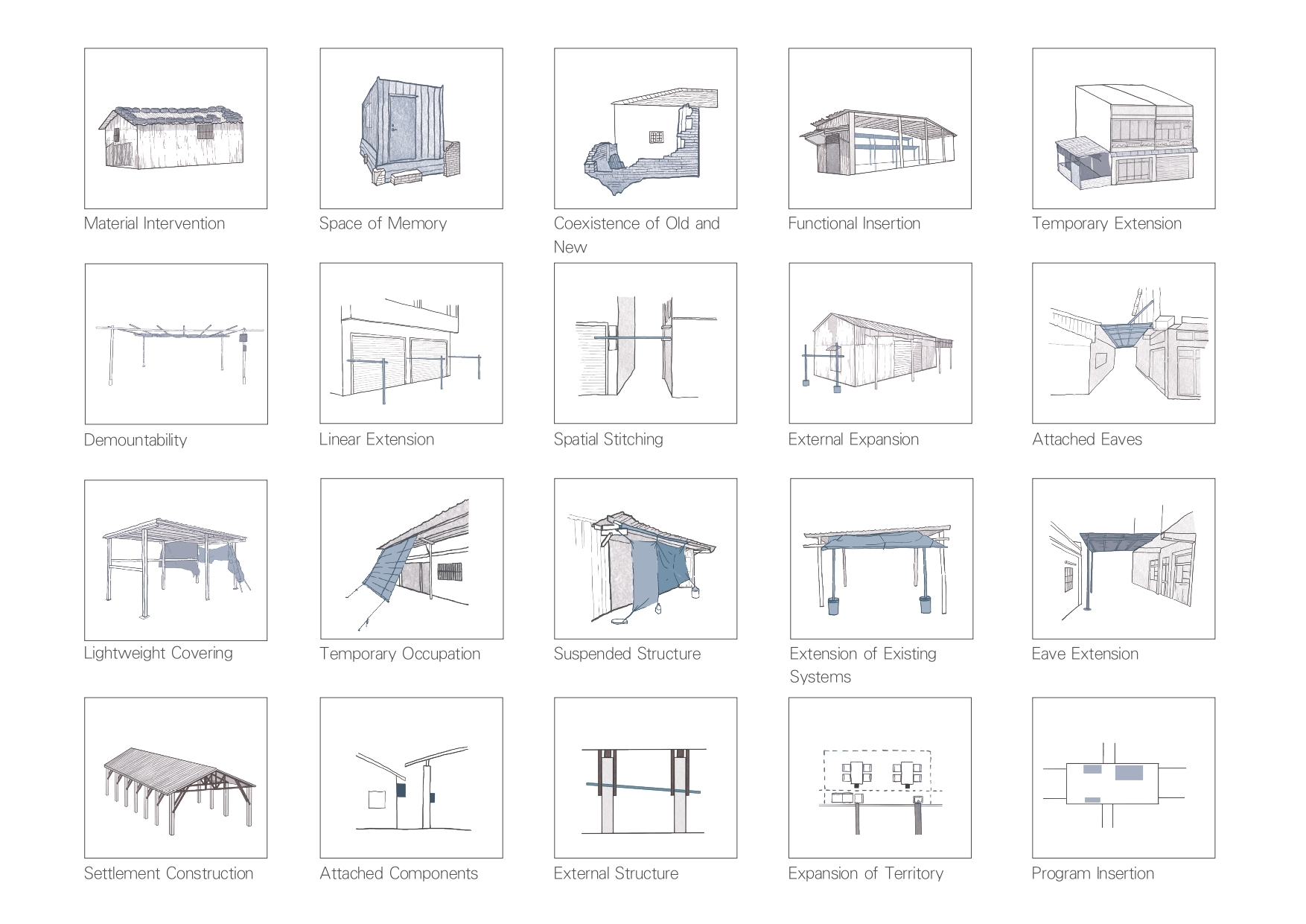
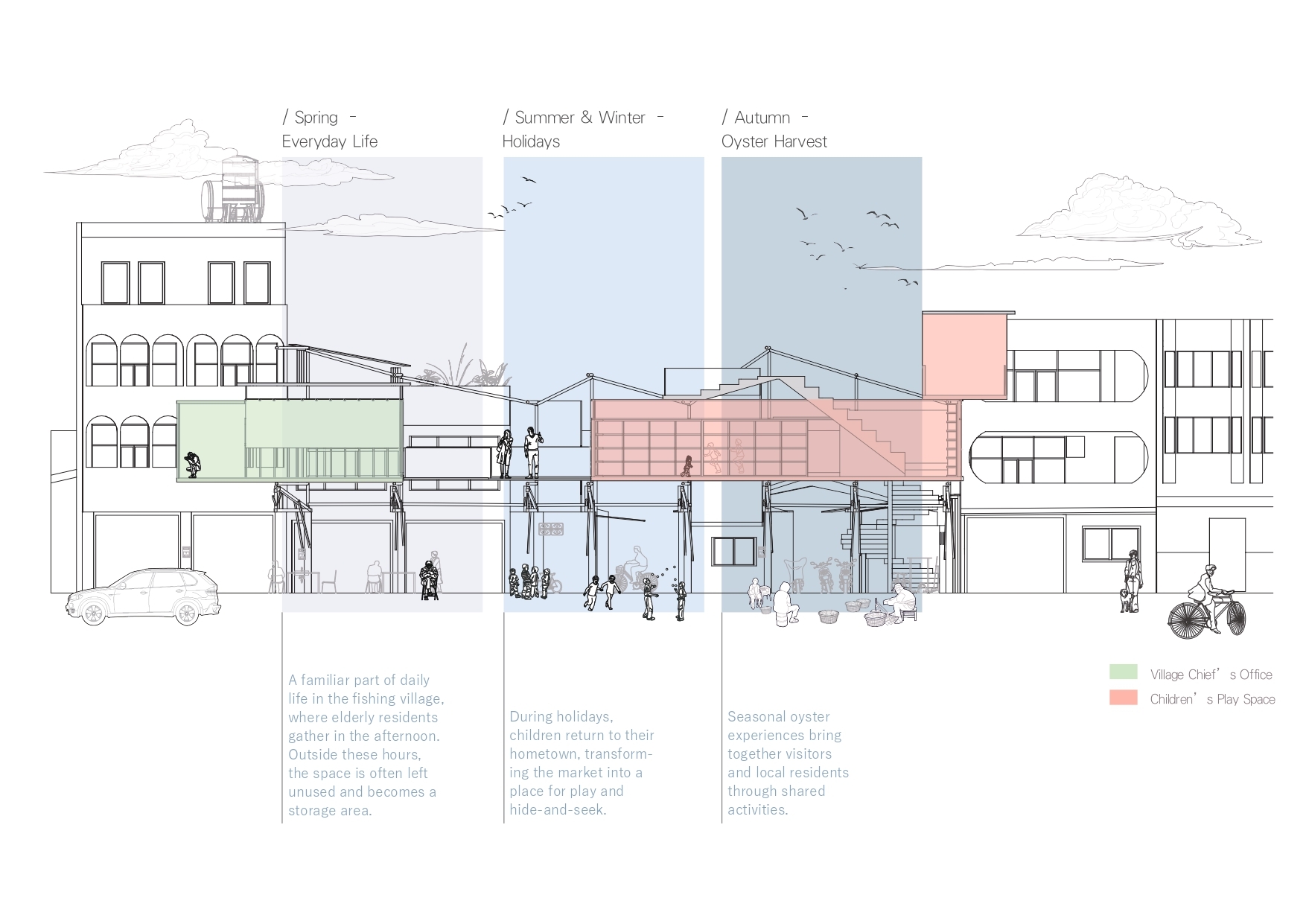
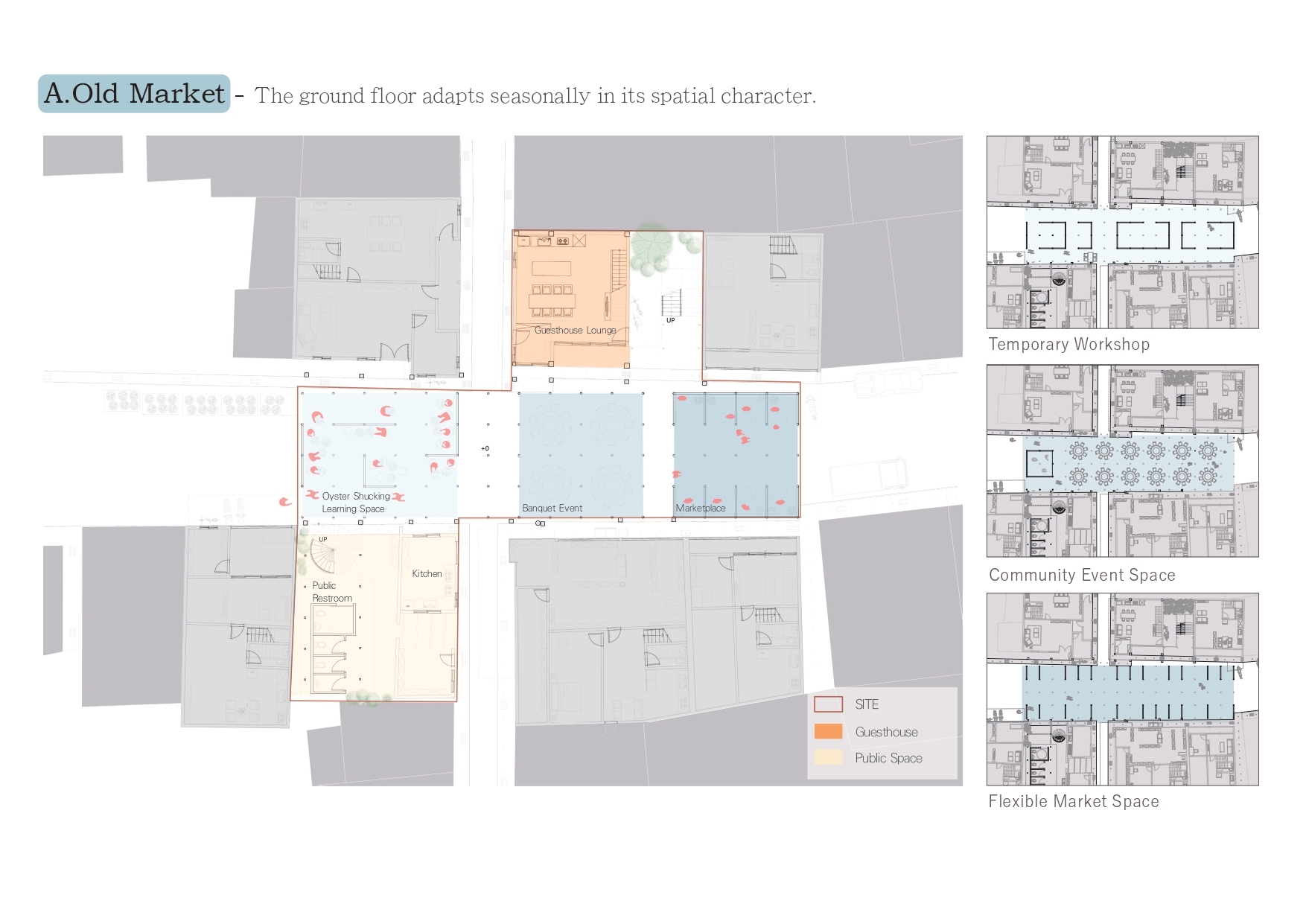
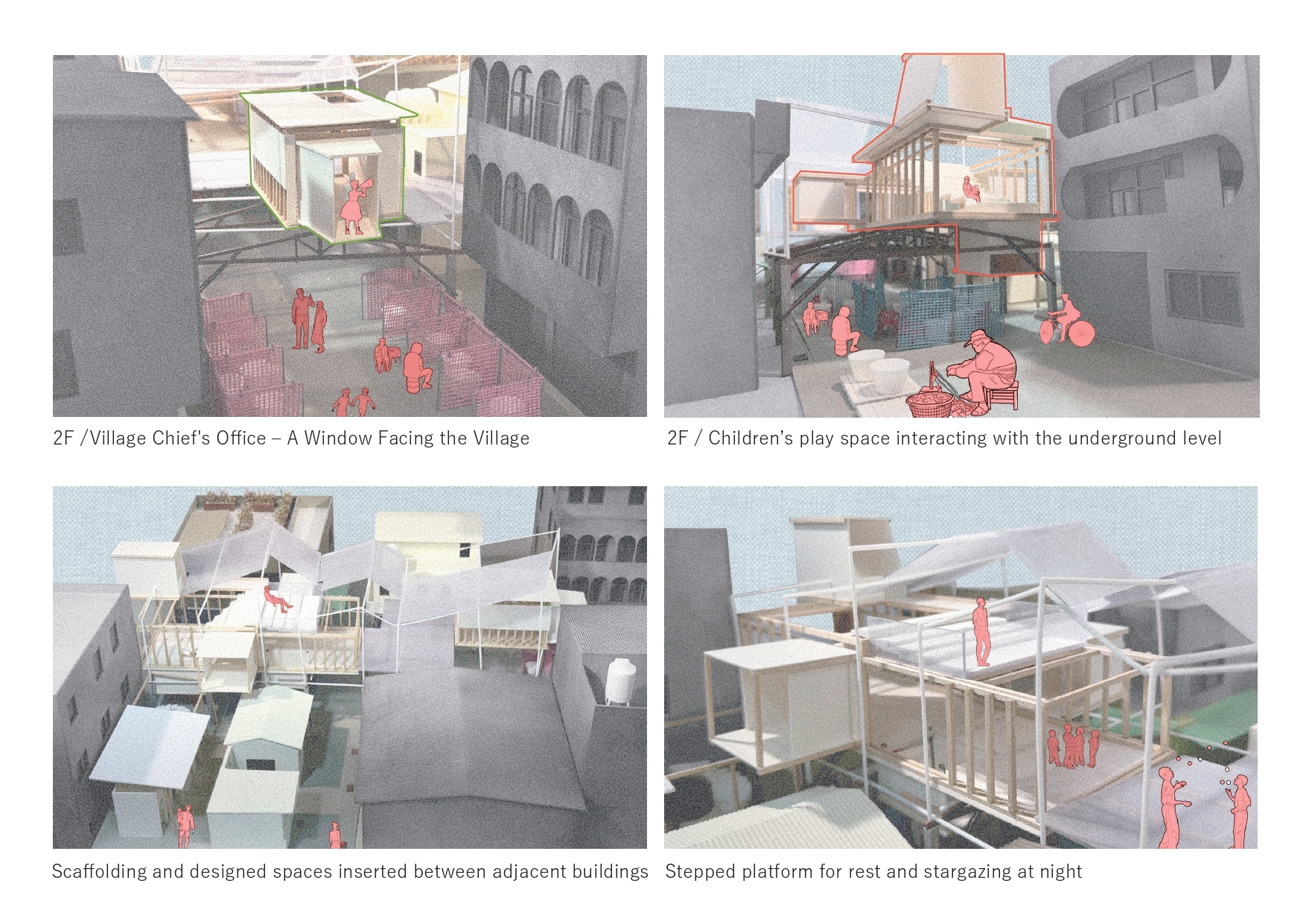
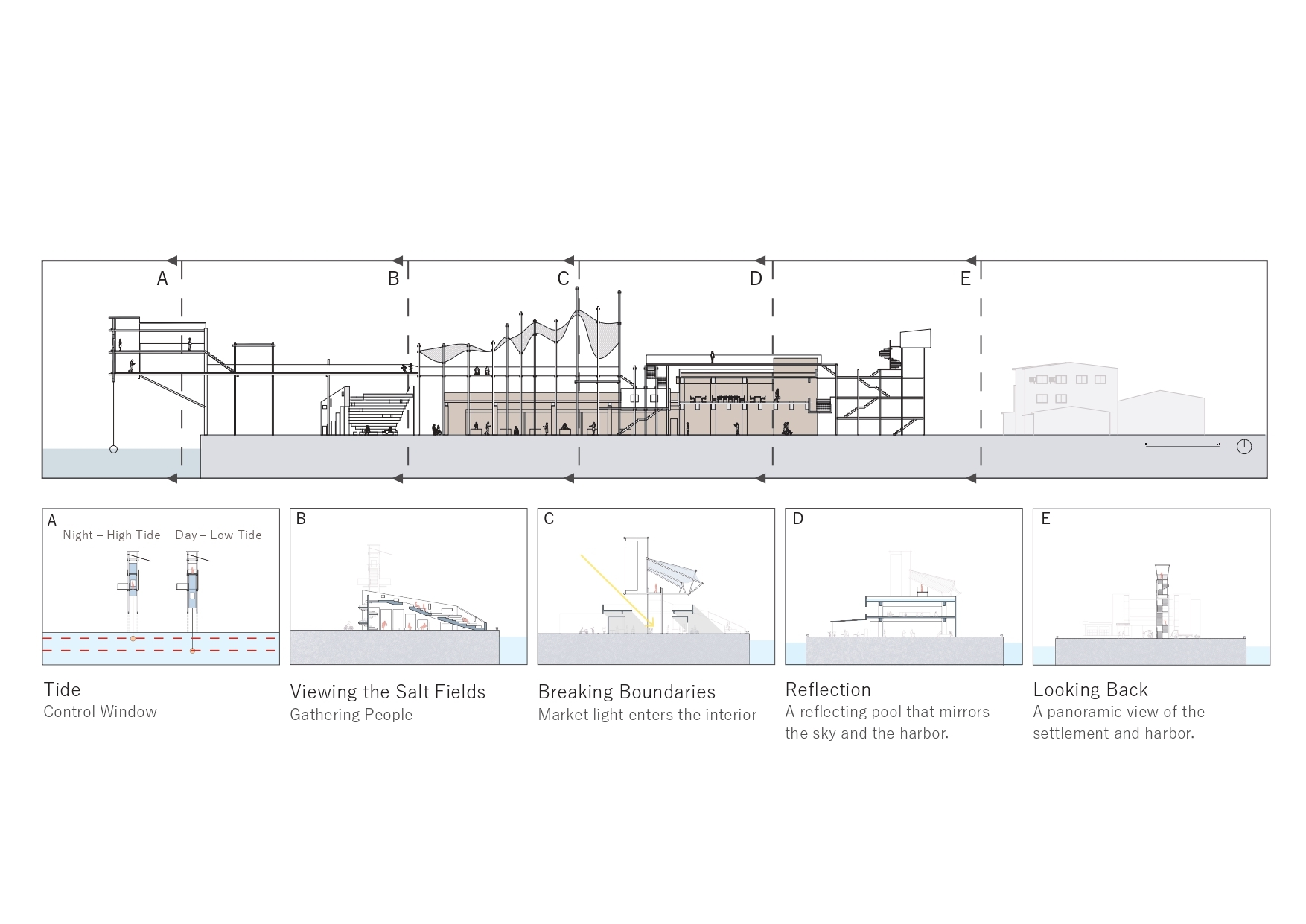
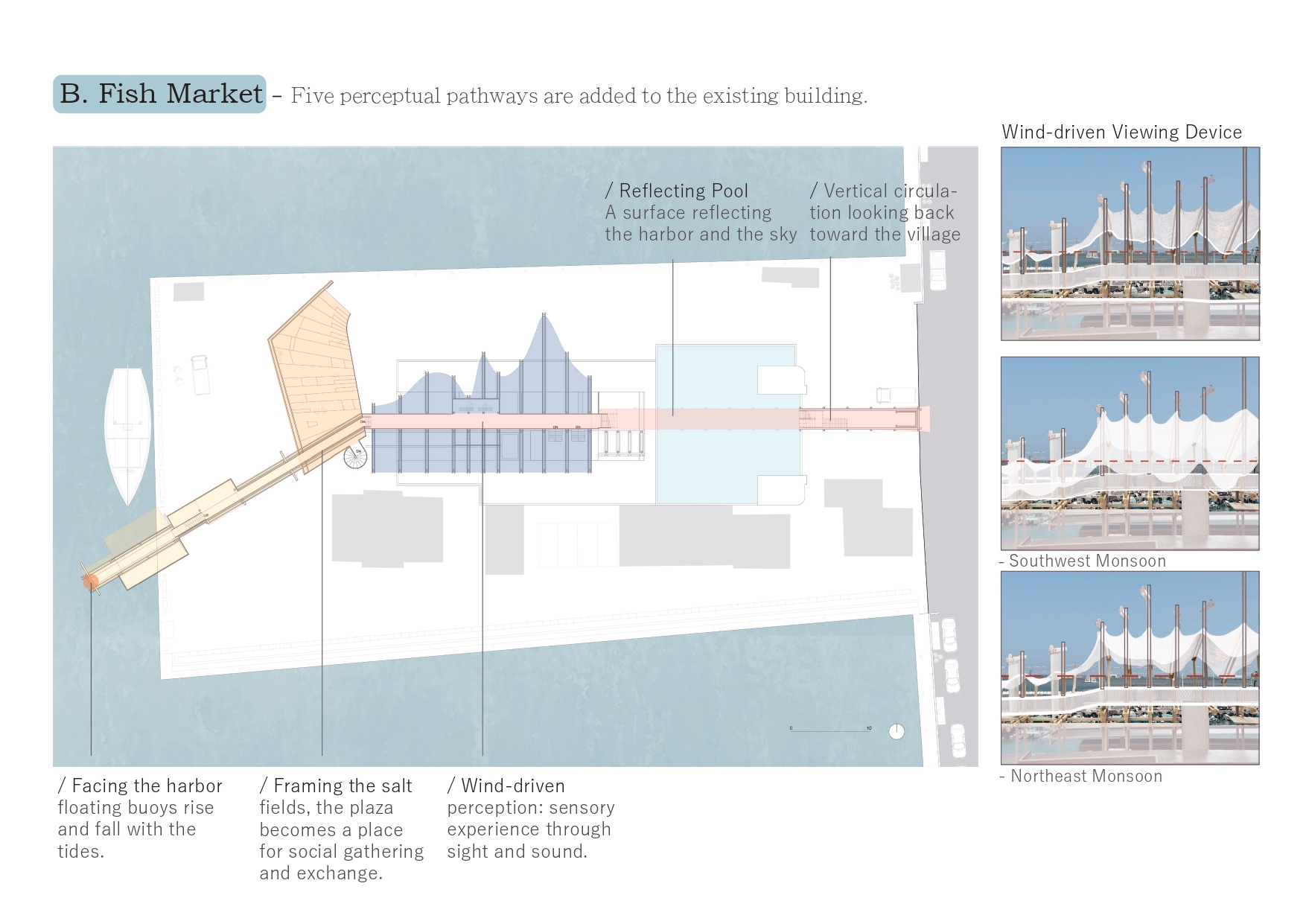
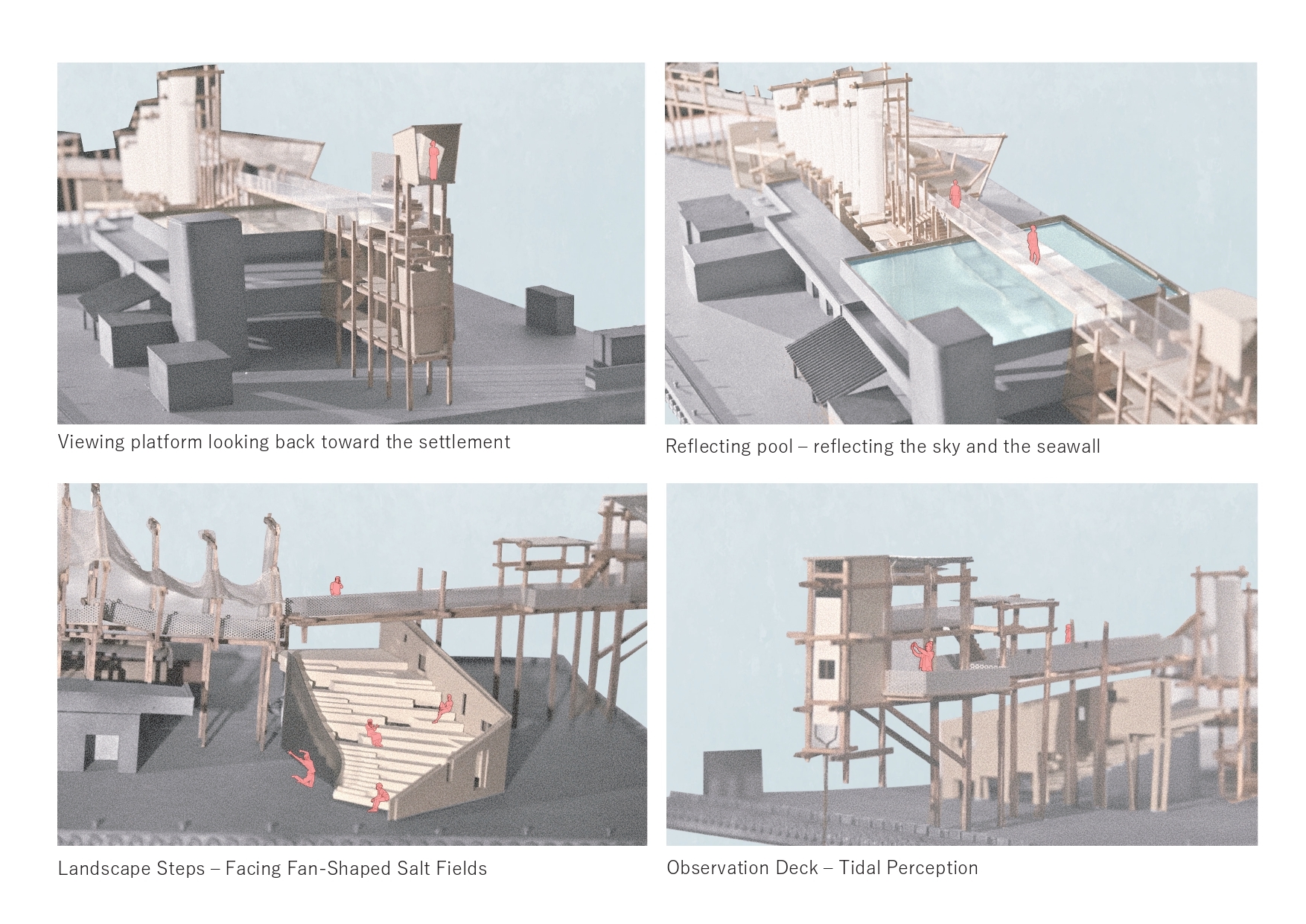
This project explores Qingkunshen, a coastal fishing village in Taiwan, where industrial decline and population loss have led to gradual spatial change. Residents continuously repair and extend their environment using metal frames, nets, and sheds, forming an incremental condition.The design proposes village fragments,transforming this practice into a reconfigurable system and public interventions. A sensory route in the fish market uses wind, water, and tides to reshape the site experience.Rather than preserving form, the project sustains fading memory through spatial and sensory experience.