3 Best Building Design Awards in 2026
January 29, 2026Last updated: March 12, 2026
Every year, the global architecture community comes together to celebrate its finest achievements through a host of prestigious awards.
From sustainable housing and cultural landmarks to cutting-edge skyscrapers, building design awards put a spotlight on projects that push the boundaries of design.
In this article, we’ll take you through the best awards and discuss what makes winning projects stand out for each.
Whether you’re an architect, firm or enthusiast, this guide is for you.
TL;DR: the best building design awards in 2026 are:
- RIBA National Awards & Stirling Prize
- Architecture MasterPrize
- Holcim Awards for Sustainable Construction
Now let’s get stuck in.
Why Building Design Awards Matter
Building design awards play a crucial role in the architecture industry. They recognize excellence and innovation, helping to advance public appreciation of great architecture. By highlighting exemplary projects, awards set benchmarks for quality and inspire other architects to raise the bar.
These accolades also celebrate the societal value of architecture. For instance, the Royal Institute of British Architects (RIBA) notes that its top award “celebrates buildings that have made a significant contribution to the evolution of the built environment”. In other words, award-winning buildings aren’t just beautiful. They improve communities, pioneer sustainable practices, or solve complex problems in the built world. When a project wins a major award, it sends a message that this design matters and has something to teach the world.
From the architect’s perspective, awards can be career-changing. Winning (or even being shortlisted) puts designers in the spotlight of media and clients. Many award programs publish annual books or press releases of winners, ensuring global coverage. For example, winners of the Architecture MasterPrize award have been featured across a wide range of media channels all over the world. This kind of exposure helps studios attract new clients, talent, and collaborative opportunities. In short, building design awards matter because they reward innovation, influence industry trends, and amplify the impact of great architecture.
Now let’s go through the best building design awards.
Best Building Design Awards in 2026
Several top-tier awards have showcased the best of architectural design across different categories and themes. Below, we delve into the most notable competitions, what they stand for and why they’re considered the best.
1. RIBA National Awards & Stirling Prize
In the United Kingdom, the RIBA National Awards and the Stirling Prize is a well renowned and respected architectural accolade. The RIBA (Royal Institute of British Architects) National Awards are given annually to the best new buildings across the UK, and they serve as the pool from which the Stirling Prize shortlist is drawn. While these awards are national, their influence is international. Architects worldwide pay attention to the Stirling Prize winner each year due to its prestigious reputation.
To be eligible for the Stirling, a building must be designed by a RIBA Chartered Architect and must have already won a RIBA National Award that year. In practice, RIBA National Awards are announced over the summer, typically recognizing around 20 to 30 outstanding projects. From those, an elite shortlist of six finalists is chosen for the Stirling Prize. This two-tier process is one of the most rigorous in architecture, which is why a Stirling Prize winner carries respect.
The 2025 Stirling Prize was awarded to Appleby Blue Almshouse by Witherford Watson Mann, a social housing complex for residents over 65. The project isn’t a flashy skyscraper or museum; it’s a thoughtful redevelopment of an almshouse (affordable senior housing) that the jury praised as “a radical reimagining of later living as a collective experience”. Crowning this kind of project as building of the year shows RIBA’s commitment to architecture that addresses real societal challenges.
While the Stirling Prize is the headline, the RIBA National Awards themselves are a badge of honor. They indicate a project is among the very best in the UK for that year. Many firms use “RIBA Award-winning” as a mark of quality.
2. Architecture MasterPrize
The Architecture MasterPrize (AMP) has become a leading global platform for architectural awards. The MasterPrize now casts a wide net internationally, celebrating design excellence in architecture, interior design, and landscape architecture.
They AMP offers almost 50 categories, of which are significant number are dedicated directly to building design, including the following:
- High Rise Buildings
- Agricultural Buildings
- Industrial Buildings and more.
AMP is respected for their judging and global reach. Each year, thousands of projects from around the world are submitted. The 2025 cycle, for example, saw entries from 72 countries.
Evaluation is done by a jury of top experts at the forefront of the field. The award organizers invite the public to meet the top designers, architects, curators, and academics who comprise the jury. These jurors (including renowned architects and firm principals) ensure that an AMP award is a genuine mark of quality. Notable figures from the jury include architect Valerie Schweitzer who recently served as Head of Jury.
Recent award winners range from Pritzker Prize laureate Álvaro Siza in cultural architecture to landmark projects such as the Capital International Exhibition & Convention Centre in mixed use architecture and the Pirelli 35 Office Building in commercial architecture.
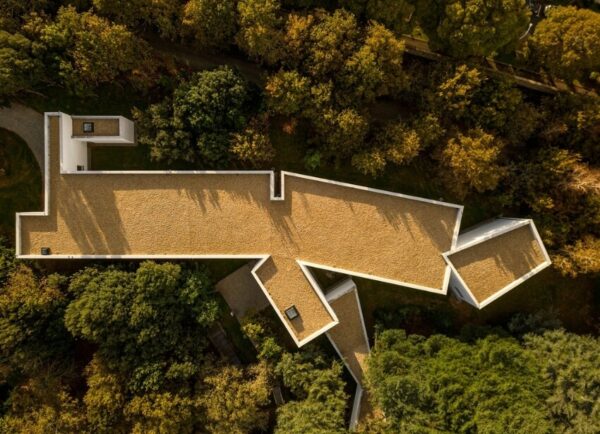
Ala Álvaro Siza – Photo: © Fernando Guerra _ FG+SG
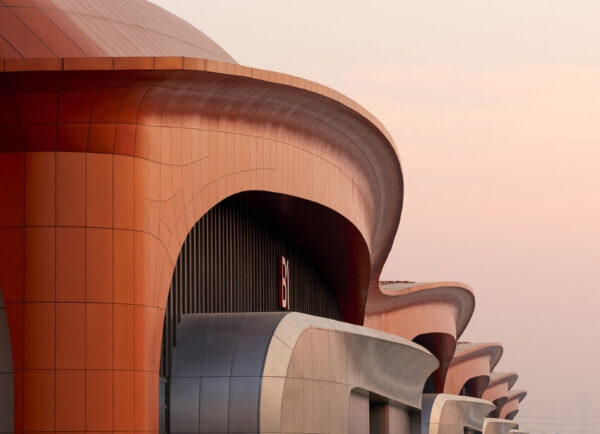
Capital International Exhibition & Convention Centre by Zaha Hadid Architects (Photo Virgile Simon Bertrand)
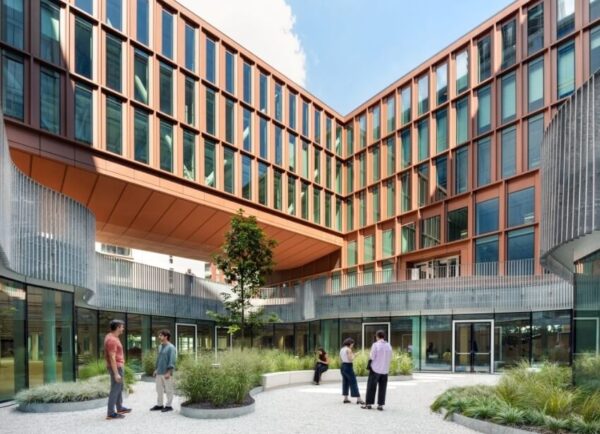
Pirelli 35 Office Building by Park and Snøhetta
3. Holcim Awards for Sustainable Construction
The Holcim Awards for Sustainable Construction are the world’s leading competition for sustainable design. Established in 2005, the program recognizes innovative projects that advance low-carbon construction, circular design, and community-driven planning. The awards run across five regions with regional winners competing for global honors.
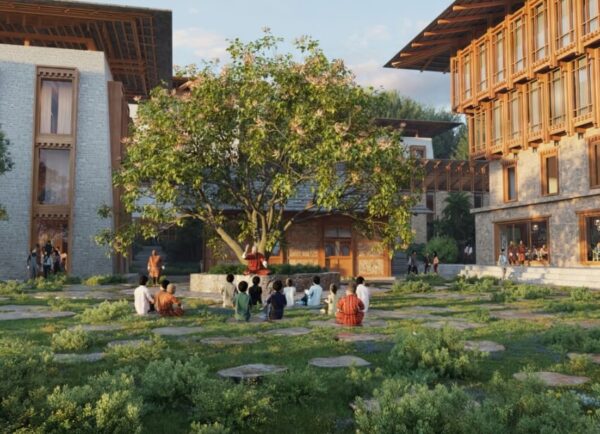
Gelephu Mindfulness City by Bjarke Ingels Group (Credits Holcim Foundation Awards)
The 2025 edition marked the award’s return after a short hiatus, drawing over a thousand entries worldwide. Among the standout winners was Bjarke Ingels Group’s “Mindfulness City” masterplan in Bhutan, celebrated for its integration of nature, wellbeing, and sustainable infrastructure. Other regional winners included flood-resilient schools in Brazil and heritage regeneration projects in the Middle East.
Held in Venice, the 2025 ceremony underscored the awards’ mission: to showcase how architecture can meaningfully address climate, equity, and urban resilience.
How to Select the Right Award
Choosing the right competition to enter can be as strategic as designing the project itself. Each award has its own focus, eligibility rules, and prestige level. So, aligning your entry with the right program can make all the difference.
Below, we’ve left some tips for choosing the best-fit design awards for you:
- Match your project to the award’s focus: Start by identifying what defines your project and find awards that emphasize that strength. For example, a local building might fare better in a national program like the RIBA Awards, while a highly sustainable project could stand out at the Holcim Awards. If you’ve designed a high rise building then AMP may be the best fit.
- Consider geography and eligibility: Some competitions like AMP are open globally. Others, such as RIBA, are limited to specific countries. The Holcim Awards use a regional model, so your work first competes within its continent before advancing globally.
- Assess the scale of competition and category fit: Broad, single-winner programs like the Stirling Prize or Holcim Gold Award are highly competitive. On the other hand, awards with multiple subcategories like AMP improve your chances of recognition. Target categories that precisely describe your project.
- Understand the benefits of winning: Some awards focus on prestige, others on publicity. For example, the Dezeen Awards and AMP highlight winners through their vast online platforms, ensuring strong media coverage. If your goal is international visibility or new clients, awards with built-in editorial promotion are ideal.
- Balance effort and cost: Every entry takes time and money, so focus on quality submissions. Track annual deadlines and prepare materials early so you can tailor each entry efficiently.
Ultimately, the best strategy is to study past winners and ask whether their work aligns with yours. Entering multiple programs can also highlight different facets of a project. Many successful buildings collect several awards in a single year. Even if you don’t win immediately, persistence pays off. With the right match between your project and the award’s mission, recognition often follows.
Conclusion
The 2026 best building design awards season continues to prove that design remains both inventive and deeply human.From the global scope of the Architecture MasterPrize to the prestige of the RIBA Stirling Prize, and the sustainability focus of the Holcim Awards, each program reflected how innovation, context, and compassion define excellence today.
For architects, winning is a milestone, but the true impact of awards lies in how they advance the profession. They inspire dialogue, set new standards, and celebrate design that responds meaningfully to people and the planet, shaping the future of architecture worldwide.