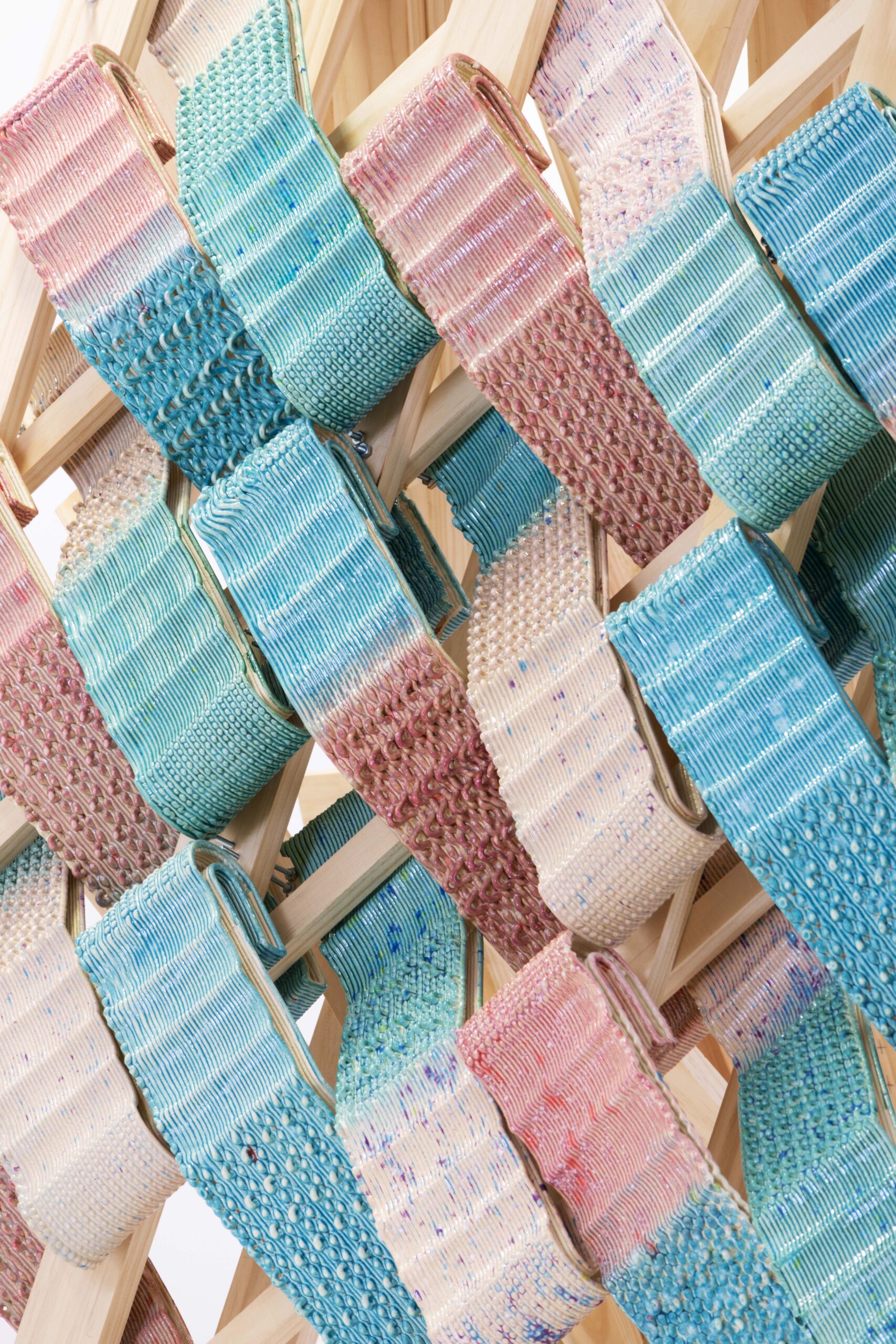
CeraShingle by Studio WE and the future of ceramic architecture
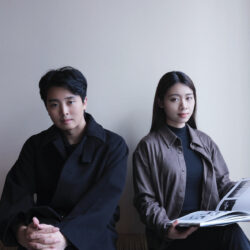
AMP Product Award 2025 Winner in the Building Envelope & Construction Materials category, CeraShingle by Studio WE in Los Angeles is a product innovation that explores how 3D-printed ceramic components can redefine contemporary building systems through digital fabrication and material research.
Developed as a modular ceramic system, it produces varied textures, gradient surfaces, and dynamic visual effects while maintaining scalability for real-world construction applications. Lead Designer Yutao Chen provides insight into the development process, material strategy, and design thinking behind the project.
Could you share some background about yourself or your practice?
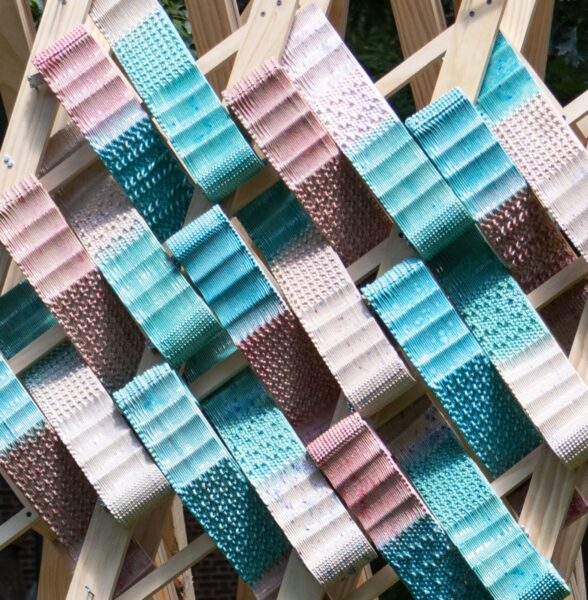
Yutao Chen: Studio WE is a design studio founded by Yutao Chen and Yiwen Gu, focusing on architectural products, material systems, and digitally fabricated building components. The studio works on translating advanced computational design and robotic fabrication into scalable, production-ready architectural solutions. Our practice emphasizes material innovation, system thinking, and real-world constructability.
What was the brief for the award-winning CeraShingle?
Yutao Chen: The brief was to develop a ceramic system that could be manufactured at scale while offering a higher level of formal variation, surface depth, and material expression than conventional ceramic cladding. CeraShingle was designed as a product system that balances architectural performance, fabrication efficiency, and aesthetic flexibility for real-world building applications.
Please describe your design process and how you approached CeraShingle.
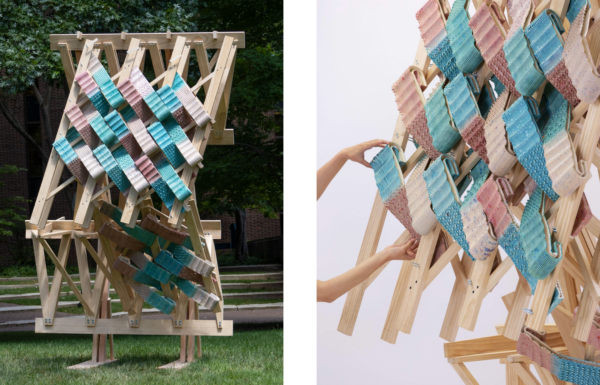
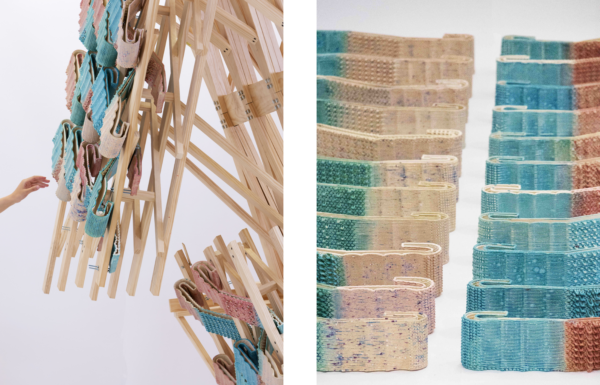
Yutao Chen: The design process integrated parametric modeling, material testing, and robotic 3D printing from the outset. Each shingle was developed as a standardized yet customizable unit, allowing variation through controlled geometry, texture, and color gradients. Digital simulations were continuously tested against physical prototypes to ensure consistency, repeatability, and compatibility with large-scale production and assembly.
What were the main challenges during CeraShingle, and how did you resolve them?
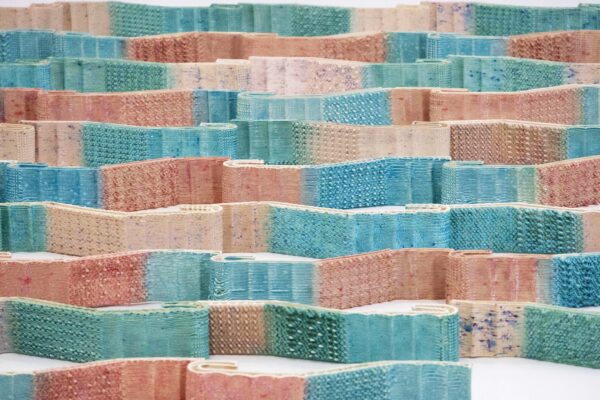
Yutao Chen: One of the main challenges was balancing geometric complexity with fabrication reliability. Highly articulated surfaces often conflict with material stability during printing and firing. This was resolved by developing controlled gradient transitions, layered print strategies, and modular overlaps that maintain structural integrity while preserving formal richness. Iterative prototyping played a critical role in aligning digital intent with material behavior.
What do you consider the most distinctive or innovative aspect of CeraShingle?
Yutao Chen: The most distinctive aspect of CeraShingle lies in its integration of computation, material logic, and robotic fabrication into a cohesive system. Rather than treating ornament and performance separately, the system embeds texture, color gradients, and spatial depth directly into the manufacturing process, producing a woven surface that changes with light, perspective, and assembly conditions.
Which outcomes of the award-winning project are you most proud of, and why?
Yutao Chen: We are most proud that CeraShingle demonstrates a clear pathway from digital design to scalable production. The project shows how advanced fabrication technologies can support commercially viable building products that expand design freedom while meeting the practical demands of durability, repeatability, and construction workflows.
What inspires your work, and who or what has had the strongest influence on your approach within your discipline?
Yutao Chen: Our work is inspired by the intersection of architecture, material systems, and contemporary fabrication technologies. We are particularly influenced by practices that treat materials as active design systems shaped by production logic. Historical craft traditions combined with computational tools and industrial processes strongly inform our approach. We focus on how geometry, material behavior, and manufacturing constraints can work together to generate expression that is both performative and buildable.
What does receiving an Architecture MasterPrize mean to you, and how do you see it influencing your future work or practice?
Yutao Chen: Receiving an Architecture MasterPrize is a meaningful recognition of our commitment to developing design solutions that bridge experimental thinking and real-world application. It reinforces our belief that architectural innovation should be both conceptually strong and practically viable. The award encourages us to further expand our work in architectural product design and scalable material systems, and it strengthens our confidence in pursuing projects that bring advanced fabrication technologies into everyday architectural practice.
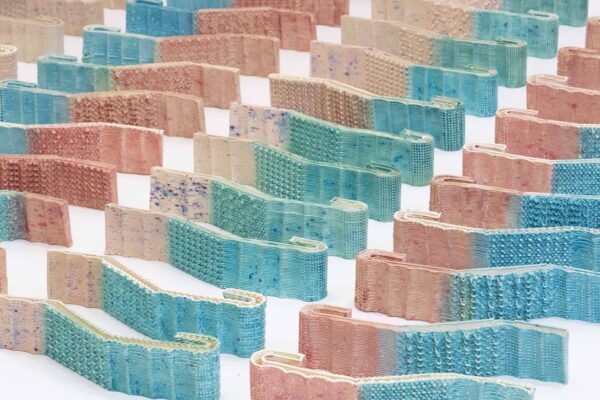
We thank Yutao Chen, Lead Designer at Studio WE, for sharing the story behind CeraShingle, a product that advances ceramic construction systems through digital fabrication and material experimentation. The project demonstrates how robotic production and 3D printing can redefine contemporary building materials with precision, scalability, and expressive surface quality.