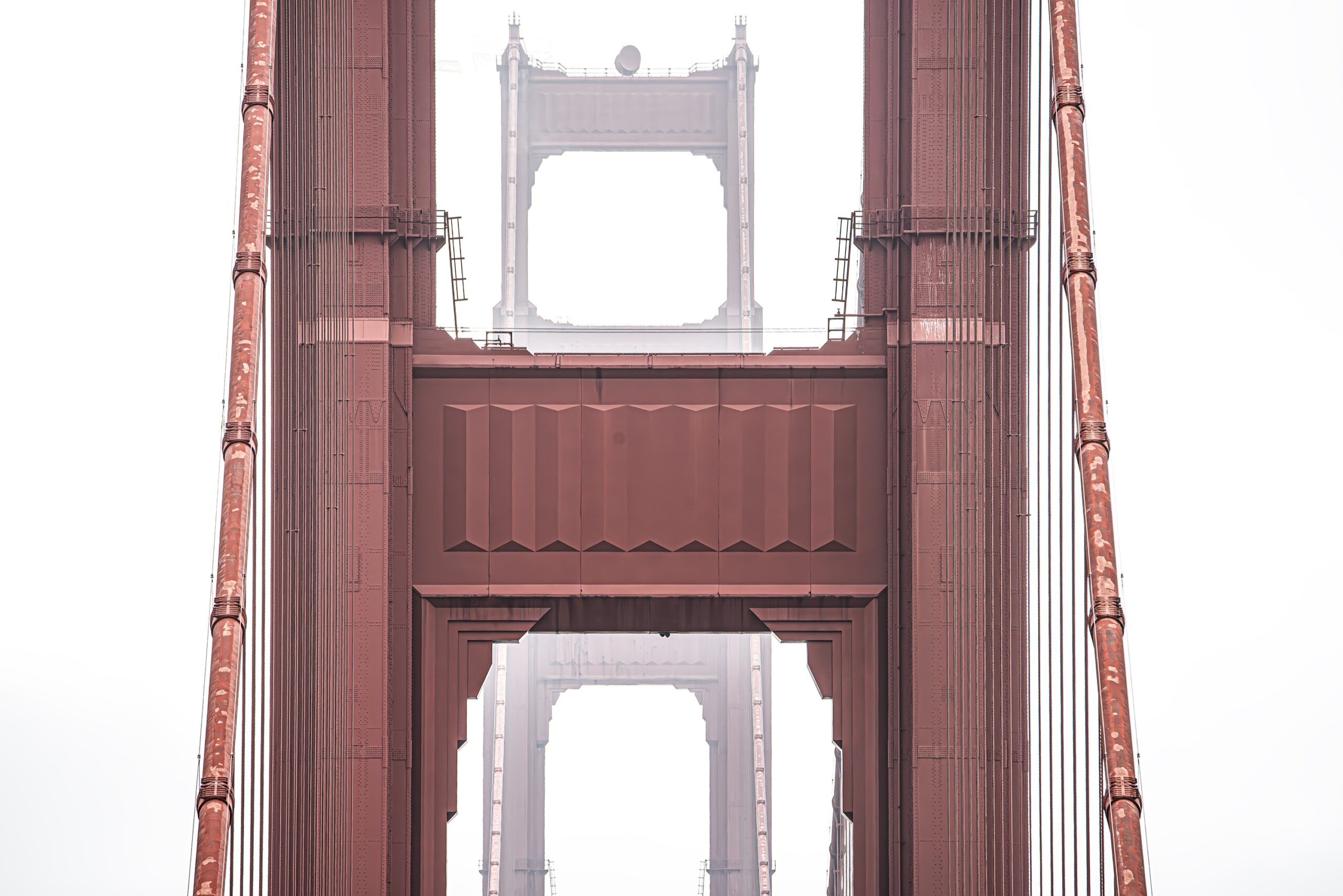
Bridges Where Journeys Meet by Ramin Barzegar
Architecture Photography MasterPrize 2025 Winner in Exterior Architecture Photography, Bridges: Where Journeys Meet by Ramin Barzegar (MR Advertising Inc.) presents bridges as powerful expressions of connection, vision, and human intent across global landscapes. Through architectural photography, the series captures bridges as structures that transform separation into continuity, revealing rhythm, scale, and emotion within engineered forms.
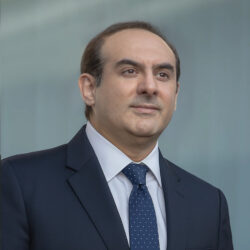
Photographer Ramin Barzegar shares insight into the concept, creative approach, and visual narrative behind the award-winning series.
Could you share some background about yourself or your practice?
Ramin Barzegar: My background is rooted in a long-term engagement with visual storytelling, shaped by years of working across photography and filmmaking. I studied industrial design, a foundation that trained my eye to think through function, form, and the relationship between objects and the human body. This perspective continues to inform my photography, where architecture, landscapes, and everyday life are approached through human experience rather than abstraction.
Over time, my work has evolved into a visual dialogue between people, place, and structure. Traveling extensively for photography and film projects across five continents has deepened this outlook, allowing me to observe how culture, light, and human presence transform space. My practice is driven by an artistic approach—one that prioritizes perception, atmosphere, and emotional connection over documentation alone.
What was the brief for the award-winning Bridges: Where Journeys Meet?
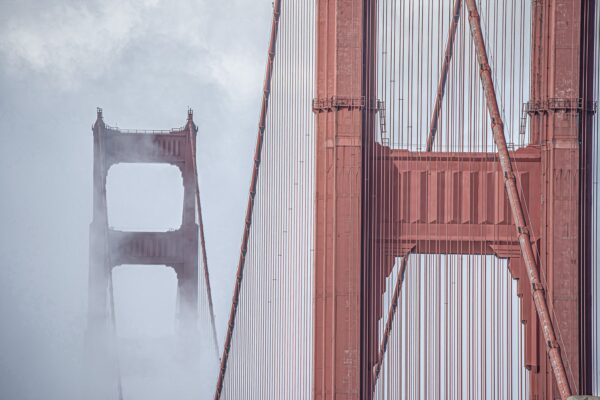
Ramin Barzegar: Bridges transcend their structural function to become expressions of human vision, precision, and resolve. They transform division into continuity, uniting landscapes through carefully engineered form and purpose. In my architectural photography, I explore bridges and buildings as a shared language of balance, rhythm, and endurance. Through light, scale, and spatial context, these structures reveal how design embodies cultural identity and reflects humanity’s enduring pursuit of connection, progress, and lasting presence.
Please describe your design process and how you approached Bridges: Where Journeys Meet.
Ramin Barzegar: The process is intuitive yet deliberate. I return to locations at different times of day, often waiting for the moment when light, atmosphere, and human presence align. Composition is guided by rhythm, scale, and continuity, frequently leading me toward panoramic formats that reflect the true spatial experience of these structures. Through this process, the bridge becomes not only a feat of engineering, but a visual narrative of connection, movement, and human intention.
What were the main challenges during the project, and how did you resolve them?
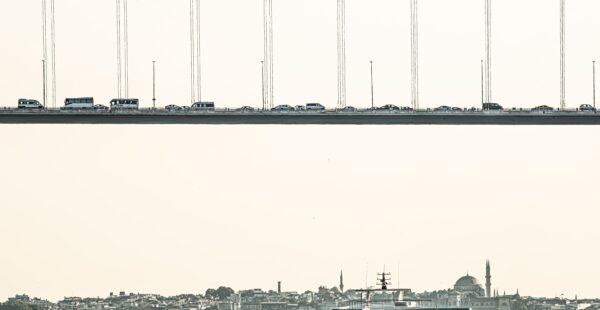
Ramin Barzegar: Finding the right vantage point was the first and most essential challenge, as each bridge reveals its character from only a few precise perspectives. Beyond that, balancing monumental scale with human presence required patience in changing light, weather, and movement. I resolved this by returning to locations, observing their rhythms, and allowing time and atmosphere to shape each image rather than forcing a predetermined outcome.
What do you consider the most distinctive or innovative aspect of the project?
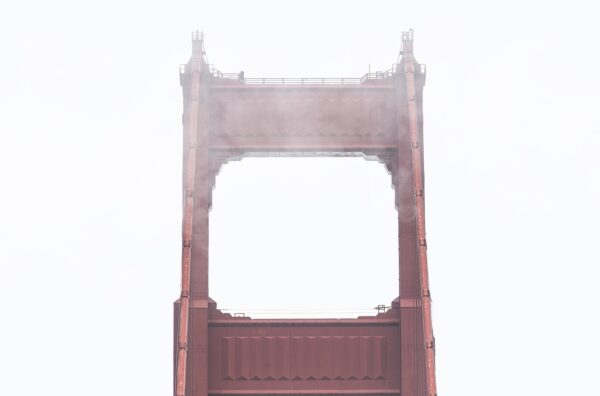
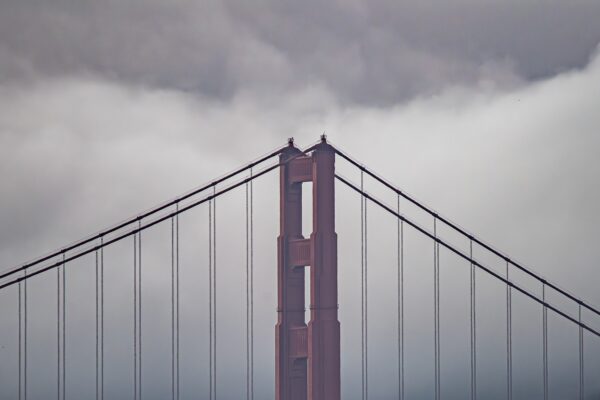
Ramin Barzegar: The most distinctive aspect of this project is its conceptual approach to bridges as spaces of transition rather than purely functional structures. By isolating form, repetition, scale, and emptiness, the images transform each bridge into an abstract experience—where structure becomes rhythm, and connection becomes a visual metaphor.
Which outcomes of the project are you most proud of, and why?
Ramin Barzegar: I am most proud of how the project invites viewers to pause and reconsider familiar structures. By removing the obvious narrative and focusing on form, scale, and repetition, the images create space for contemplation, allowing each bridge to be experienced not as an object, but as an idea.
What inspires your work, and who or what has had the strongest influence on your approach within your discipline?
Ramin Barzegar: My work is inspired by the quiet dialogue between structure and human presence. Architecture, in its essence, carries traces of movement, memory, and intention, even when no one is visible. Growing up with a background in industrial design shaped the way I observe form, proportion, and function, but it was travel, lived experience, and time spent within different cultures that refined my artistic vision.
Rather than being influenced by a single figure, my approach has been shaped by spaces themselves—by cities, bridges, and the silent moments in between, where architecture reveals its emotional and symbolic layers.
What does receiving the Architecture Photography MasterPrize mean to you, and how do you see it influencing your future work or practice?
Ramin Barzegar: Receiving the Architecture MasterPrize is a meaningful recognition of a long-term artistic journey shaped by observation, travel, and deep engagement with architecture as a living presence. It affirms my belief that architectural photography can move beyond documentation and become a medium for interpretation and reflection.
This recognition encourages me to continue exploring architecture as a bridge between structure and human experience, and to pursue future projects with greater conceptual depth, freedom, and responsibility toward the stories embedded within built environments.
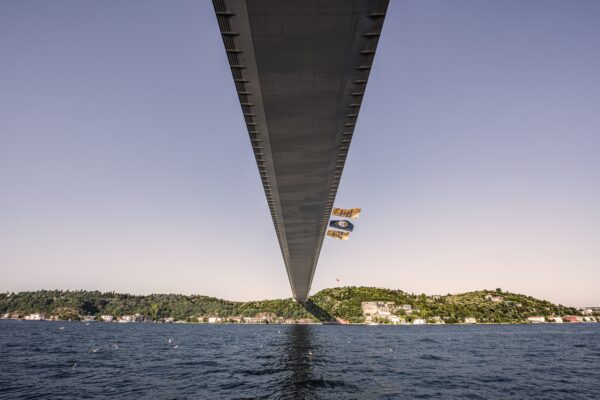
We thank Ramin Barzegar for sharing the story behind Bridges: Where Journeys Meet, a photographic series that transforms bridges into visual narratives of connection, scale, and human vision. The work demonstrates how architectural photography can move beyond documentation, offering a reflective interpretation of structures that shape movement, identity, and experience across landscapes.