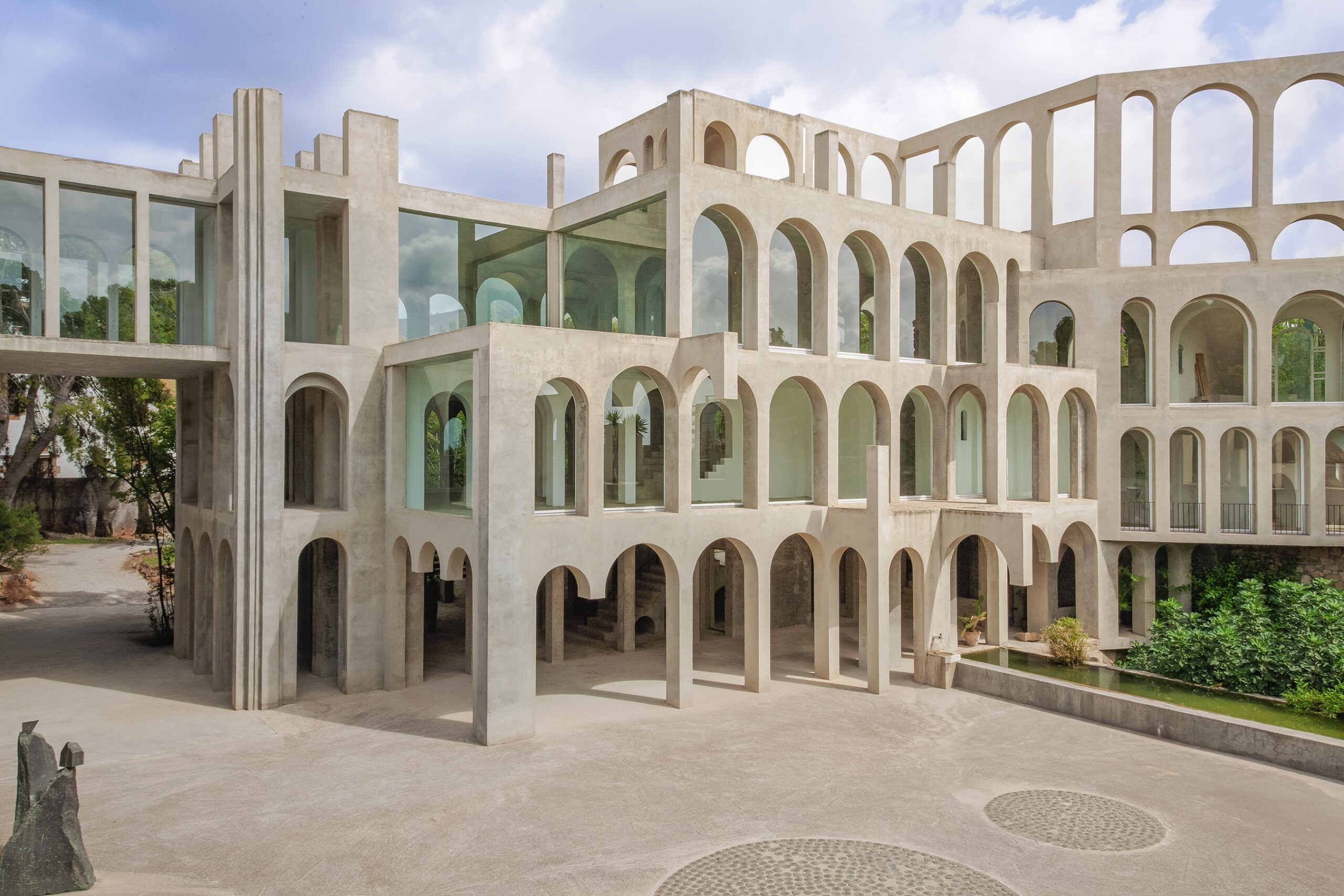
Daniel Holfeld Captures the Poetics of Home in Xavier Corberó’s Iconic Residence
Light, Shadow, and the Poetics of Home has received the Architecture MasterPrize in the Residential Exterior photography category for its evocative interpretation of Xavier Corberó’s iconic residence near Barcelona. Photographed Daniel Holfeld of Daniel Holfeld Photography, the award-winning series explores architecture through abstraction, light, and atmosphere. We spoke with Daniel Holfeld to gain deeper insight into his creative process, architectural philosophy, and the ideas behind this remarkable photographic work.
Could you share some background about yourself or your practice?
Daniel Holfeld: Daniel Holfeld approaches architecture not simply as built form, but as a carrier of ideology, an active force in shaping perception, memory, and human experience. Through abstraction, framing, and an acute sensitivity to light, his practice resists the conventions of architectural photography, inviting viewers to unlearn inherited modes of seeing in favor of a more emotive, interpretive gaze.
By transforming architectural surfaces into painterly compositions, I seek to challenge notions of permanence and authority within the built environment, opening space for individual agency and reinterpretation. Born in Dublin in 1984 and trained at DIT Dublin, my early career in fashion and commercial photography helped shape the visual language that now defines my artistic practice.
My work has been exhibited internationally and recognized by institutions including RIBA, UCD, and the RHA. Recent projects, including The Space Between, Conveying Space and my editorial work on Contemporary Morocco: Building a New Vernacular Architecture, continue my exploration of architecture as both cultural expression and symbolic terrain.
What was the brief for the award-winning project Light, Shadow, and the Poetics of Home?
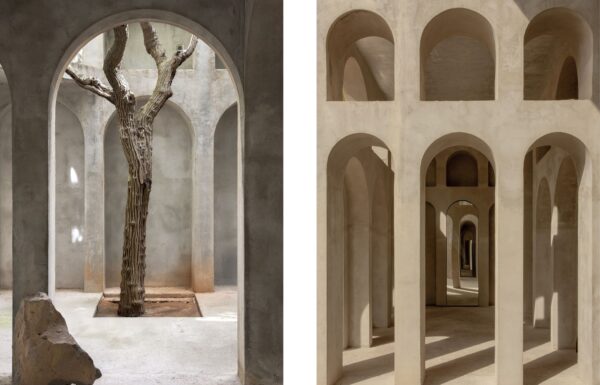
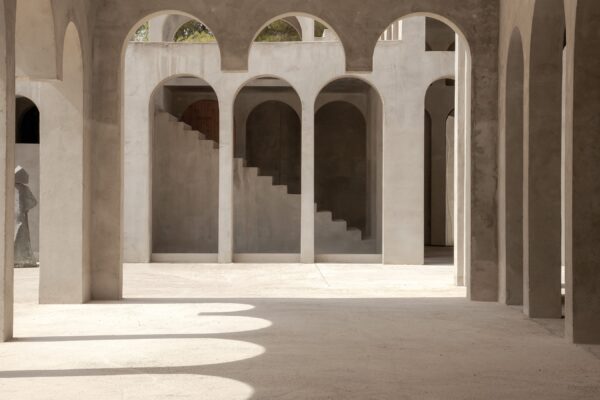
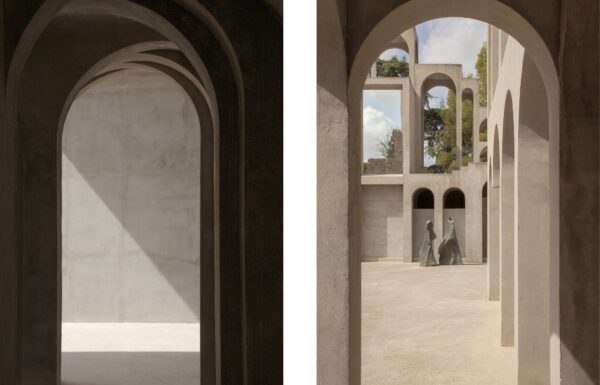
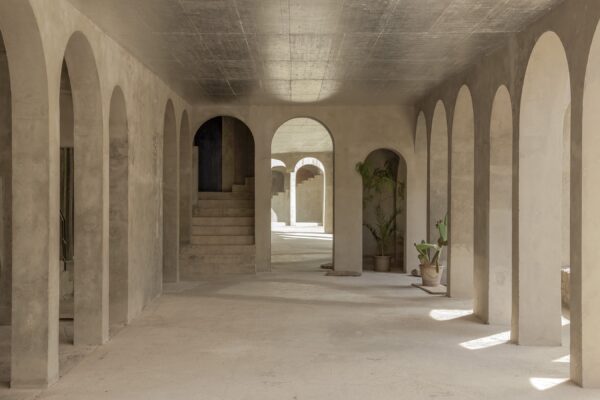
Daniel Holfeld: This series extends my ongoing investigation into architecture as an ideological and emotional construct rather than a static object. What drew me to Xavier Corberó’s residence was not only its radical reimagining of the home as a living sculpture, but the way its stylized stairs and recurring arches suggest movement, passage, and ascent, an architectural journey toward the sublime.
My fascination with arches comes from a broader interest in architectural thresholds. Whether sacred or domestic, ancient or contemporary, arches have long symbolized transition and transformation. In Corberó’s residence, these thresholds become expressions of optimism and the human desire to transcend everyday life. Through photography, the architecture becomes both subject and metaphor, creating a dialogue between two artists.
Could you walk us through your design process and how you approached the project?
Daniel Holfeld: My process is rooted in intuition and immediacy, prioritizing first encounters over preconception. I intentionally avoid imposing narratives, allowing the space itself to guide me through the lens.
Architecture activates the body and senses the moment you arrive. I work quickly, responding to light, rhythm, and spatial tension while trusting my first impressions. Many of my strongest images are created within the first few hours of entering a building, before familiarity changes the experience. This approach preserves a heightened awareness and allows fleeting moments to become photographs that feel both intimate and open to interpretation.
What were the main challenges during the project, and how did you resolve them?
Daniel Holfeld: The greatest challenge is always time. Whether I have a full day, a morning, or only an hour inside a building, those limitations shape my response to the architecture.
To adapt, I work with two cameras simultaneously, one fitted with a tilt-shift lens for precision and another with a zoom lens for instinctive compositions. This setup allows me to move effortlessly between deliberate observation and spontaneous image-making while preserving the immediacy of my first impressions.
What do you consider the most distinctive or innovative aspect of the project?
Daniel Holfeld: The most innovative aspect lies not in the concrete structure or labyrinthine composition of Xavier Corberó’s residence itself, but in Corberó’s extraordinary vision of what a home can become. His architecture transforms domestic space into a living experience that elevates both the mind and the spirit.
Which outcomes of the project are you most proud of, and why?
Daniel Holfeld: I am particularly proud that this series offers an abstract interpretation of a residence that has already been extensively photographed. By focusing on the recurring arches, I present a perspective that emphasizes the building’s transformational qualities, its ability to evoke movement, reflection, and transcendence.
For me, this captures the most human aspect of the architecture: its power to inspire optimism and guide us toward something beyond everyday experience.
What inspires your work, and who or what has had the strongest influence on your approach within your discipline?
Daniel Holfeld: I am deeply inspired by architects whose thinking is as compelling as the buildings they create. The projects that resonate most with me are those where ideas become tangible through architecture.
When architecture embodies a conceptual vision, it moves beyond function or style and becomes a lasting cultural statement. It is this ability to make ideas visible that continues to shape how I photograph and interpret space.
What does receiving an Architecture MasterPrize mean to you, and how do you see it influencing your future work or practice?
Daniel Holfeld: Winning the Architecture MasterPrize for Residential Exterior is a meaningful recognition, one closely connected to Xavier Corberó’s remarkable residence.
Given the abstract nature of my photographic approach, which intentionally moves beyond conventional architectural documentation, the award validates my creative process and confirms that interpretive, instinct-driven photography can resonate within both professional and critical architectural communities.
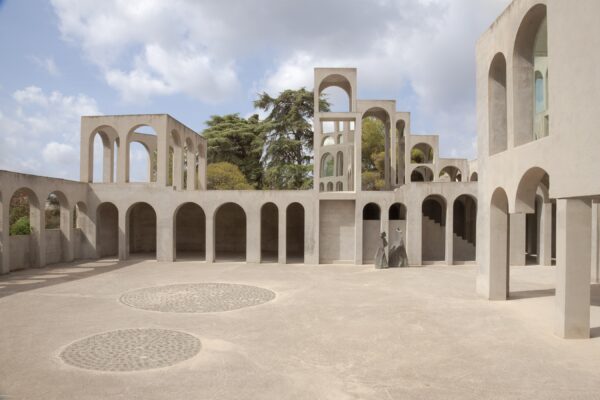
Light, Shadow, and the Poetics of Home showcases how architectural photography can move beyond documentation to become a deeply personal artistic interpretation. Through abstraction, light, and careful composition, Daniel Holfeld reveals new ways of experiencing Xavier Corberó’s iconic residence, inviting viewers to see architecture as memory, metaphor, and emotion. We thank Daniel Holfeld for sharing the inspiration and creative philosophy behind this Architecture MasterPrize-winning project.