94 Café by MNI Studio: Sustainable Café Architecture
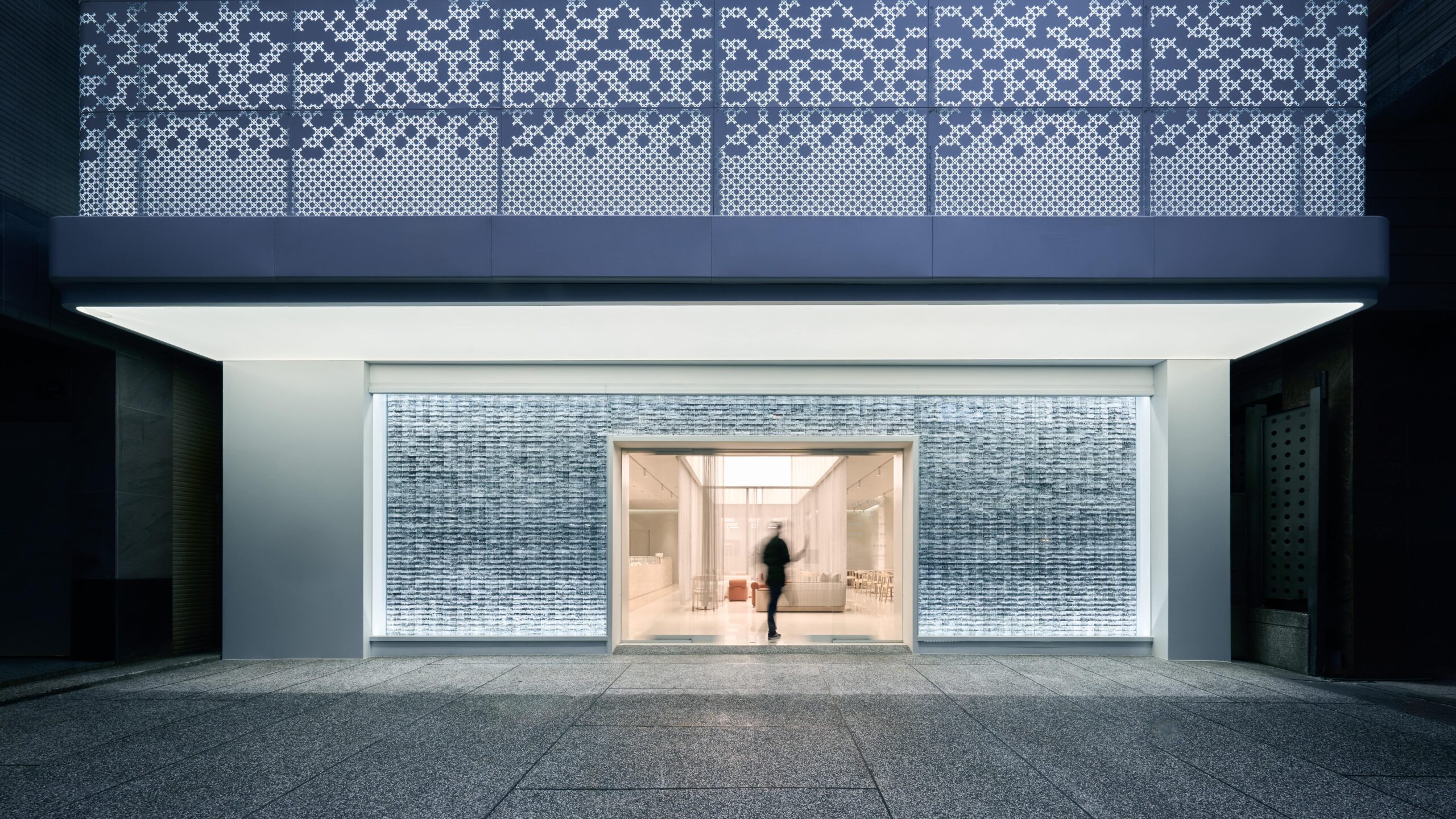
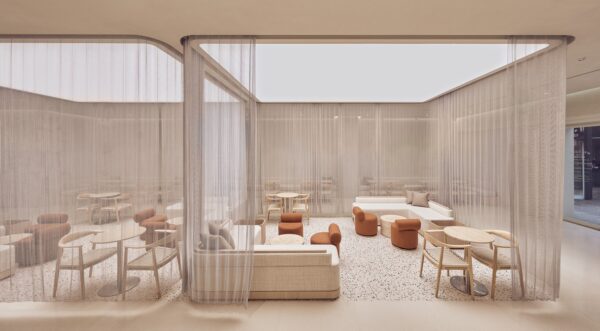
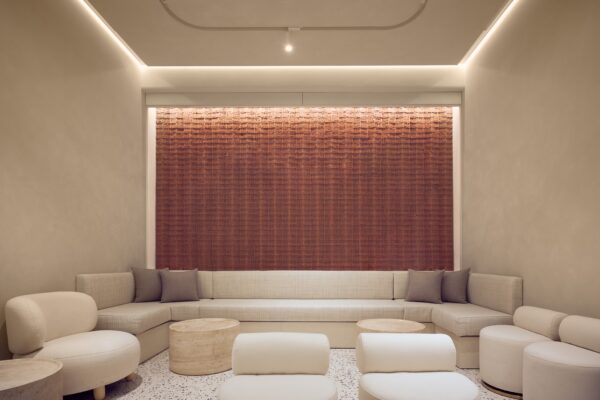
Architecture MasterPrize winner in the Commercial Interior category, Rooted Renewal: 94 Café by MNI Studio in Kaohsiung redefines sustainable commercial design through recycled materials, cultural memory, and spatial restraint. The project transforms 12,000 reclaimed roof tiles and other urban materials into a contemporary café environment, where heritage elements and modern spatial strategies coexist to create a warm, meaningful interior experience.
Lead Architect, Ken Chen shares insights into the concept, design process, and architectural thinking behind Rooted Renewal: 94 Café.
Could you share some background about yourself or your practice?
Ken Chen: Hi, my name is Ken, I am from Singapore and also founder for MNI studio. I will start with sharing a little about myself and….. how MNI Studio came to be. I have been inspired to be a designer for as long as I can remember. I still remember the days of my mom bringing my sister and myself to the neigbourhood library, where my sis and me will spend hours and hours flipping through the architecture and interior books. And we will often find ourselves, arguing with each other on our design tastes.
Looking back now , those moments really spark my life passion for designs regards of graphics, buildings and everything in life. In 2021, I moved to Taiwan and I founded MNI Studio. I started this firm, with the core value of providing professional services on branding, architectural and interiors to our clients.
What was the brief for the award-winning project?
Ken Chen: The client approached us to help create their new flagship café. Their intention and goal for the café is to bring together a fusion of Taiwanese and French desserts while offering coffee brewed from Taiwanese Alishan Arabica beans. The task given to us was a full package, from designing the brand guidebook all the way to packaging, interior, and architectural design.
Please describe your design process and how you approached 94 Flagship Café.
Ken Chen: We started the design process by creating the brand guideline, where we start defining the brand character, values, and identity clearly and strategically before moving into the interior and architectural phases. The brand guideline later would actually also help us to set the cornerstone for many design decisions throughout the project, such as materials choosing , color palate, and ambience mood for the interior spaces. we will always try to ensure the space and façade always links back to the brand itself.
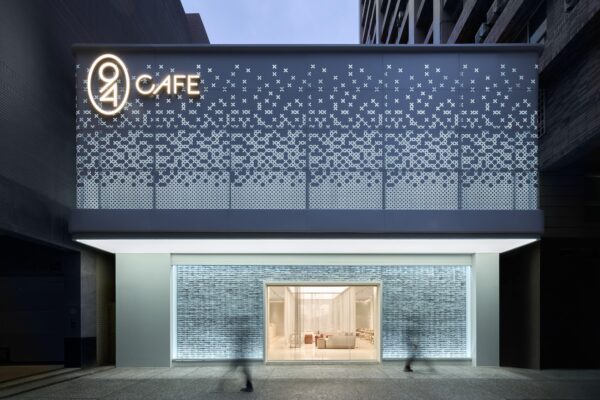
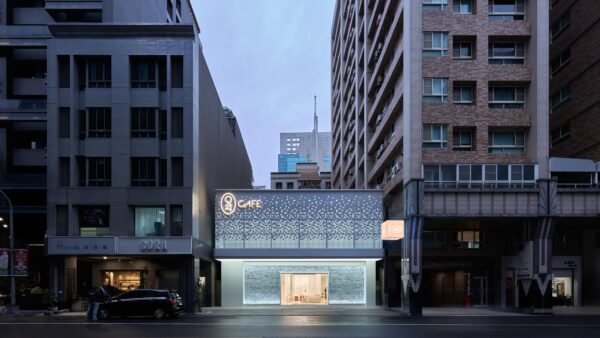
One example is the perforated panels at the façade, where we developed from the monogram that we have created for the brand, transferring that monogram into an architectural expression as well.
What were the main challenges during 94 Flagship Café, and how did you resolve them?
Ken Chen: One of the key challenges we faced was the building’s positioning. The building itself sits between two tall residential structures, resulting in a lack of daylight and natural ventilation. On top of that, many of the existing services did not function properly, requiring us to redesign the entire Mechanical & Electrical (M&E) services from the ground up.
Construction works began in mid-2024, and unfortunately, Taiwan was severely impacted by multiple earthquakes and typhoons occurring back-to-back during that period. These natural events caused delays to our timeline, but at the same time challenged us to re-evaluate and strengthen the structural integrity of the building. To resolve these issues, we actually worked very closely with the structural engineers to reinforce building key structural elements, reviewing the overall load and performance, all to improve overall resilience, and ensuring the building is better equipped to withstand future earthquakes and typhoons.
What do you consider the most distinctive or innovative aspect of 94 Café?
Ken Chen: The most distinctive aspect of this project lies in how we integrate Kaohsiung’s history into the space in an authentic, unforced way, using what already existed and allowing the city’s warm, human interactions to naturally emerge through our design.
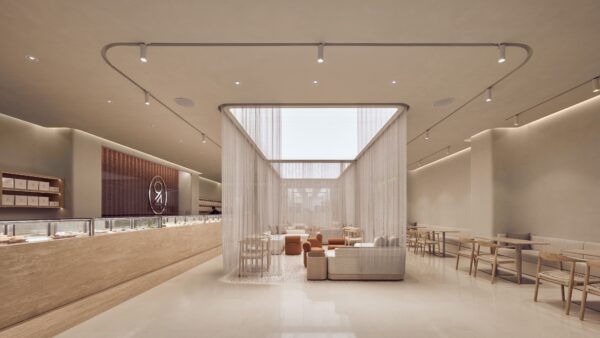
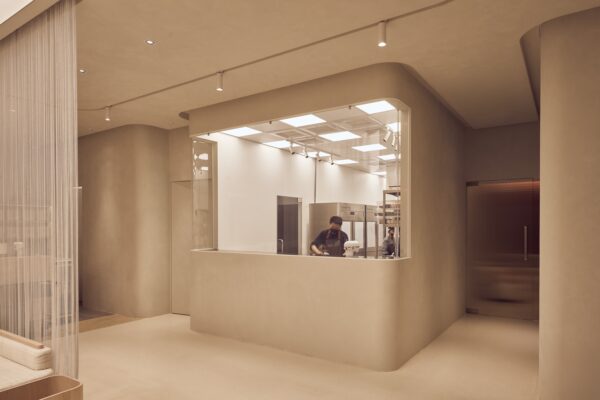
A key feature is the shopfront. In collaboration with local residents, we collected approximately 12,000 roof tiles that had been discarded during the city’s upgrades. These tiles carry both history and memory, reflecting a specific era of Kaohsiung, and we reintegrated them into the design to honor the city’s architectural heritage..A centerpiece of the interior is a 17-meter-long dessert showcase featuring 80 French desserts by the client talented desserts chefs. The long showcase was designed to create both a visual delight and a sense of discovery for visitors.
Which outcomes of 94 Café are you most proud of, and why?
Ken Chen: One outcome I’m particularly proud of is how warmly the project has been received by the local community. Visitors often share that they feel a genuine connection with the space and a sense of the city’s heritage. Many have expressed appreciation for our effort to recycle discarded materials from urban upgrades, recognizing the project as a meaningful reminisce of the city history and culture.
What inspires your work, and who or what has had the strongest influence on your approach within your discipline?
Ken Chen: I have always been inspired by the works of Masamichi Katayama from Wonderwall. Katayama’s projects have shown me how retail and commercial spaces can be transformed into immersive experiences, where every space can tells a story and engages visitors beyond just the functional purpose of the space.
What does receiving an Architecture MasterPrize mean to you, and how do you see it influencing your future work or practice?
Ken Chen: Receiving the award has been a tremendous honor, and I’m truly grateful for the recognition. It reminds me to stay humble and keep learning, no matter how much experience I gain. At the same time, it inspires me to keep pushing the boundaries in my future work.
We thank Ken Chen, Lead Architect at MNI Studio, for sharing the story behind Rooted Renewal: 94 Café, a project that transforms recycled materials into a meaningful spatial experience. The project demonstrates how commercial interiors can preserve cultural memory while delivering sustainable, human-centered design in Kaohsiung, Taiwan.