Los Angeles
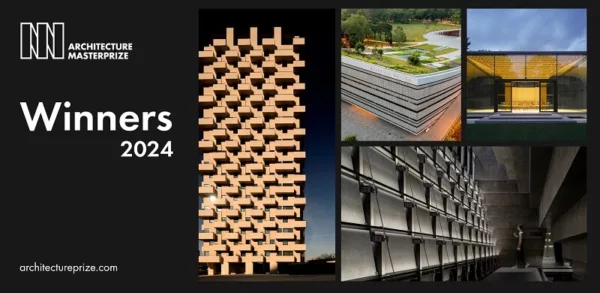
The Architecture MasterPrize (AMP) is proud to announce the winners of its 2024 edition, honoring visionary projects that are redefining the built environment across a broad range of disciplines.
This year’s AMP celebrates exceptional projects from around the globe, confidently showcasing architectural works from both renowned figures and emerging talents, including Renzo Piano Building Workshop, Tadao Ando, SOM (Skidmore, Owings & Merrill), KieranTimberlake, Sir Terry Farrell, and many others. Following an extensive evaluation process, the 2024 winners have distinguished themselves as leaders in the field, earning well-deserved international attention.
The awarded projects span a diverse array of categories, each making a profound impact on the trajectory of modern architecture and shaping the future of the industry. Notably, this year’s highly celebrated Architectural Design of the Year title was awarded to a project that masterfully transformed a historic museum into a dynamic, state-of-the-art university, breathing new life into a cherished landmark. This transformation reinforces the power of architecture to inspire meaningful change, blending heritage with forward-thinking design.
In a historic moment, the Social Impact Project of the Year award was introduced for the first time in AMP’s history. It was presented to a social housing project in Spain, praised for its immense social value and transformative impact on the local community, serving as an exemplary model for low-cost housing.
AMP is also proud to name James Corner as the 2024 Landscape Firm of the Year, recognizing his visionary approach to urban spaces. His innovative work continues to shape major cities, offering solutions to environmental challenges while enhancing the human experience.
The AMP remains committed to its mission to highlight exceptional projects across all architectural disciplines, celebrating both established icons and rising talents. This year’s winners stand as exemplars of creativity and technical brilliance, showcasing the vital role that architecture plays in shaping the world.
The 2024 Architecture MasterPrize Awards Winners Include:
- Architectural Design of the Year:
Johns Hopkins University Bloomberg Center by Rockwell Group (USA) - Interior Design of the Year:
Nobu by Cuaik CDS (Mexico) - Social Impact Project of the Year:
54 Social Housing in Inca, Mallorca, Balearic Islands by Fortuny-Alventosa, Morell Arquitectes (F-AM Arquitectes) (Spain) - Landscape Architecture of the Year:
Qin Lake Park: From Culture to Nature by Grasp Earth Architecture & Landscape Design Co., Ltd. (China) - Architecture Firm of the Year:
Dominique Coulon & Associés (France) - Interior Design Firm of the Year:
Omar Gandhi Architects (Canada) - Landscape Architecture Firm of the Year:
James Corner Field Operations (USA) - Product Design of the Year:
MykoFoam by Mykor (UK) - Exterior Architecture Photographer of the Year:
Albrecht Voss (Germany) - Interior Architecture Photographer of the Year:
Franco Casaccia (Argentina)
Best of Best Award
In a remarkable display of architectural excellence, a select group of projects—representing the top 5%—has earned the Best of Best title, recognizing their exceptional design and influence on the industry. Notable projects include:
- Small Architecture:
MPavilion 10 by Tadao And - Cultural Architecture:
Istanbul Museum of Modern Art by Renzo Piano Building Workshop – - Educational Buildings:
UCL East Marshgate by Stanton Williams – - Residential Architecture:
Canvas House by PARTISANS – - Cultural Architecture:
The New Museum of Ethnography, Budapest by NAPUR Architect Ltd. – - Hospitality Architecture:
Lakeside Teahouse by Domain Architects - Residential Interior:
The Ravine by A Work of Substance – - and more
The 2024 AMP winners represent the very best in architectural innovation and creativity, solidifying their place among the industry’s leaders.
The awards ceremony will take place at the iconic Guggenheim Museum Bilbao on November 18, 2024, where both the 2023 and 2024 winners will be celebrated. This highly anticipated event promises to continue AMP’s tradition of honoring the groundbreaking achievements of the world’s most talented architects and designers.
For a complete list of the 2024 AMP winners and more information, please visit the official AMP Winners website. The AMP team and jury panel extend their congratulations to all winners and express their deep appreciation to all participants for their outstanding contributions to the field of architecture and design.
About the Architecture MasterPrize (AMP)
The Architecture MasterPrize (AMP) stands as a beacon in the architectural world, honoring exceptional design talent globally. Its mission aligns with the pursuit of sustainability and innovation, making the AMP a platform that not only showcases architectural excellence but also inspires a future where design and sustainability go hand in hand.
architectureprize.com
View and Download Press Kit:
2024 Architecture MasterPrize (AMP) Awards Winners Announced
Last updated: March 12, 2026
2026 promises to be an exciting year for architecture. With new projects redefining how we live and interact with space, architectural awards provide an important platform to celebrate creativity, innovation, and impact.
For architectural firms, awards do more than recognize design excellence. They help build brand credibility, gain global exposure, and also help connect with peers and potential clients. Architectural award categories range from large-scale urban planning to residential projects, interiors, and sustainable design, so there’s something relevant to every practice.
In this guide, we highlight four of the most prestigious architectural awards. For each, you’ll learn about their background, categories, submission details, and how winners gain visibility.
Why You Should Apply for an Award
Winning or even being shortlisted for an award can open many doors for your firm. Some of the key benefits include:
1. Enhanced credibility: An award signals to clients, partners, and peers that your work meets international (or local) standards of excellence. You’re obviously being recognized as one of the best, and winning an award communicates that to potential clients.
2. Increased visibility: Winners often receive press coverage in top architecture and design outlets, helping your work reach a global audience. For example, winners of AMP’s awards get mentioned in publications like rchDaily, Bustler, Interior Daily, Dexigner and Archinect.
3. Stronger client trust: Potential clients see award recognition as proof that your designs deliver quality and innovation. You’re not the only one claiming that you provide great work. Someone else is too.
4. Marketing advantage: Awards strengthen your portfolio, making your proposals and pitches stand out.
5. Networking opportunities: Ceremonies and festivals allow you to connect with fellow architects, developers, and thought leaders. Even governing bodies may attend award events, looking for a long-term partner for their local development projects.
6. Talent attraction: Ambitious architects and designers want to work with award-winning firms, improving your recruitment efforts. Think of young, hungry architects who want to make a name for themselves. They may start knocking on your door.
Best Architectural Awards in 2026
Several awards define the global conversation around architecture. Here’s an overview before we dive into full detail:
| Award | What is it? | Categories | Submission Deadline |
| Pritzker Architecture Prize | World’s most prestigious architecture prize outstanding architectural design | Lifetime achievement | N/A – nomination based |
| Architecture MasterPrize | International award celebrating design excellence | Architecture, Interior Design, Landscape, Product Design | August 31, 2026. 25% discount for entries made prior to February 28, 2026. |
| EUmies Awards | European architectural award celebrating outstanding architectural design | Architecture, Emerging, and Young Talent | Nomination-based. 2026 cycle closed. |
| Aga Khan Award for Architecture | Recognizes architecture serving Muslim communities | Various | September 15, 2026 |
1. Pritzker Architecture Prize
Often called the “Nobel Prize of Architecture,” the Pritzker Prize honors a living architect or architects whose built work demonstrates talent, vision, and commitment. Unlike other awards, it recognizes lifetime achievement rather than a single project.
There are no categories, as the prize focuses on overall contribution. Winners join an elite circle, with past laureates including Renzo Piano, Rem Koolhaas, and Anne Lacaton & Jean-Philippe Vassal.
Winners are announced in spring, with a formal ceremony held at a culturally significant site. The 2026 laureate has not yet been announced, with the traditional spring announcement delayed. Check the official website for updates.
The prestige and visibility are unmatched, with global media covering each announcement.
There is no set deadline for this award, as it’s completely nomination based.
2. Architecture MasterPrize
The Architecture MasterPrize (AMP) is one of the most inclusive and widely recognized awards in the industry. It celebrates the best of architecture, interior design, landscape architecture, sustainable designs, architectural product design and more.
Categories are broad, covering projects from single-family homes to large cultural and public spaces. AMP also highlights innovative materials and products that shape how spaces function.
Notable winners include firms like Zaha Hadid Architects, BIG, Tadao Ando, Sou Fujimoto, David Chipperfield, and many more. Projects that win one of AMP’s prizes often gain coverage across international design publications and are also featured on AMP’s website and annual book.
To apply, you’ll need to prepare high-quality images, detailed project descriptions, and supporting documentation (see their full submission requirements here).
Submission is online, with the final deadline on August 31, 2026. Entrants who submit before February 28, 2026 receive a 25% discount on the submission fee.
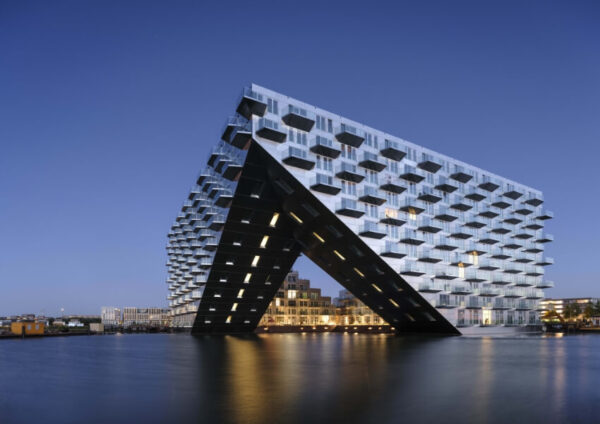
AMP Winner: Sluishuis by Barcode Architects, BIG-Bjarke Ingels Group (BIG), Photo Ossip van Duivenbode
To apply, you’ll need to prepare high-quality images, detailed project descriptions, and supporting documentation (see their full submission requirements here).
Submission is online, with the final deadline on August 31, 2026.
3. EUmies Awards
Formerly known as the Mies van der Rohe Awards, the EUmies 2026 cycle is now in its final stage. The 2026 finalists have been announced, with winners to be revealed on April 16, 2026 in Oulu, European Capital of Culture, followed by the Awards Ceremony on May 11 and 12 at the Mies van der Rohe Pavilion in Barcelona.
The award celebrates outstanding architectural design in Europe, and the ceremony will be held during May 2026 in the world architecture capital, Barcelona. There are two main categories, being Architecture for significant completed architectural works and the Young Talent category.
The 2024 Architecture Prize went to the Study Pavilion at TU Braunschweig by Gustav Düsing and Max Hacke as the Architecture Prize winner, and the Gabriel García Márquez Library in Barcelona by SUMA Arquitectura as the Emerging Architecture Prize winner.
For more information, check out the Eumies Awards website.
4. Aga Khan Award for Architecture
The Aga Khan Award is unique in its focus on architecture that improves quality of life in Muslim communities worldwide. It looks at social, cultural, and environmental impact, not just aesthetics.
Categories vary but often include housing, community facilities, and restoration projects.
Past winners include projects like the Revitalization of Muharraq in Bahrain and Bangladesh’s Arcadia Education Project. Recognition is significant, as projects receive international attention for blending tradition with modernity.
The Aga Khan Award for Architecture is a triennial award, meaning it has three-year cycles prior to the next award ceremony. With 2025 winners being finalized, entries for the next cycle are open and submissions are open until September 15, 2026.
How to Position Your Firm or Work for Award Success
Submitting to awards requires more than good design. To maximize your chances:
1. Craft compelling submissions: Tell the story behind your project. Explain the problem it solves and how it improves lives.
2. Show impact beyond design: Highlight sustainability, community benefit, or cultural contribution.
3. Use visuals effectively: High-quality photography and drawings make your submission memorable, helping your submission stand out and increasing your chances of winning.
4. Plan ahead: Track deadlines and prepare submissions early to avoid last-minute stress, and take advantage of early entry discounts.
5. Leverage recognition: Once shortlisted or awarded, showcase your award throughout your marketing, website, and pitches.
Final Thoughts & Next Steps
Architectural awards are more than recognition; they’re strategic tools to build your firm’s reputation, win new work, and connect with the global community.
Stay updated on deadlines and future opportunities by subscribing to our newsletter. You can also create an account and make your submission directly to the Architecture MasterPrize before the August 31, 2026 deadline.
Architecture firms in Toronto have firmly established the city as a shining example of architectural innovation and design excellence. With its skyline shaped by the creativity and vision of numerous architects, Toronto is home to ten firms that have distinguished themselves by earning the prestigious Architecture MasterPrize (AMP). This award celebrates architectural design and also highlights the significant contributions of these firms to the city’s landscape and beyond. This article explores the accomplishments of these celebrated architecture firms in Toronto, showcasing their influential projects and the impact they have made on urban design.
Architecture Firms in Toronto: Leaders of Design
The AMP recognizes not just the aesthetic appeal of structures but also their functionality, sustainability, and the positive impact they have on urban life. Toronto-based architectural firms, celebrated in this list, exemplify these principles, each bringing a unique vision to the forefront.
1. DON MILLS JAMATKHANA AND ISMAILI COMMUNITY CENTRE
Firm: architects—Alliance
Winner in Conceptual Architecture

Toronto Architectural Design
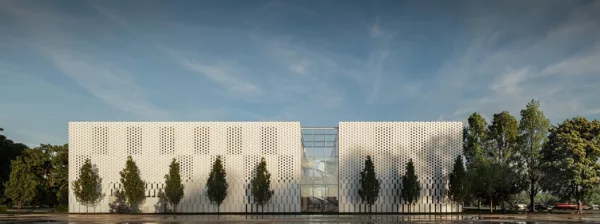
Under the guidance of lead architect Peter Clewes and his design team, architects—Alliance has redefined community spaces with the Don Mills Jamatkhana and Ismaili Community Centre. This project stands as a testament to the firm’s commitment to creating spaces that foster community interaction and spiritual growth. It marks the introduction of the first Ismaili prayer hall in Ontario, a significant milestone reflecting over fifty years of the Ismaili community’s presence in the Greater Toronto Area.
2. BIRDHOUSE
Firm: Superkül
Winner in Residential Architecture – Single Family
Urban Design Firms Toronto
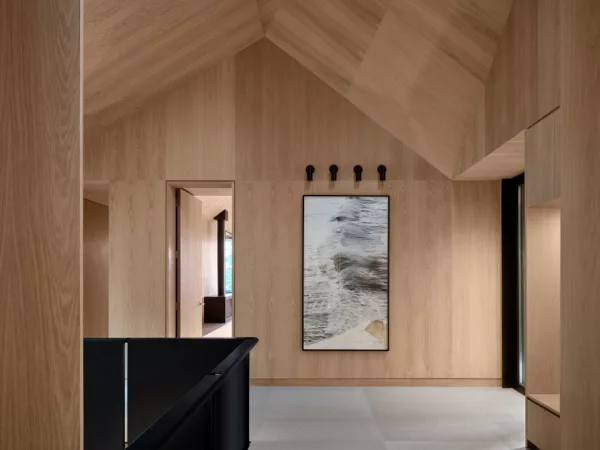
Superkül, led by Meg Graham, takes inspiration from nature for the Birdhouse project, nestled in Apsley, Ontario. This architectural marvel blends seamlessly with its environment, featuring shou sugi ban charred cedar that echoes the tranquility of its surroundings. Birdhouse exemplifies Superkül’s prowess in crafting spaces that offer refuge and connection, emphasizing the firm’s role in elevating urban design through thoughtful integration with nature.
3. OG HOUSE
Firm: Omar Gandhi Architects
Winner in Residential Architecture – Single Family
Contemporary Architecture Toronto
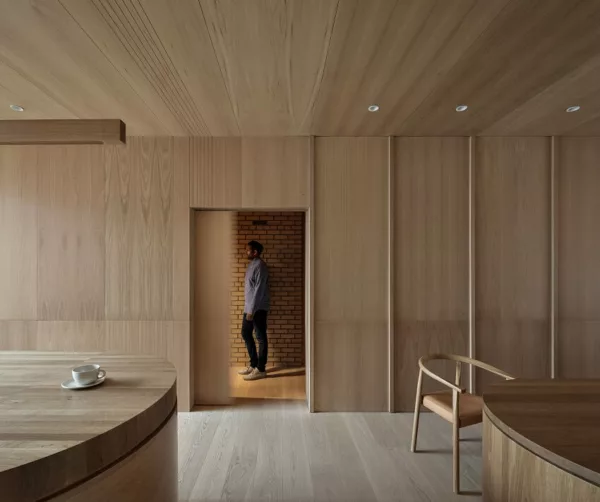
Omar Gandhi Architects, with Omar Gandhi at the helm, has brought to life the OG House, a project that merges contemporary architecture with personal history and community spirit. Located in Halifax’s North End, the residence doubles as a testament to the firm’s ability to blend modern design with functional living spaces, all while contributing positively to the neighborhood’s fabric.
4. DAVID GEFFEN HALL
Firm: Diamond Schmitt
Winner in Cultural Architecture
Toronto Architectural Design
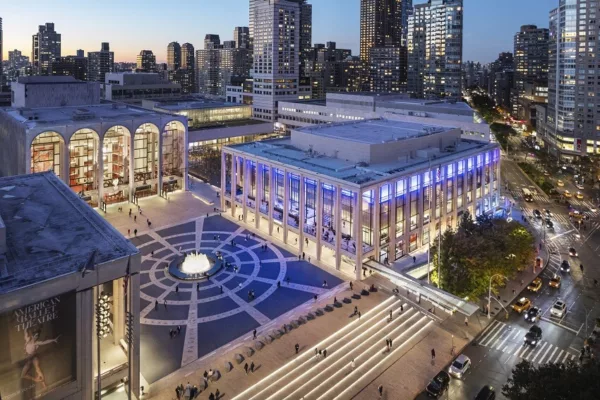
Diamond Schmitt has reimagined the iconic David Geffen Hall at Lincoln Center, New York, infusing it with new life and vibrancy. This renovation project showcases the firm’s innovative approach to public spaces, creating a concert hall that enhances the acoustic experience and connects more deeply with audiences. The project underscores Diamond Schmitt’s expertise in architectural design that respects and revitalizes existing structures.
5. BUNKIE ON THE HILL
Firm: Dubbeldam Inc. Architecture + Design
Winner in Small Architecture
Contemporary Architecture Toronto
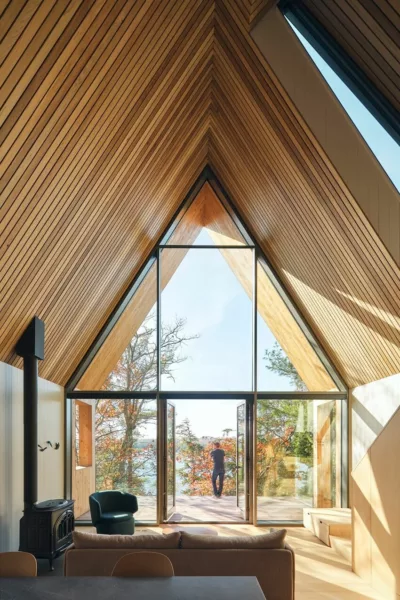
Among architecture firms in Toronto, Dubbeldam Inc. Architecture + Design stands out for its innovative approach to residential spaces, as exemplified by Bunkie on the Hill. This project, located in Muskoka, ON, serves as a contemporary reinterpretation of the traditional A-frame cabin. The design, led by Heather Dubbeldam, utilizes a split roof to introduce natural light and frame views of the natural landscape, proving the firm’s mastery in merging contemporary design with the rustic charm of Canadian wilderness.
6. SCOTT STREET INTERLOCKING SIGNAL TOWER GENERATOR
Firm: Rdh Architects (RDHA)
Best of Best in Infrastructure
Toronto Architectural Design
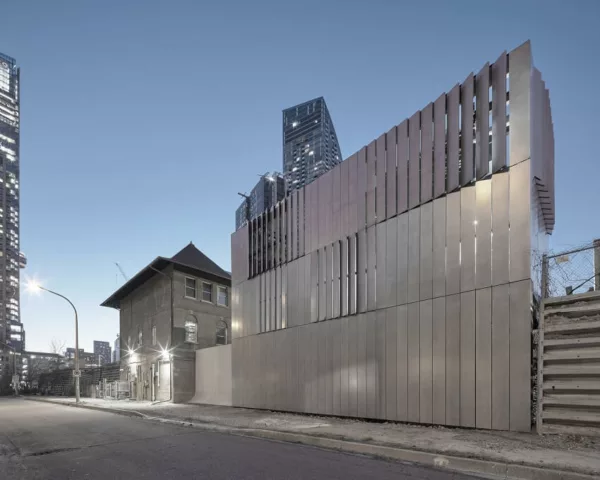
Rdh Architects (RDHA), another notable name among architecture firms in Toronto, has redefined functional infrastructure with the Scott Street Interlocking Signal Tower Generator. Led by Tyler Sharp, this project for Metrolinx demonstrates RDHA’s ability to integrate essential urban infrastructure seamlessly within the cityscape. The design respects the historical context of the Scott Street Interlocking Signal Tower while introducing a modern aesthetic, highlighting the firm’s expertise in balancing functionality with design excellence.
7. NICOL BUILDING, SPROTT SCHOOL OF BUSINESS
Firm: Hariri Pontarini Architects
Winner in Educational Buildings
Urban Design Firms Toronto
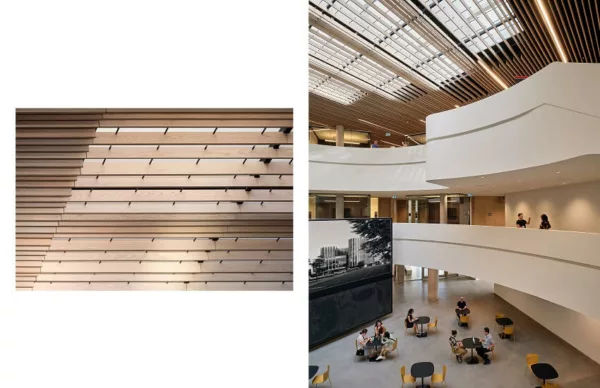
Hariri Pontarini Architects has cemented its reputation within the vibrant landscape of architecture firms in Toronto through its transformative work on the Nicol Building at the Sprott School of Business, Carleton University. Guided by Siamak Hariri’s vision, the firm has developed a structure that champions openness and fluidity, encouraging a sense of belonging and interaction. Its design, marked by a transparent foundation and a sunlit central atrium, breathes life into the building, showcasing Hariri Pontarini Architects’ dedication to crafting spaces that nurture community and connectivity.
8. 33 BLOOR EAST
Firm: WZMH Architects
Winner in Transportation
Toronto Architectural Design
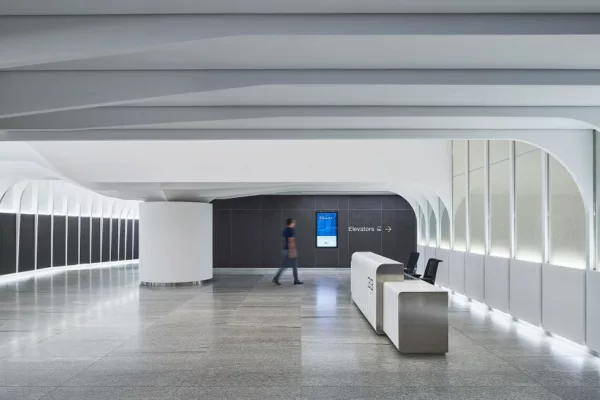
WZMH Architects, a key player among architecture firms in Toronto, redefines commercial and public spaces with the renovation of 33 Bloor East. This project, led by Andrea Tocchini, enhances the street presence of an existing office building, integrating it seamlessly with Toronto’s bustling Bloor Yonge subway station. The innovative use of a feature ceiling for natural wayfinding and the strategic framing of new retail units exemplify WZMH Architects’ skill in revitalizing urban spaces.
9. VIRGIN VINEYARD HOUSE: A LINEAR HOUSE FOR INTERGENERATIONAL LIVING
Firm: LAMAS Architecture Ltd
Winner in Residential Architecture – Single Family
Urban Design Firms Toronto
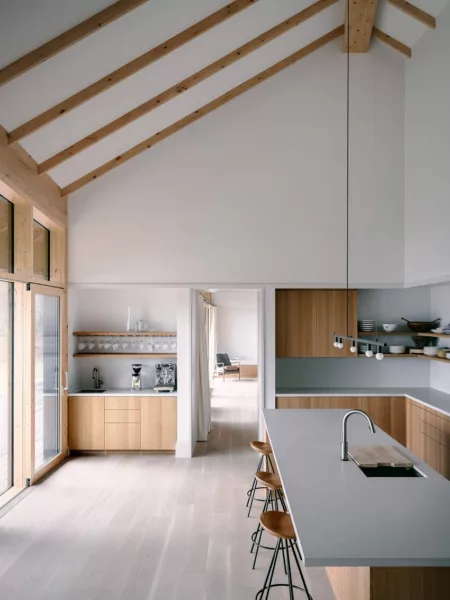
LAMAS Architecture Ltd adds to the diverse portfolio of architecture firms in Toronto with the Virgin Vineyard House, a haven for intergenerational living. This project highlights a linear design that optimizes views and communal living, while being mindful of the site’s natural topography. The commitment to using locally sourced materials and harmoniously blending the structure with its surroundings underlines LAMAS Architecture Ltd’s focus on sustainable and context-aware design.
10. LAURENTIAN UNIVERSITY STUDENT CENTRE
Firm: Gow Hastings Architects
Winner in Institutional Architecture
Contemporary Architecture Toronto
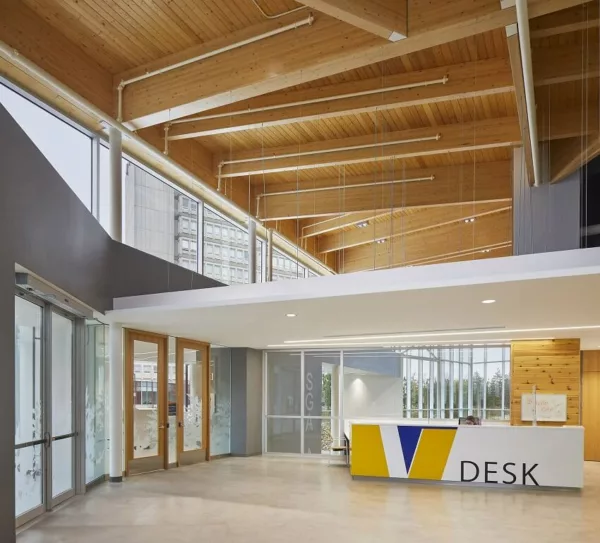
Gow Hastings Architects enriches the academic and communal life at Laurentian University with its Student Centre, marking a significant milestone in the university’s history. This project, co-led by Philip Hastings and Amber Salach, is a testament to the firm’s ability to create spaces that promote community and connectivity. Built on challenging topography, the Centre’s design thoughtfully engages with its natural surroundings, proving Gow Hastings Architects’ prowess in creating meaningful and lasting architectural landmarks.
Celebrating Architecture Firms in Toronto
The projects highlighted in this article exemplify the creativity, innovation, and commitment of architecture firms in Toronto. From enhancing community spaces to redefining urban infrastructure and educational environments, these firms contribute significantly to the architectural landscape of Toronto and beyond. Their achievements, recognized by the Architecture MasterPrize (AMP), underscore the city’s position as a hub of architectural excellence and innovation.
Last updated: March 12, 2026
Architectural photography is more than documenting a building. It is storytelling that shapes how the world perceives design, space, and the built environment. Through the lens, photographers capture not only the form of architecture but also its cultural and emotional impact.
In 2025, architectural photography awards continue to provide powerful platforms for recognition. Winning one can transform your career, offering credibility, exposure, and opportunities for collaboration. This guide covers the most important awards in 2026 and what you need to know to take part.
Why You Should Enter Architectural Photography Awards
Submitting your work to awards is more than chasing a title. It is a strategic step in building your career and reputation. Here’s why:
Credibility with architects and design firms: Recognisable awards (like AMP’s Architecture Photography MasterPrize) prove that your work meets international standards, which helps you win clients and partnerships.
- Visibility across media and exhibitions: Winning or being shortlisted often leads to features in leading design publications like Archinect, gallery shows such as Publico, and online platforms like My Modern Met.
- Networking opportunities: Awards bring together photographers, architects, and creative leaders, all of which can help you build valuable industry relationships. And who knows what kind of doors those relationships can open.
- Differentiation in a competitive market: Traditional advertising methods such as social media are saturated. With architectural photography becoming more specialized, awards help you stand out and attract higher-profile projects.
The AMP recognizes not just the aesthetic appeal of structures but also their functio
Key Architectural Photography Awards in 2026
1. Sony World Photography Awards (Architecture Category)
One of the most well-known photography competitions, the Sony World Photography Awards includes a dedicated category for architecture. Winners include Markus Naarttijärvi (Sweden) for his image of a paper mill in Obbola, Sweden (2026 Architecture winner), and Ulana Switucha for The Tokyo Toilet Project (2025).
Sony’s competition offers broader exposure, as it caters to both wider photography and architecture communities. Being a multinational brand, they’re also able to offer cash prizes, exhibition opportunities, and international press coverage.
In addition, winners’ photographs are displayed at Somerset House in London, giving the prize an additional sense of prestige. This is a great award for photographers looking to reach a wide audience beyond just architectural circles.
The 2026 competition is now closed to entries. The awards ceremony takes place on April 16, 2026 in London, with the exhibition at Somerset House running April 17 to May 4, 2026. The 2027 cycle is expected to open for submissions in summer 2026.
2. Architecture Photography MasterPrize by AMP
The Architecture Photography MasterPrize is dedicated entirely to architectural photography. Unlike general photography competitions, it celebrates photographers who best capture the spirit, detail, and intent of architecture.
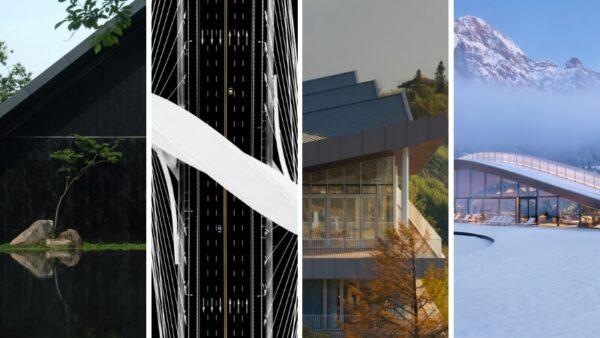
Architectural Photography Awards 2025, AMP winners collage
Their award is unique as it focuses exclusively on architecture. So, it’s highly relevant for professionals in the field.
If you’re a photographer looking to boost awareness then the Architecture Photography MasterPrize is a great place to make your submission. Winners are featured in AMP’s official publications, press releases, and annual book.
In addition, your projects will be shared with global architecture and design outlets that AMP is partnered with such as Archinect and Parametric Architecture. Overall, this is a great award for professional photographers, emerging talents, and firms working with in-house photographers.
The 2026 submission deadline is August 31, 2026.
3. International Photography Awards (Architecture Category)
The International Photography Awards (IPA) is one of the most respected global photography competitions, offering several architecture subcategories including exterior, interior, and bridges.
Further categories include Aerial / Drone shots, abstract architectural photography, professional analog photography, as well as historical and industrial architectural photography.
The IPA enjoys strong recognition across both photography and architecture industries, and the “Photographer of the Year” winner receives the Lucie Trophy and cash awards. Of course, winners are showcased at the Lucie Awards gala in New York.
This is a great award for both professional and amateur photographers across all architectural specialties. IPA 2026 is now open for submissions, with a final deadline of June 30, 2026.
4. Prix de la Photographie Paris
The Prix de la Photographie Paris (PX3) is a Parisian photography competition that highlights international photography talent, with a strong emphasis on artistic and technical quality.
PX3 really blends fine art and commercial recognition, making it valuable for photographers balancing both worlds.
They also have a dedicated category for architectural photography with winners being featured across the city’s exhibitions, receiving certificates and enjoying coverage across PX3’s global press network.
Louis-Philippe Provost was the Professional Architecture Photographer of the Year at the 2024 Prix de la Photographie Paris for his work featuring the “Freedom Tower“.
The 2026 competition is now open. Check px3.fr for current deadlines, as the final submission window typically closes in late spring.
What Judges Look for in Award-Winning Architectural Photography?
Judging panels go beyond sharp and visually appealing photos when selecting the winners of the world’s most prestigious competitions.
- Storytelling: Your photo should convey a message i.e., what story were you trying to tell your photo. Winning photography evokes an emotional response not just from the judging panel, but from peers and other community members as well.
- Technical excellence: It goes without saying, your composition, use of light and shadows, and attention to detail should all be of the highest level of quality. This will be one of the most basic criteria that a judging panel will follow.
- Alignment with architectural values: Does your photography highlight the sustainability, cultural meaning or community relevance of your subject? These are all highly regarded areas in architecture and emphasizing these qualities through your shots will increase your chances of winning.
Final Thoughts
Winning an architectural photography award can elevate your career and help your work reach global audiences. From credibility and media exposure to new client opportunities, the benefits are lasting.
All of these awards are prestigious in their own right. Our recommendation is that you learn more about each award, and apply for those that best align with your goals as an architectural photographer.
If you want your work recognized at a global level, consider submitting to the Architecture Photography MasterPrize before the August 31, 2026 deadline.
In Vancouver’s dynamic landscape, architecture extends beyond basic structures to include innovation, sustainability, and artistic flair. The Architecture MasterPrize (AMP) highlights the remarkable talent and vision coming from Vancouver-based architectural firms. It celebrates seven architecture firms in Vancouver that distinguish themselves through outstanding design quality and continuous pursuit of innovation, no matter where their projects are located. These firms greatly impact both Vancouver’s skyline and architectural excellence worldwide, demonstrating the city’s prominent role in defining the future of architecture.
Celebrating Architectural Excellence in Vancouver
1. SHOR HOUSE by Measured Architecture
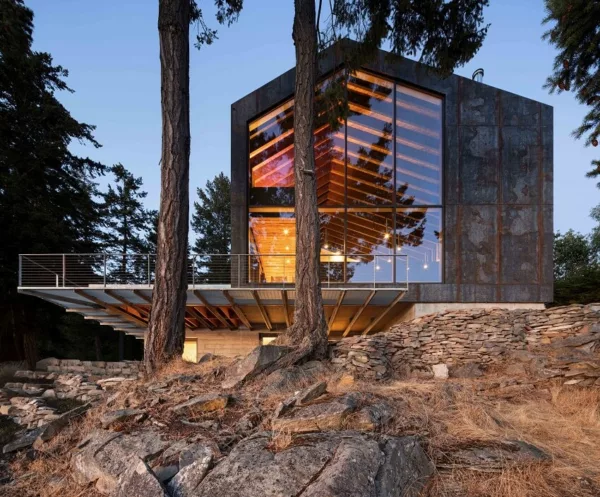
As a peak of sustainable living, Measured Architecture has crafted the SHOR House, emphasizing the importance of salvage, reuse, and minimal environmental impact. This project stands as a testament to the innovative spirit of local architects, showcasing the potential for recycled materials to create spaces that are both beautiful and eco-friendly.
2. SYSTEM 01: GREAT LAKES CABIN by The Backcountry Hut Company
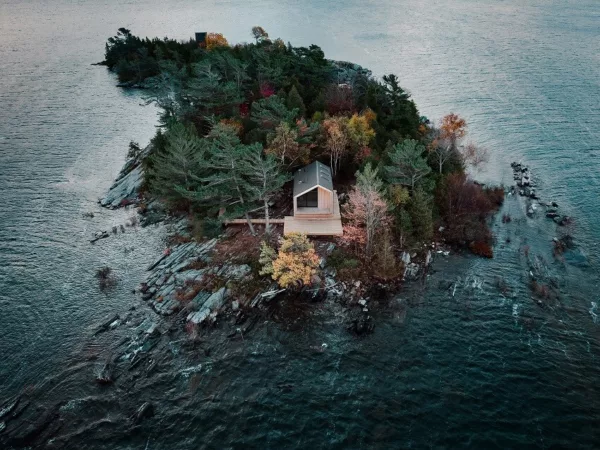
The Backcountry Hut Company introduces the Great Lakes Cabin, a compact structure that exemplifies efficient use of space and materials. This project demonstrates the commitment of Vancouver’s architectural community to sustainable design, with every element carefully considered to minimize environmental impact.
3. DOIG RIVER CULTURAL CENTRE by Iredale Architecture
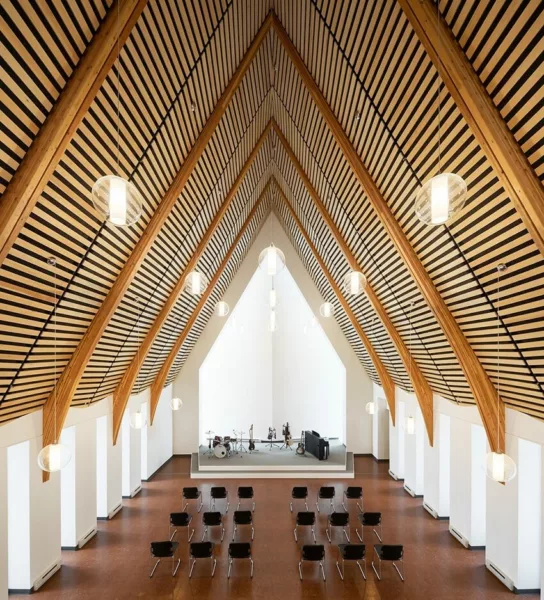
Iredale Architecture’s design for the DOIG River Cultural Centre harmoniously blends modern design with cultural heritage. This Passive House-certified project exemplifies how architecture firms in Vancouver are creating community-serving spaces that elevate the public architecture landscape while prioritizing environmental sustainability.
4. LEON LEBENISTE INDUSTRIAL FACILITY by Hemsworth Architecture
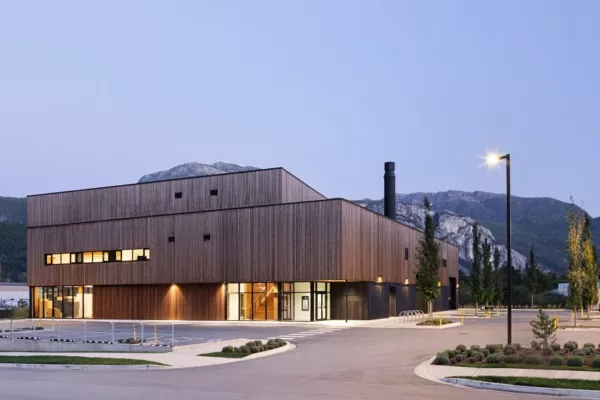
Demonstrating a commitment to sustainable and community-focused design, Hemsworth Architecture’s project for Leon Lebeniste highlights the rich tradition of wood construction. This facility serves as a hub for local makers and artisans, emphasizing the role of architecture in fostering community and collaboration.
5. CARDERO by Henriquez Partners Architects
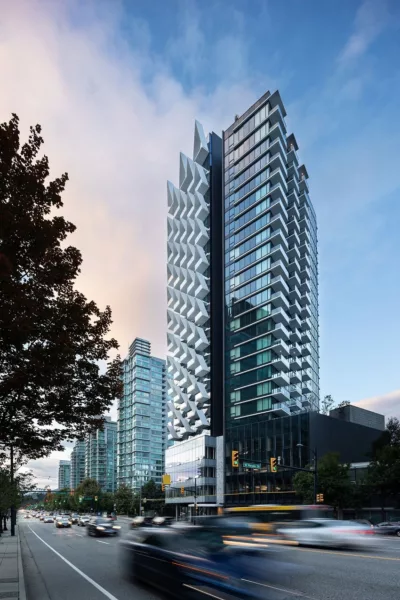
Henriquez Partners Architects‘ CARDERO project is a modern landmark that reflects the nautical history and contemporary design associated with Vancouver. This building is a prime example of how local architects are integrating sustainable strategies to create innovative and iconic additions to the city’s landscape.
6. XIQU CENTRE by Revery Architecture/ RPL Company Ltd.
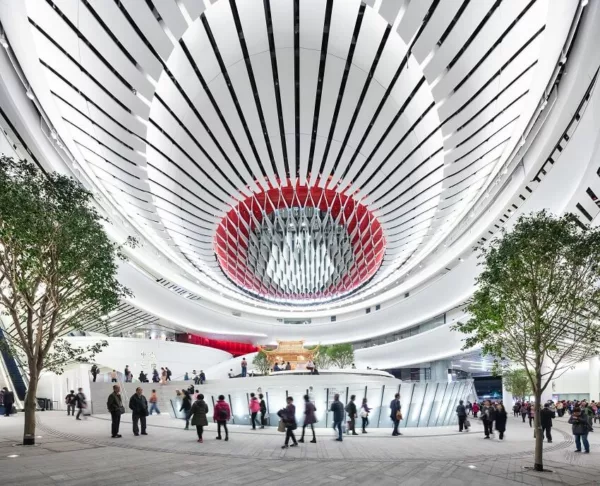
With the XIQU Centre, Revery Architecture demonstrates the global impact achievable by architecture firms in Vancouver. This project blends theatre, art, nature, and public space, pushing the boundaries of design and showcasing the firm’s ability to respect tradition while innovating.
7. SUSTAINABLE ENERGY ENGINEERING BUILDING by Revery Architecture Inc.
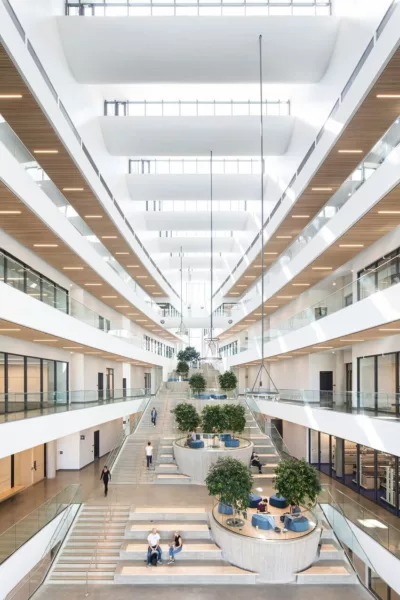
The Sustainable Energy Engineering Building at Simon Fraser University, designed by Revery Architecture Inc., showcases innovation in educational architecture. It highlights how Vancouver’s architects integrate nature with technology, serving as a model for sustainable design and interdisciplinary learning.
A Vision for Tomorrow: Architecture Firms in Vancouver
As we look to the future, the work of these AMP award-winning architecture firms in Vancouver continues to serve as a source of inspiration. Their dedication to redefining architecture—through sustainability, innovation, and community engagement—signals an exciting next chapter in the evolution of Vancouver’s architectural landscape. Together, they are not just influencing the city’s skyline but also paving a way towards a more innovative, sustainable, and inclusive world.
In the center of Montreal, a significant change is happening in the world of architecture, transforming spaces and challenging traditional design concepts. The Architecture MasterPrize (AMP) has spotlighted the leaders of this change, honoring 14 architecture firms in Montreal for their outstanding work in the field. This recognition not only celebrates their creative talent but also positions them at the height of architectural innovation in a city known for its dynamic design scene.
The Impact of Architecture Firms in Montreal on Modern Design
The architecture firms in Montreal stand as the peak of innovation, merging aesthetic beauty with functional design. The AMP award winners have launched Montreal onto the global stage, showcasing the city’s commitment to excellence and its rich architectural heritage. Their projects span a diverse array of sectors, including residential, commercial, and public spaces, each reflecting a deep understanding of the environment and the needs of their users.
Montreal Architectural Design: A Mix of Heritage and Innovation
The architectural scene in Montreal serves as a clear demonstration of the city’s skill in respecting its past while welcoming the future. Firms like GKC Architecture & Design and Lemay have masterfully integrated bioclimatic principles and sustainable practices into their designs, demonstrating a profound respect for nature and a dedication to environmental responsibility.
Design Firms Montreal: Shaping Spaces for Tomorrow
Design firms in Montreal are not just creating buildings; they are crafting experiences and environments that inspire and uplift. Through projects like the Centre Hospitalier de l’Université de Montréal’s Academic Medical Hub and the innovative Darwin Bridges, these firms are setting new standards in architectural design, functionality, and sustainability.
Exploring the Masterpieces of AMP Award-Winning Architecture Firms in Montreal
Each of the 14 AMP award-winning architecture firms in Montreal has contributed significantly to Montreal’s urban fabric, offering a glimpse into the future of architectural design. Here, we dig into these masterpieces, exploring how they have redefined spaces in Montreal and beyond.
1. CannonDesign + NEUF architect(e)s
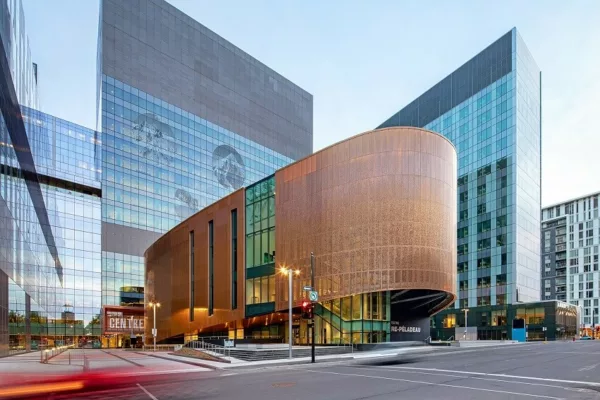
Centre hospitalier de l’Université de Montréal’s academic medical hub
The Centre Hospitalier de l’Université de Montréal’s Academic Medical Hub represents a monumental achievement in healthcare architecture. This complex, spanning 400K m², serves as a dynamic space for medical research, education, and care, underlining the importance of integrated community spaces in urban settings
2. GKC Architecture & Design
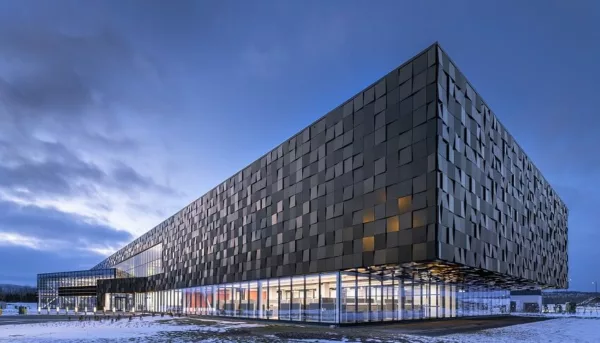
The Maison Simons project by GKC Architecture & Design is a prime example of bioclimatic design in action. Situated in Quebec City, this distribution centre for La Maison Simons features a cloud-like structure floating above a glazed base, symbolizing creativity and aesthetics. Its design principles prioritize user comfort, energy efficiency, and employee well-being, showcasing a sustainable approach to retail spaces.
3. Lemay
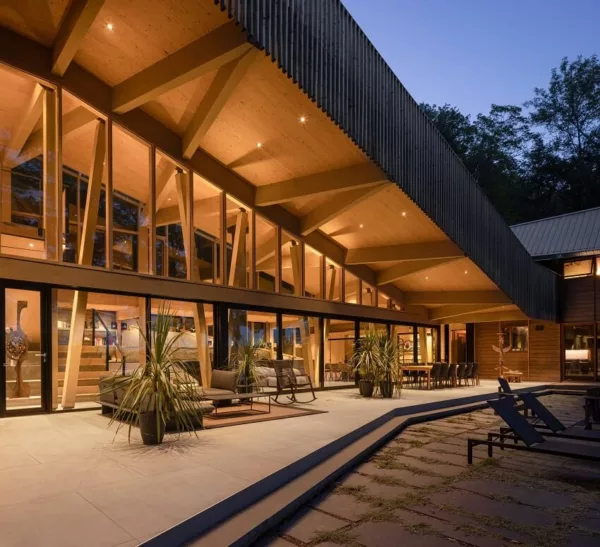
At the intersection of nature and architecture, Lemay’s Chalet Vale Perkins in Montreal provides a serene retreat that minimizes its environmental impact. This project exemplifies sustainable living, with its design harmoniously blending into the surrounding landscape and prioritizing the well-being of its residents.
4. Provencher_Roy
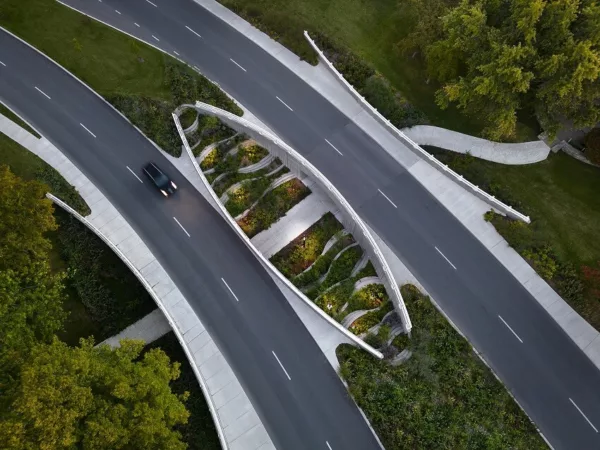
The Darwin Bridges by Provencher_Roy, located on Nuns’ Island, Montreal, stand as a testament to innovative material use and design. These pedestrian and cyclist bridges are the first in the world to utilize glass powder concrete, reducing greenhouse gas emissions and enhancing the urban landscape.
5. AtelierCarle (Alain Carle Architecte)
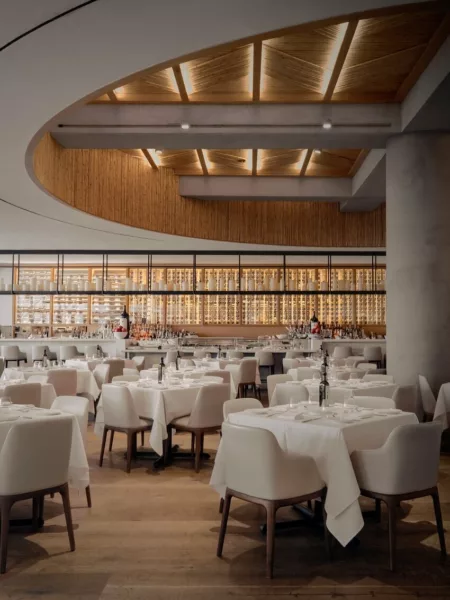
The Milos Hudson Yards project showcases the virtues of Greek architecture through clarity, light, and precision. AtelierCarle’s design provides a contemporary backdrop for the Estiatorio Milos restaurant, emphasizing the simplicity of its cuisine with a thoughtful selection of materials.
6. la Shed Architecture
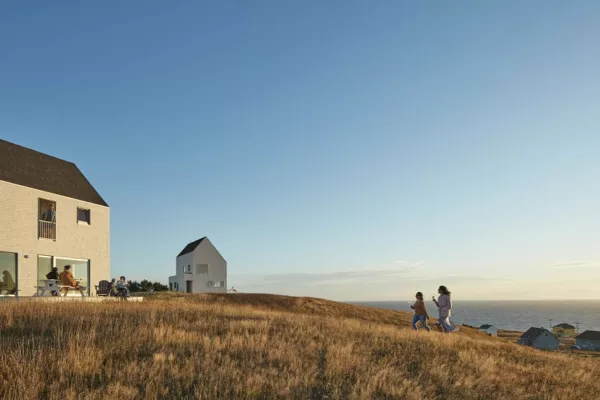
Located on the scenic Havre Aubert Island, la Shed Architecture’s Les Rochers offers a contemporary reinterpretation of the traditional gable roof typology. With its sculptural silhouettes and asymmetric forms, the project blends seamlessly into the maritime landscape, embodying the architectural vernacular of the Magdalen Islands and prioritizing harmony with its environment.
7. Menkès Shooner Dagenais LeTourneux | NFOE Architectes
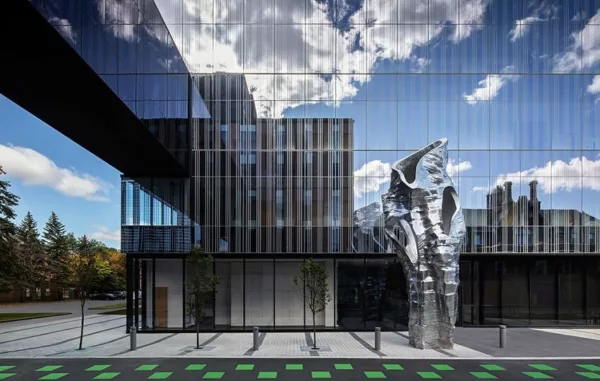
This project stands as a peak of innovation at Concordia University. The Applied Science Hub, aiming for LEED® Gold certification, represents a forward-thinking approach to educational architecture. With its open, bright design and state-of-the-art facilities, the hub fosters collaboration and research, contributing significantly to the academic landscape in Montreal.
8. Provencher_Roy and Yelle Maillé architects in JV
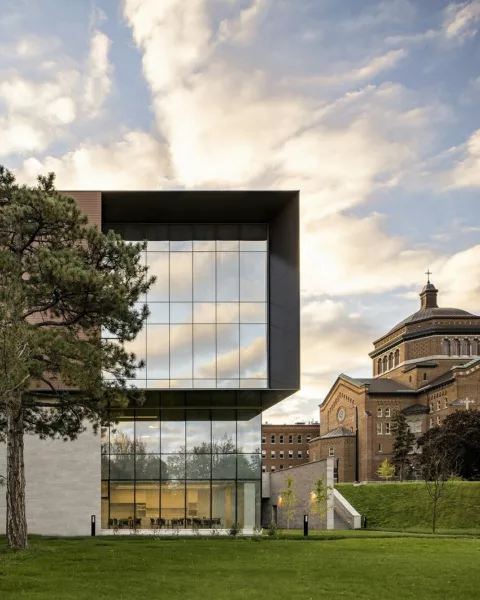
Integrated Trauma Centre at Hôpital du Sacré-Cœur de Montréal
This expansion melds contemporary needs with the historical essence of a 1927 building. The design emphasizes natural light and energy efficiency, supporting the well-being of patients and healthcare professionals while respecting the heritage character of the institution.
9. Smith Vigeant architectes inc.
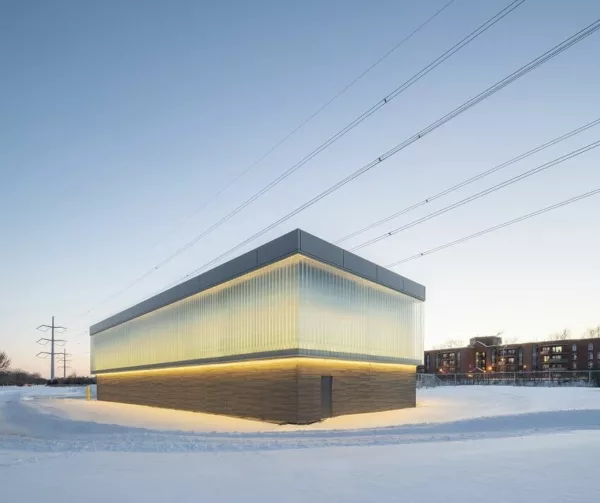
This project addresses the crucial need for improved water quality in Montreal. Inspired by the fluid nature of water, the new water intake facility embodies both functionality and aesthetic appeal, utilizing innovative architectural forms to enhance public spaces and support community values.
10. Alain Carle Architecte
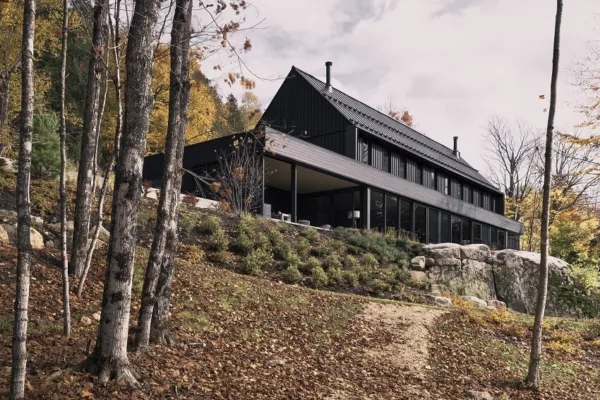
Situated in Mont-Tremblant, the MTR project explores the relationship between architecture and the natural landscape. This residential design prioritizes minimal environmental impact, integrating the building into the rocky outcrop of the lakeside and offering breathtaking views that celebrate the natural beauty of the location.
11. APPAREIL Architecture
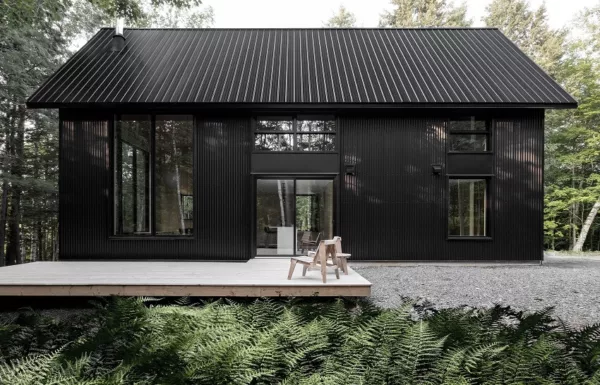
This chalet presents a unique symbiosis between nature and architecture, leveraging the site’s natural offerings to create a tranquil retreat. The minimalist approach to the façades and the use of a monochrome palette enhance the serene atmosphere, inviting residents to connect with the surrounding forest and idyllic landscapes.
12. Sid Lee Architecture
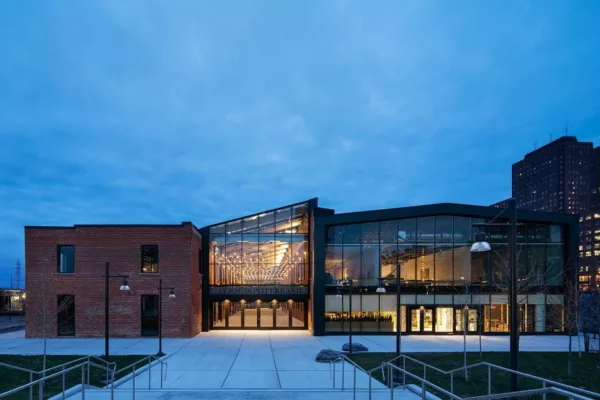
As part of the Zibi net-zero carbon community masterplan, this project transforms two industrial buildings into vibrant office spaces. The design emphasizes sustainability and historical preservation, contributing to the revitalization of one of Canada’s most sustainable neighborhoods along the Ottawa River.
13. Menkès Shooner Dagenais LeTourneux | Lemay | NFOE Architectes
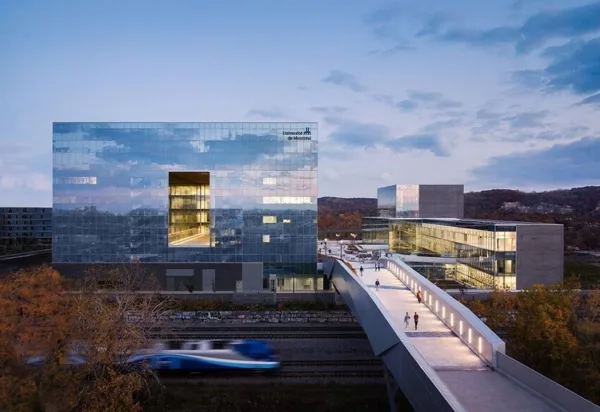
This LEED® Gold-targeted complex at the Université de Montréal fosters an innovative environment for science and education. The design strategically connects the university community with the surrounding neighborhoods, promoting engagement and revitalization through green spaces and public area.
14. Lemay + Atelier 21
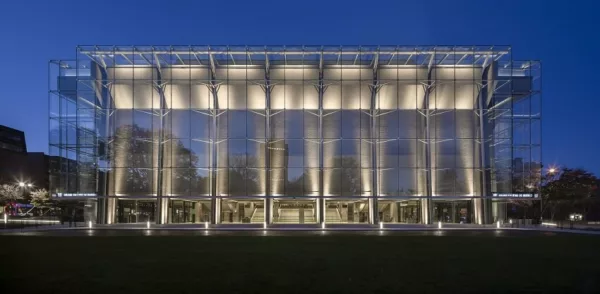
An architectural marvel, this project adds a transparent, structural layer to protect the building’s brutalist architecture and sculptural mural. The intervention is a sensitive response to preserving the cultural heritage while enhancing its visual impact, making it a landmark project in North America.
The Bright Future of Architecture in Montreal
The accomplishments of these 14 architecture firms in Montreal, recognized by the AMP, indicate a promising direction for the city’s architectural growth. Their creative methods, dedication to sustainability, and skill in integrating functional spaces into the everyday lives of people establish a standard for architects across the globe.
Pioneering Sustainable and Innovative Architectural Solutions
The push towards sustainability and innovation is evident in the works of these firms. Projects like the Applied Science Hub at Concordia University and the Grand Théâtre de Québec’s protective glass envelope exemplify the drive towards environmentally responsible and technologically advanced designs.
Enhancing Community and Well-being Through Design
Architecture in Montreal goes beyond buildings; it’s about creating spaces that enhance community well-being and connectivity. The integration of public spaces, like those in the Science Complex – MIL Campus, showcases how architecture can cultivate community engagement and contribute to the health of urban environments.
The Enduring Influence of Architecture Firms in Montreal on Urban Evolution
The 14 AMP award-winning architecture firms in Montreal are not just redefining spaces; they are shaping the future of architecture itself. Through their visionary projects, they demonstrate the power of design to transform communities, enhance human experiences, and promote sustainability. As Montreal continues to evolve, these firms stand at the forefront, guiding the city towards a more innovative, inclusive, and sustainable architectural future.
Introduction to Product Design Excellence
The Architecture MasterPrize (AMP) has long been celebrated for its commitment to raising the bar for architectural design around the world. However, it’s not just architecture that AMP highlights; the field of architectural product design also receives well-deserved attention. This year’s AMP product design winners showcase innovation, sustainability, and aesthetic brilliance, demonstrating the peak of design achievement. These awards serve not just as a testament to the designers’ creativity and skill but also as an inspiration for the global design community.
Highlighting the Best in Architectural Product Design
Product Design of the Year:
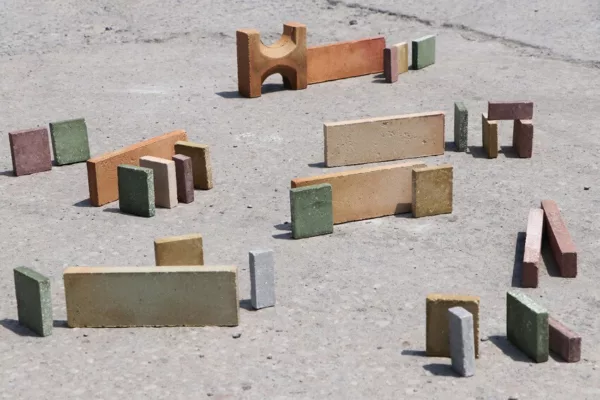
The Unburnt Circular Tile stands out for its sustainable approach and innovative design, rightly earning the title of Product Design of the Year. Crafted from 88%-93.5% recycled industrial waste, loqa’s Unburnt Circular Tile revolutionizes sustainable building materials. With its strong, water-efficient design, this tile not only diverts waste from landfills but also significantly lowers CO2 emissions during production.
Best of Best Winner in Furnishing:
Castle Family by Zomorrodi and Associates
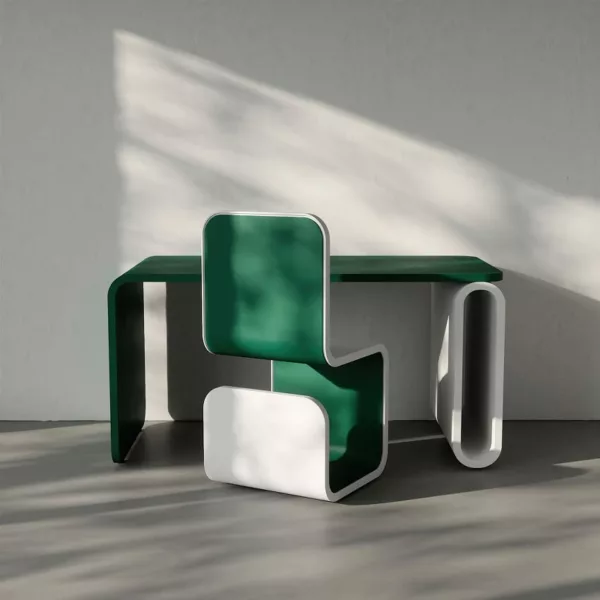
Castle Family combines functionality with playful design elements, creating a furnishing solution that is both practical and visually engaging. This product redefines the boundaries of interior design, making it a deserving winner in its category.
Best of Best Winner in Illumination:
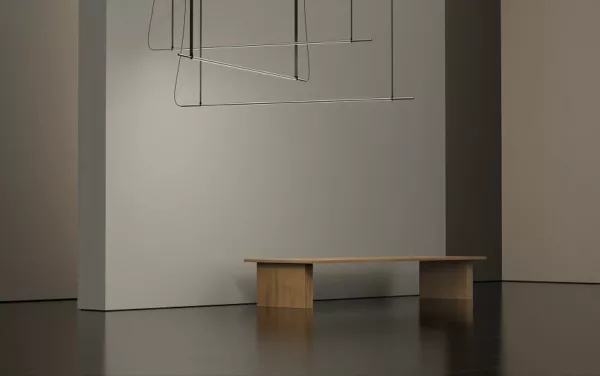
The T.O Pendant elegantly balances art and functionality, featuring a light wand suspended by decorative belts for full 360-degree rotation. Its design versatility offers both task-oriented and ambient lighting, elevating any residential or workplace setting.
Winner in Furnishing:
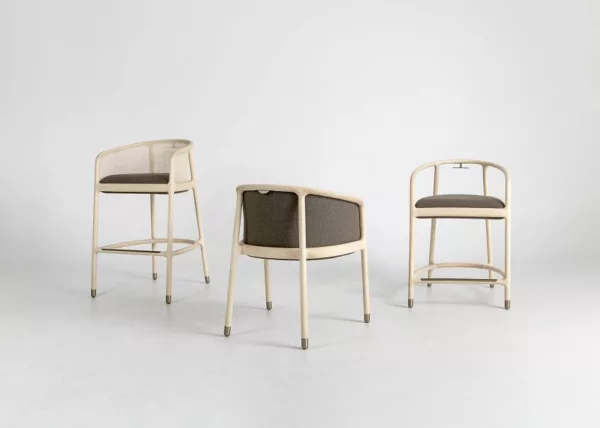
Juliet fuses elegance with durability, presenting a seating collection that pays homage to the classic love story of Romeo and Juliet. Crafted with a commitment to sustainability, it features FSC-certified wood and incorporates eco-friendly practices. Its slim yet durable design, customizable options, and hand-finished details set new standards in furniture design, blending exceptional craftsmanship with thoughtful practicality.
Winner in Outdoor Products:
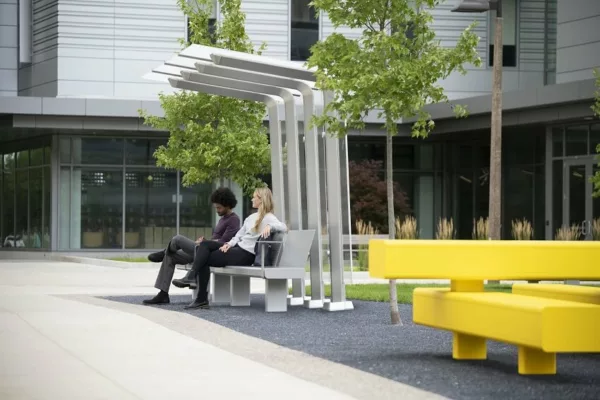
Theory marries sculpture with functionality, offering a modular transit furnishings system that inspires playfulness and discovery. Its non-prescriptive design encourages unique user interaction and creative expression in public spaces.
Winner in Kitchen Products:
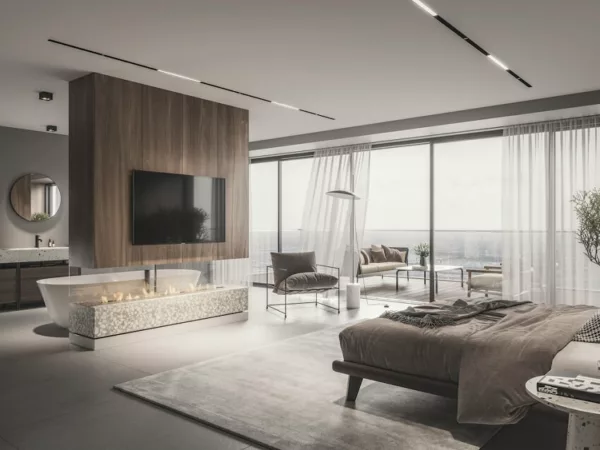
Rehau’s Rauvisio Ingrain brings sophistication and practicality to kitchen surfaces. This product exemplifies how material innovation can transform everyday spaces into works of art.
Winner in Finishes:
Wilsonart® Traceless™ by Wilsonart
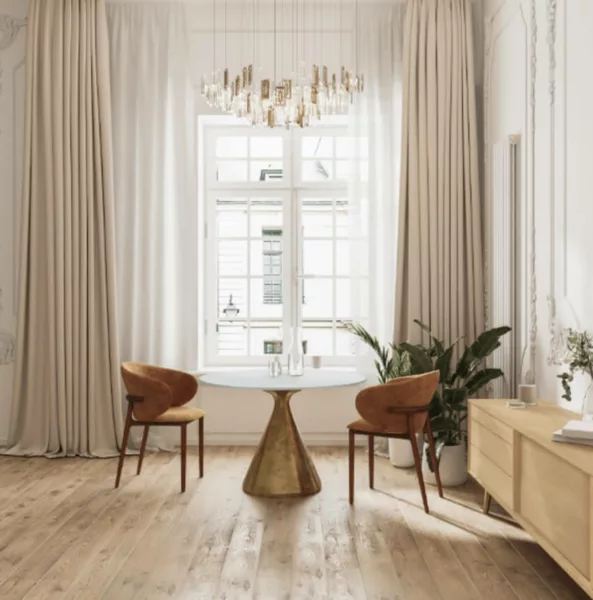
Wilsonart’s TRACELESS™ collection redefines surface design with its ultra-matte, soft-to-the-touch finish. Ideal for high-traffic areas, it combines timeless style with advanced durability for both commercial and residential applications.
Honorable Mention in Windows, Doors & Hardware:
Acronym Curved Door by Construction Specialties
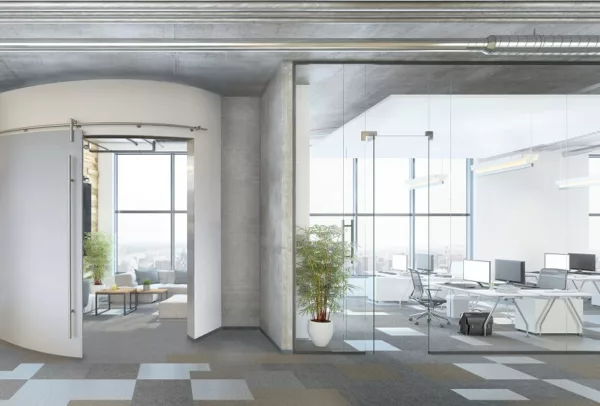
The Acrovyn Curved Door is designed for durability and space efficiency in healthcare and commercial environments. Its innovative curved design aligns with radius walls, enhancing visibility and patient care without compromising space.
Honorable Mention in Sustainable Products:
Eggo Chair GGO CHAIR by KIOSKedia
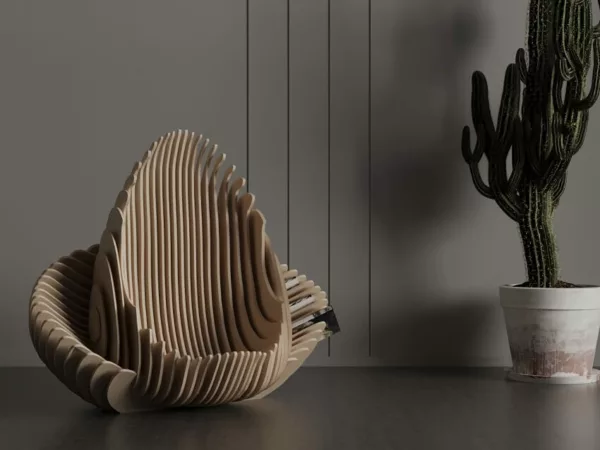
Inspired by organic shapes, the Eggo Chair integrates sustainability and functionality with its bioplastic construction. Its unique product design offers both a comfortable seating option and a novel way to store and resume reading books.
Honorable Mention in Furnishing:
Delicate Arches Shelf by Jenny Tseitlin

The Delicate Arches Shelf brings the architectural elegance of arches into the home with its finished metal design. This project aims to re-introduce the timeless beauty of arches into modern interiors, merging structural elegance with functionality.
The Impact of Product Design Recognition
These AMP product design winners highlight the diversity and creativity embedded in the field of product design. Each winner, through their unique approach and commitment to design excellence, contributes to the broader narrative of innovation and sustainability in design. The recognition by AMP not only celebrates these achievements but also aligns with the vision of the sister award program Design MasterPrize (DMP).
Like AMP, DMP is dedicated to promoting global excellence in design across various sectors, like product or graphic and communication design. By highlighting these winners, we also underscore the importance of design awards in nurturing a culture of innovation and excellence within the broader design community. The DMP, design award, serves as a platform for showcasing the transformative power of design, inviting product designers from around the world to share their vision and creativity.
Reflecting on Design Excellence
The AMP product design winners of this year reflect the highest standards of design excellence. From sustainable innovations to technological advancements, these products stand as lighthouses of creativity and innovation. They not only serve their intended functional purposes but also contribute to the aesthetic and sustainable advancement of our global society. As we celebrate these achievements, we are reminded of the power of design to influence and transform our world.
In the world of architecture, where design merges with culture, certain buildings stand out as exemplars, embodying the core of cultural significance and architectural innovation. These structures are not just physical constructs; they are narratives of history, art, and community spirit. Here, we explore seven such buildings that have set benchmarks in the domain of cultural architecture.
What is Considered as a Cultural Building?
Cultural buildings are structures designed for the purpose of preserving, exhibiting, or performing arts and cultural activities. These buildings are often architectural landmarks themselves, representing historical, artistic, or societal values of the region they are situated in. They range from museums and galleries to concert halls and community centers, each telling a unique story through its design and function.
Why is Cultural Architecture Important?
Cultural architecture is important because it not only preserves heritage and history but also shapes contemporary society. These buildings serve as hubs for cultural expression, education, and community engagement, nurturing a sense of identity and continuity. They are not mere structures but symbols of human achievement and creativity.
7 Awarded Cultural Buildings You Must See
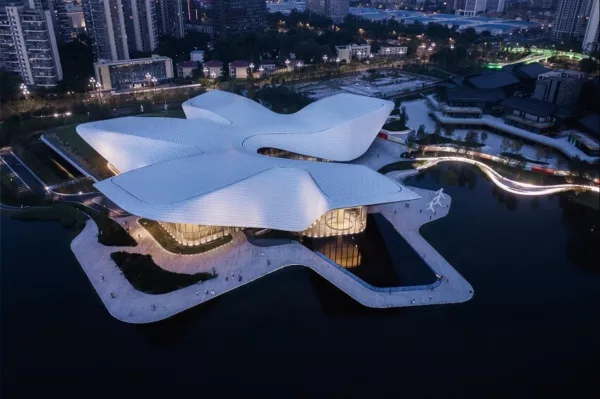
1. Chengdu Tianfu Art Gallery, Chengdu, China
Company: CSWADI
Lead Architect: Liu Yi
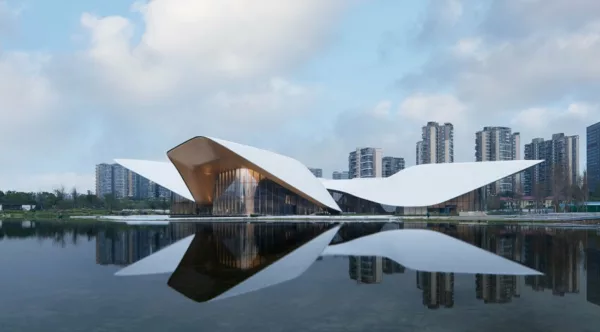
The Chengdu Tianfu Art Gallery, created by CSWADI, stands out as a prime example of modern cultural buildings evolving into new landmarks. Its sculptural curve is not just a visual victory; it showcases a smart blend of space, environment, and artistic purpose.
This gallery isn’t just a place to display art; it’s a work of art in its own right, demonstrating the perfect balance between space and art.
2. National Pavilion of Biodiversity, Mexico City, Mexico
Company: Fernanda Ahumada + FR-EE
Lead Architect: Fernanda Ahumada, Fernando Romero
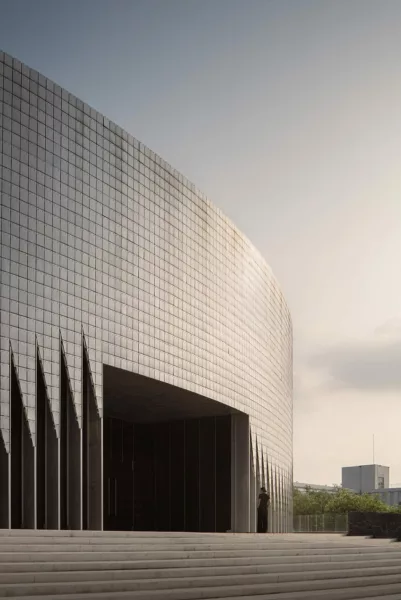
A brilliant example of architectural creativity, the National Pavilion of Biodiversity, designed by Fernanda Ahumada and FR-EE, showcases the connected nature of all living things. Its design, taking inspiration from the Tree of Life, provides wide views that merge the indoor space with the outside natural environment, highlighting the significance of preserving biodiversity.
3. New Temple Complex, London, United Kingdom
Company: James Gorst Architects
Lead Architect: Steven Wilkinson
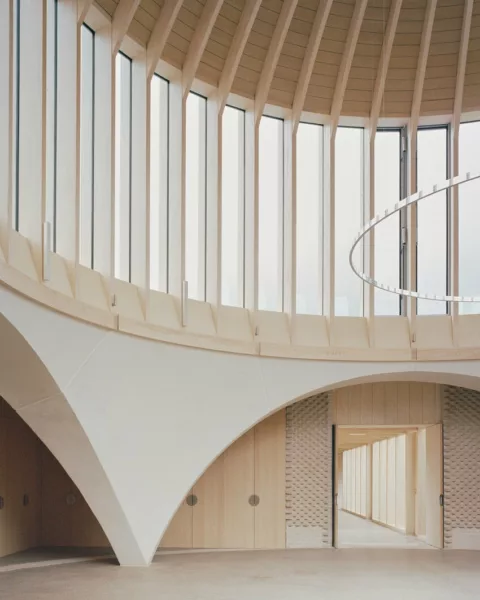
The New Temple Complex, designed by James Gorst Architects, is a peaceful mix of religious and non-religious elements. Its design, which is mindful of the environment and blends the building with its natural setting, signals a new wave of cultural buildings that are practical and spiritually uplifting. This complex is a tranquil space, encouraging thoughtful reflection and community togetherness.
4. Andermatt Concert Hall, Andermatt, Switzerland
Company: Studio Seilern Architects
Lead Architect: Christina Seilern
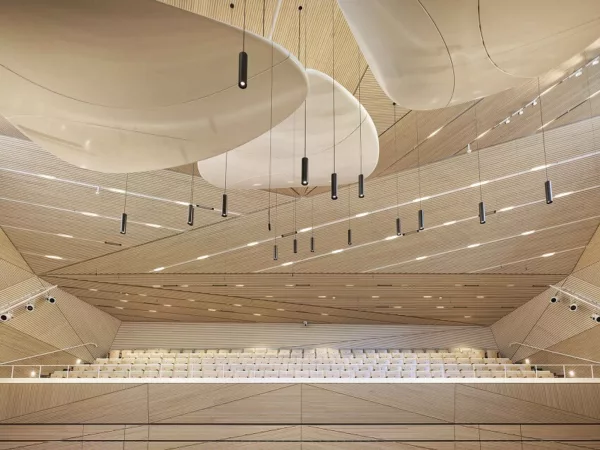
Studio Seilern Architects’ Andermatt Concert Hall is a cultural jewel nestled in the Swiss Alps. The hall’s design, characterized by its raised roof and glass façade, invites the external landscape in, creating an immersive experience for the audience. This building is a perfect fusion of visual art and musical excellence, making it a must-visit destination for cultural enthusiasts.
5. Robert Olnick Pavilion, Cold Spring, New York
Company: MQ Architecture
Lead Architect: Alberto Campo Baeza & Miguel Quismondo
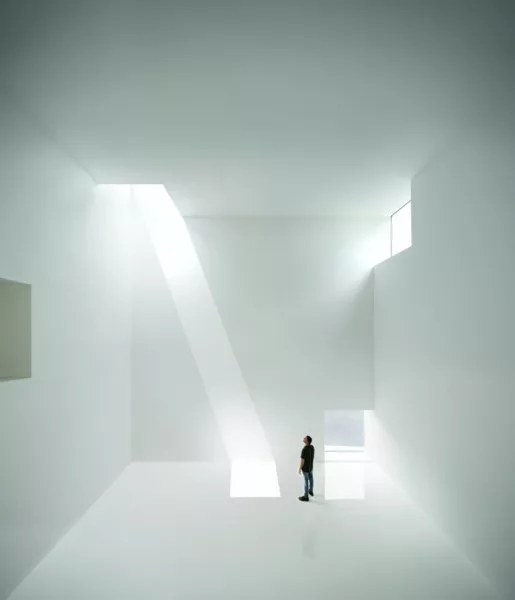
The Robert Olnick Pavilion, a creation of MQ Architecture, stands out for its minimalist design and focus on showcasing art in its purest form. Its use of light and space makes it an architectural wonder, offering a unique experience to its visitors. This building is a modern ode to the timeless beauty of art and architecture.
6. Joybo Farm, Chongqing, China
Company: WE LIVE ARCHITECTS
Lead Architect: WeitaoLi, BoLi
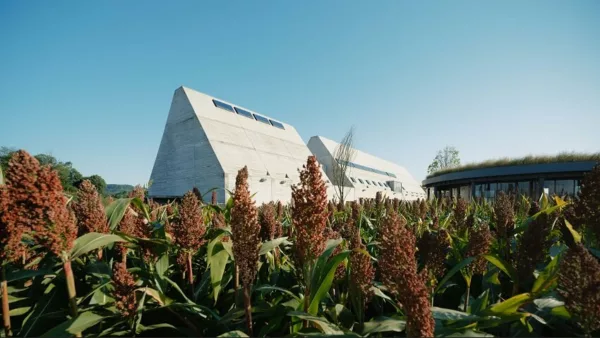
Joybo Farm, envisioned by WE LIVE ARCHITECTS, represents a new era of rural revitalization through architectural innovation. This project connects the past and future, creating a space where urban and rural narratives intertwine. It’s a living example of how cultural buildings can foster community development and cultural preservation.
7. Taoyiqiu Memorial, Kunshan, Jiangsu, China
Company: Atelier Deshaus
Lead Architect: Chen Yifeng, Ma Danhong
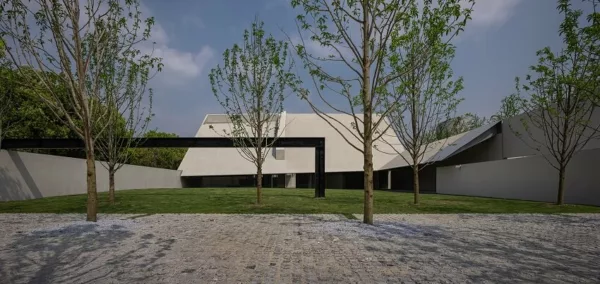
The Taoyiqiu Memorial by Atelier Deshaus is more than just a building; it is a tribute to history and heroism. Its design promotes reflection and contemplation, allowing visitors to engage with the legacy of Tao Yiqiu in a space that transcends the ordinary. It is a profound expression of cultural memory and architectural grace.
The Impact of Cultural Buildings in Shaping Our World
Cultural buildings are more than just physical spaces; they are the heart and soul of communities, preserving and promoting our collective heritage. The role of architects in creating and appreciating these architectural wonders is invaluable. Their contributions can help building a better world.
How to Get Creative Ideas for Apartment Interior Design?
Generating creative ideas in apartment interior design involves a blend of innovation and awareness. For professionals in this field, each project is a canvas for unique expression and problem-solving. A crucial step is to remain informed about the latest developments in interior design. This includes understanding emerging trends, new materials, and evolving technologies that can be incorporated into apartment spaces.
One effective strategy is to look into minimalist apartment designs. This design philosophy centers on the principle of ‘less is more’, prioritizing functionality and simplicity. It challenges designers to create efficient, yet aesthetically pleasing spaces by focusing on necessary elements, crafting both elegant and practical interiors.
Another avenue for creativity lies in experimenting with diverse apartment color schemes. The strategic use of color can transform the feel of a space, influencing mood and perception. It allows designers to create distinct atmospheres, from serene and calming environments to vibrant and energetic spaces. Tailoring color schemes to each project adds a personalized touch that resonates with the occupants’ preferences and lifestyle.
How to Plan an Apartment Interior Design?
Planning an apartment interior design project requires a balance of creativity and practicality. The process typically begins with a thorough understanding of the client’s needs and the space’s potential. Here are some steps to guide the process:
- Assess the Space: Evaluate the layout, natural light, and existing features of the apartment. This will help in understanding the limitations and possibilities.
- Define the Function: Every area in an apartment should serve a purpose. Whether it’s a living area, a workspace, or a relaxation spot, defining this early on is crucial.
- Choose a Style: Deciding on a design style helps in creating a cohesive look. Whether it’s modern, traditional, or eclectic, this choice will guide subsequent decisions.
- Plan the Layout: This involves deciding where furniture and fixtures will be placed. The layout should promote comfort, functionality, and aesthetics.
- Select a Color Scheme: As mentioned earlier, colors can dramatically affect the look and feel of a space. Choose a palette that reflects the desired mood and complements the furniture and accessories.
- Focus on Lighting: Good lighting is crucial. It’s not just about fixtures; it’s about how light interacts with space, color, and furniture.
Moving from the conceptual to the practical, let’s explore how these creative ideas are applied in real-world projects.
12 Creative Apartment Interior Design Projects
- Roofs of Podil
Best of Best in Apartments Interior Design
Company: Yana Molodykh Interiors
Lead Architect: Yana Molodykh
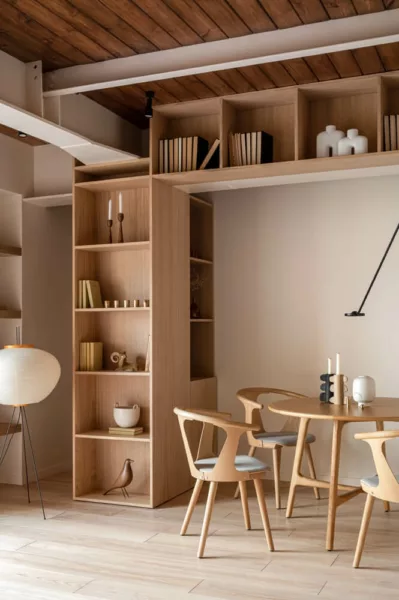
This project by Yana Molodykh Interiors, located in Kyiv, Ukraine, showcases an apartment designed as a typical Pied-à-Terre. It serves a couple who reside in a Kyiv suburb and use the apartment to immerse in the city’s cultural life during weekends. The design reflects the character of Podil, one of Kyiv’s most picturesque districts, blending classical and modernist architectural elements with constructivist colors and wood backgrounds. The challenge was to transform the technical limitations of the attic space into unique features, enhancing the overall apartment interior design.
- Casa Galeria D’Art
Best of Best in Apartments Interior Design
Company: Clara LLeal Interiorista
Lead Architect: Clara LLeal
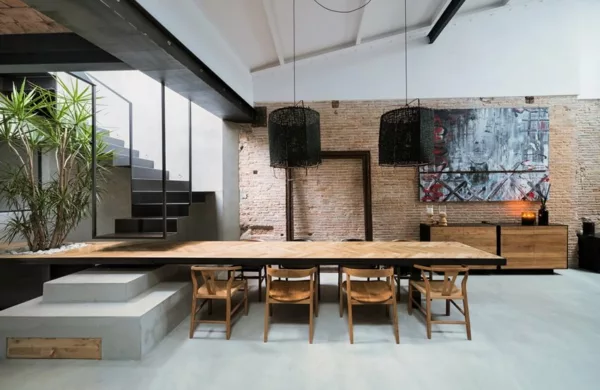
Located in the historic center of Badalona, near Barcelona, this project was designed by Clara Lleal Interiorista. A unique feature of this apartment’s interior design is the incorporation of sculptures created by the homeowner, artist and sculptor Juanma Noguera. The project presents an Art Gallery house concept, blending living spaces with art exhibition areas, showcasing a seamless integration of artistic expression within a residential setting.
- Tranquility
Winner in Apartments Interior Design
Company: Simple Design Studio
Lead Architect: Derson Chiu
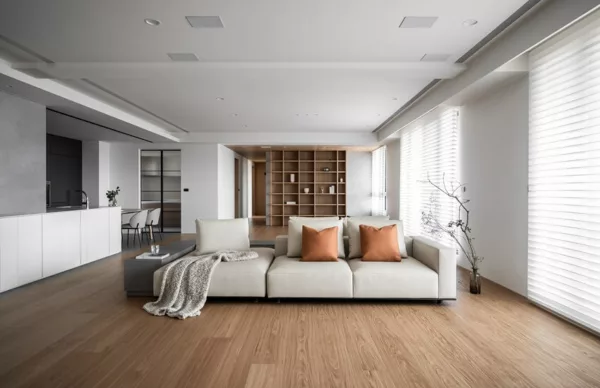
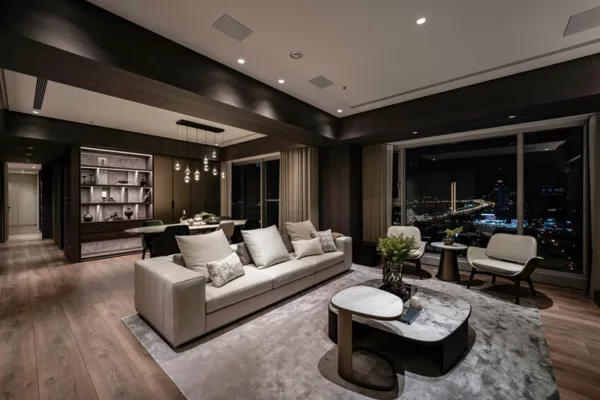
Designed by Simple Design Studio and located in Hsinchu, Taiwan, this project is a remarkable example of apartment interior design. It involves the combination of two apartments on the 19th floor, offering ample natural light and stunning views, particularly of the Central Mountain Range and the High-Speed Rail. The design team emphasized natural light as a central theme, integrating the mountain vistas into the living space, creating a tranquil and serene atmosphere in the heart of the city.
- The Curve of Time-Ningbo Fortune Center
Winner in Apartments Interior Design
Company: Lin WeiPing Interior Design Consulting Co,. Ltd.
Lead Architect: Weiping Lin
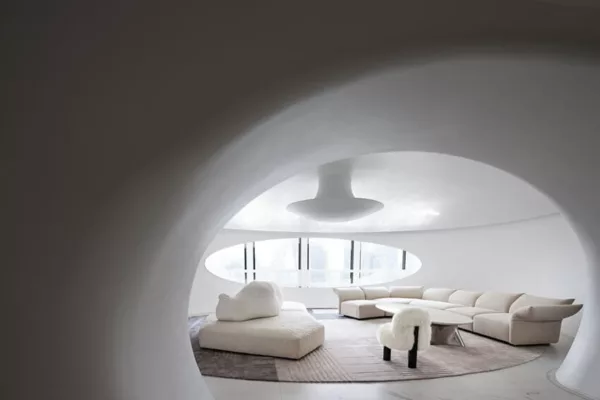
This project, located in Ningbo, China, is a testament to the dynamism of apartment interior design. Lin WeiPing Interior Design Consulting Co., Ltd., led by architect Weiping Lin, utilizes smooth curves to redefine the space, transcending traditional boundaries and introducing a fluidity in design. Inspired by classical Chinese garden portals, the use of curves offers an intuitive visual enjoyment, aligning with Oscar Niemeyer’s philosophy of embracing sensual, free-flowing lines over rigid angles.
- 9° Apartment
Winner in Apartments Interior Design
Company: Cuaik CDS
Lead Architect: Santiago Cuaik
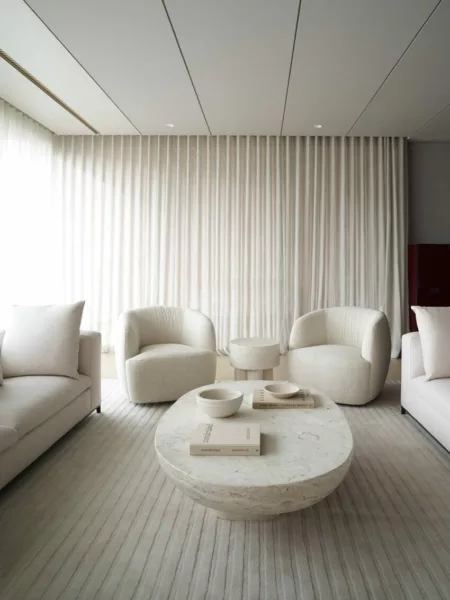
The 9° Apartment, situated in an exclusive residential golf club in western Mexico City, is a creation of Cuaik CDS. This elegant apartment, designed by Santiago Cuaik and team, showcases a monochrome “white canvas” concept, juxtaposed with colored furniture for contrast. Emphasizing minimalist design, it features simple yet thoughtful details, including a fireplace crafted from local travertine marble. This project exemplifies Cuaik CDS’s philosophy of unifying spaces through design and furniture, presenting an exquisite example of apartment interior design.
- West 53rd Street Apartment
Winner in Apartments Interior Design
Company: Messana O’Rorke
Lead Architect: Brian Messana and Toby O’Rorke
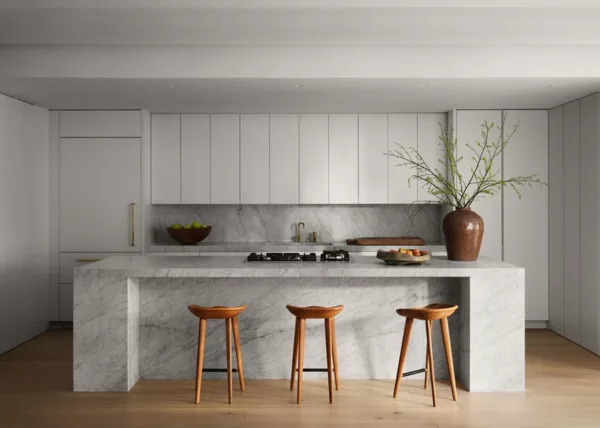
The West 53rd Street Apartment in Manhattan, designed by Messana O’Rorke, exudes calm energy amidst its vibrant industrial neighborhood. The open plan creates an illusion of one expansive space, enhanced by a wall of windows flooding the interior with sunlight. It features distinct but interconnected zones, each offering unique views. An innovative oval-shaped corridor unites these spaces, ensuring uninterrupted flow and eliminating dead ends within the apartment.
- Xinghu One
Winner in Apartments Interior Design
Company: Design Apartment Co., Ltd.
Lead Architect: Chunghan Tang
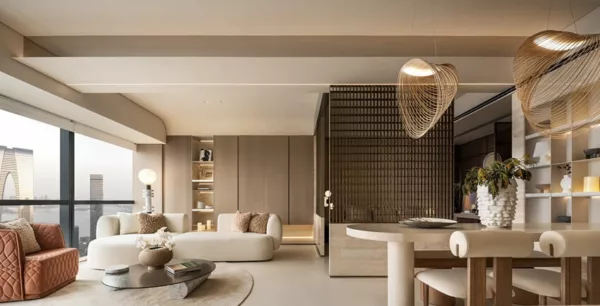
Xinghu One, located in Taipei City, Taiwan, showcases a seamless integration of interior and exterior environments. The open dining and living room areas highlight the scenic views, creating a spacious visual experience. The design cleverly uses linear lighting to resemble the city skyline, connecting indoor spaces to the outdoor urban landscape. This project emphasizes meaningful and purposeful design in every detail, embodying sophisticated apartments interior design.
- Home Ting
Winner in Apartments Interior Design
Company: AtelierDOMUS
Lead Architect: Wenjun Wang
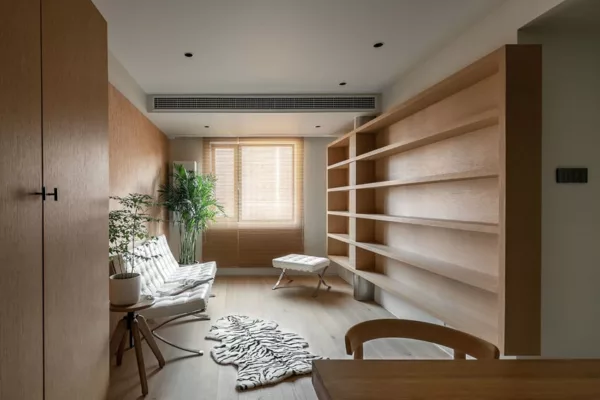
Home Ting is a resettlement housing project in Shanghai, designed by AtelierDOMUS and led by Wenjun Wang. With an area of about 49 ㎡, the original layout was a compact two-bedroom and two-living room design. The project aimed to create a warm and inviting space for the homeowner and her pet dog, transforming the limited space into a cozy and functional home. The design focuses on maximizing the spatial quality, providing a comfortable and aesthetically pleasing environment.
- Radiant Garden
Winner in Apartments Interior Design
Company: Via architecture limited
Lead Architect: Frank Leung
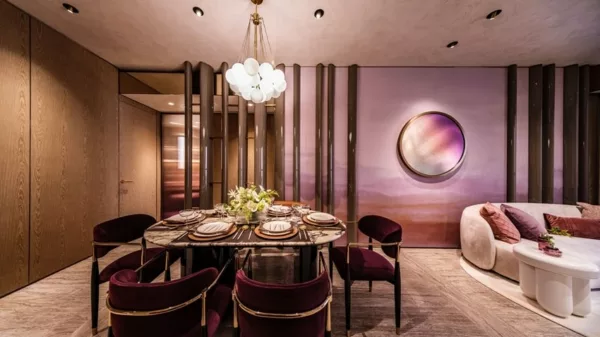
Radiant Garden, located in Hong Kong, translates the hues and textures of a garden into a 3-bedroom apartment. Inspired by Dutch landscape master Piet Oudolf, the apartment features a warm, family-oriented design with a color palette ranging from aubergine to amber. The apartment includes a primary bedroom, a “tree house” bedroom for a child, a study, and a hobby cum store room. It utilizes warm, natural materials like oak panels, luxurious marbles, and radiant gradation glass partitions, offering a cozy yet sophisticated apartment interior design.
- Between Control and Release
Winner in Apartments Interior Design
Company: AJA Architects Associates
Lead Architect: Chang Ming Hu
“Between Control and Release,” located in Taichung City, Taiwan, is an innovative project by AJA Architects Associates, led by Chang Ming Hu. The design focuses on maximizing spatial efficiency, featuring an open public space that enhances the feeling of scale. Storage cabinets are seamlessly integrated into the walls, maintaining a clutter-free environment. The project beautifully blends functionality with design, using material alteration to create a living space that is both comfortable and practical.
- Old&New
Winner in Apartments Interior Design
Company: Between the Walls
Lead Architect: Victoria Karieva
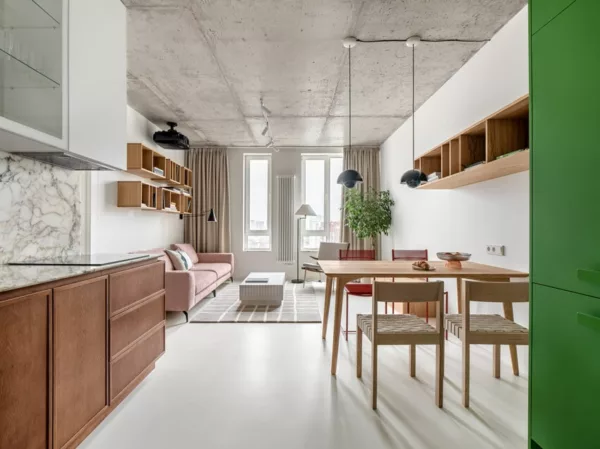
Old&New in Kyiv, Ukraine, by Between the Walls, merges several styles in a small space without smooth transitions, creating a unique harmony. The design includes vintage carpets, a green kitchen cupboard, concrete ceilings, and a vibe reminiscent of a “grandmother’s house.” This project embodies a charismatic blend of diverse design elements, reflecting the client’s multifaceted personality and lifestyle.
- West 22nd Street Loft No. 03
Winner in Apartments Interior Design
Company: Messana O’Rorke
Lead Architect: Brian Messana and Toby O’Rorke
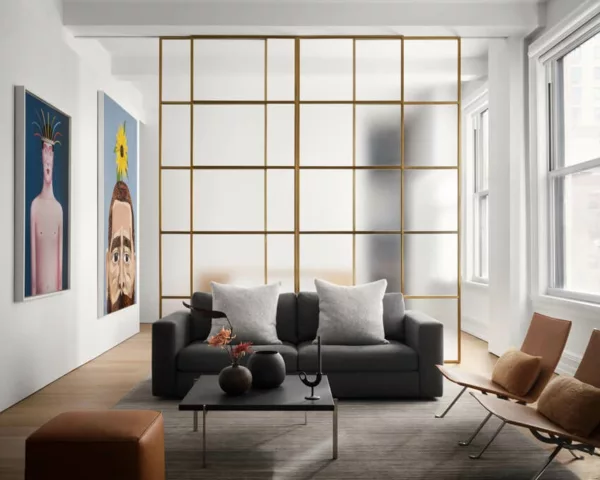
West 22nd Street Loft No. 03 in New York City, a project by Messana O’Rorke, showcases a compact yet intricately designed apartment. It represents the unification of two spaces in a former factory building, creating a multifaceted and discovery-rich environment. The design highlights a clever use of materials and architectural divisions, providing an alternative to the typical loft experience by offering a series of unfolding spaces within a New York City setting.
A Celebration of 12 Distinctive Apartment Designs
These 12 apartment interior design projects are a showcase of creativity and innovation. They highlight the significant impact of interior design in transforming living areas. The projects demonstrate that with creative thinking, effective planning, and inspiration from various sources, interior designers can create spaces that are both functional and aesthetically pleasing.
This collection exemplifies the diverse and exciting opportunities in the field of apartment interior design, encouraging designers worldwide to continue pushing the limits of what is achievable in creating inspiring living spaces.
Last updated: April 2026
Green architecture has moved from a niche aspiration to the defining challenge of the building industry. These nine projects, all recognized by the Architecture MasterPrize, showcase what sustainability looks like at the highest level of design excellence.
What is Green Architecture?
Green architecture is the practice of designing and constructing buildings that minimize their environmental impact across their entire lifecycle: from the materials used in construction, through their operational energy consumption, to how they perform at end of life. A green building is not simply one that uses solar panels or has a planted roof; it is one where environmental responsibility has been integrated into every design decision from the earliest stage.
The term covers a wide spectrum of approaches. At one end are buildings targeting recognized certification standards such as LEED (Leadership in Energy and Environmental Design), BREEAM, or the Living Building Challenge. At the other are projects that achieve environmental performance through vernacular wisdom: passive ventilation strategies derived from local building traditions, bamboo construction that sequesters carbon while growing, or rammed earth walls that regulate interior temperature without mechanical systems.
What the Architecture MasterPrize’s Green Architecture category recognizes is not a single approach but a shared commitment: that design excellence and environmental accountability are inseparable. The best green buildings do not sacrifice spatial quality or architectural ambition for sustainability credentials. They showcase that the two reinforce each other.
Why Green Architecture Matters Now
The construction and building sector is responsible for roughly 40% of global energy consumption and approximately 36% of global carbon dioxide emissions, according to the International Energy Agency. These figures have driven a fundamental shift in how architects, clients, and governments approach new building projects. Green architecture is no longer a premium add-on: it is increasingly a professional, regulatory, and moral baseline.
Climate change has added urgency to this shift. Buildings constructed today will still be in use in 2075 and beyond. Design decisions made now, about materials, thermal performance, water management, and the carbon embodied in the building’s structure, will determine the long-term environmental footprint of our built environment for generations.
Green architecture is not a separate discipline. It is architecture doing its job properly, serving both the people who inhabit buildings and the planet that sustains them.
The projects below represent the leading edge of this shift, recognized by the Architecture MasterPrize for demonstrating that the most rigorous environmental standards can coexist with the highest standards of design. They are drawn from the 2025, 2024, and 2022 AMP editions, alongside earlier winners that remain among the most cited sustainable buildings in their typologies.
What Makes a Building Genuinely Green?
Not all buildings described as sustainable meet the same standards. The Architecture MasterPrize jury evaluates green architecture against the following criteria:
- Energy performance:
how effectively the building reduces operational energy demand, through passive design strategies, high-performance envelopes, natural ventilation, and renewable energy generation.
- Embodied carbon:
the carbon emitted in producing and transporting the building’s materials. Timber and bamboo construction, in particular, can lock up carbon rather than releasing it, making them among the most powerful tools in the green architect’s repertoire.
- Water management:
how the building collects, recycles, and minimizes its consumption of fresh water.
- Materials innovation:
whether the project uses materials that are locally sourced, recycled, rapidly renewable, or designed for end-of-life recovery.
- Ecological integration:
whether the building contributes positively to its surrounding ecology, through green roofs, living walls, biodiversity corridors, or integration with natural hydrological systems.
- Design quality:
whether the environmental ambition enhances or constrains the quality of the spaces created. The jury consistently rewards projects where sustainability is a generator of design excellence, not a list of constraints.
AMP Green Architecture Winners: Quick Reference
The ten projects below cover a range of typologies, climates, and sustainability strategies. All are recognized by the Architecture MasterPrize, with the most recent 2025 and 2024 winners leading the list.
| Project | Architect / Studio | Country | AMP Distinction |
| Edelman Fossil Park & Museum | Ennead Architects | USA | Best of Best 2025 |
| Wood Up — 132 housing units | LAN Architecture | France | Best of Best 2025 |
| Climate House, Hortus Botanicus Amsterdam | ZJA Architects & Engineers | Netherlands | Winner 2025 |
| HAUT Amsterdam | Team V Architecture | Netherlands | Best of Best 2022 |
| BEEAH Headquarters | Zaha Hadid Architects | UAE | Best of Best 2022 |
| Lumi Shala, Alchemy Yoga Center | IBUKU / Elora Hardy | Indonesia | Best of Best 2024 |
| Bat Trang House | Vo Trong Nghia Architects | Vietnam | Best of Best 2023 |
| Doig River Cultural Centre | Iredale Architecture | Canada | Winner 2024 |
| SuperHub Meerstad | De Zwarte Hond | Netherlands | Best of Best 2024 |
Table: Selected Architecture MasterPrize winners in the Green Architecture category.
9 Outstanding Green Architecture Examples, Recognized by the Architecture MasterPrize
1. Edelman Fossil Park & Museum, USA — Ennead Architects
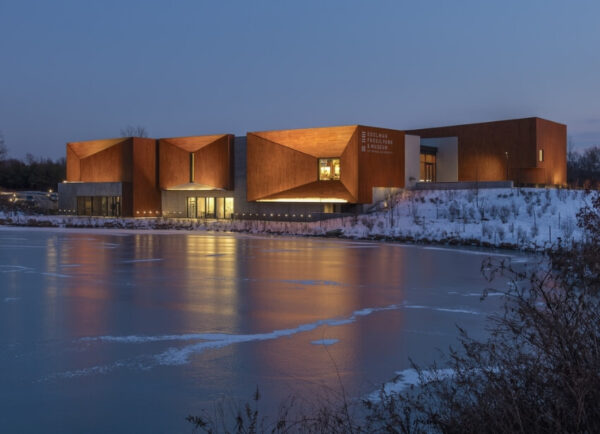
The Edelman Fossil Park & Museum by Ennead Architects is the 2025 Architecture MasterPrize Best of Best winner in Green Architecture. Designed for Rowan University in New Jersey, it will be the state’s largest public net-zero facility and is pursuing the Living Building Challenge, one of the most demanding sustainability standards in the world.
The Living Building Challenge requires a building to generate all its own energy from renewable sources, collect and treat all its own water, use materials free from a list of known toxins, and demonstrate net-positive performance across all these dimensions over a period of operation. The Edelman Fossil Park & Museum will meet 100% of its energy needs through a combination of New Jersey’s green energy grid and on-site renewable generation, with no fossil fuels combusted for operations and no greenhouse gases released into the atmosphere. The surrounding grounds restore plant and animal habitats and key landscape features, making the building itself an act of ecological restoration.
The Edelman Fossil Park & Museum showcases that a public institution can achieve the most ambitious sustainability standards without compromising its architectural mission to inspire scientific curiosity and environmental stewardship.
2. Wood Up, Paris, France — LAN Architecture
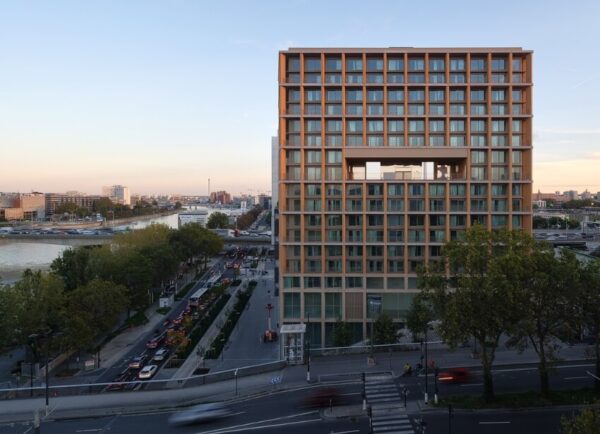
The Wood Up tower by LAN Architecture in Paris is one of Europe’s most significant experiments in vertical timber construction. Standing at 50 metres, it is one of the tallest timber-frame buildings on the continent, comprising 132 residential units, a commercial base, and communal areas including a climbing gym and café, all connected by an outdoor walkway.
The tower demonstrates that timber construction is no longer confined to low-rise or specialist buildings: it is a viable structural system for urban residential towers in dense city centres. LAN’s achievement is to combine this structural ambition with a building that functions as an integrated social programme, offering its residents shared spaces that encourage community and outdoor activity. The project received AMP recognition in the 2025 edition as a Best of Best in residential architecture.
3. Climate House, Hortus Botanicus Amsterdam, Netherlands — ZJA Architects & Engineers
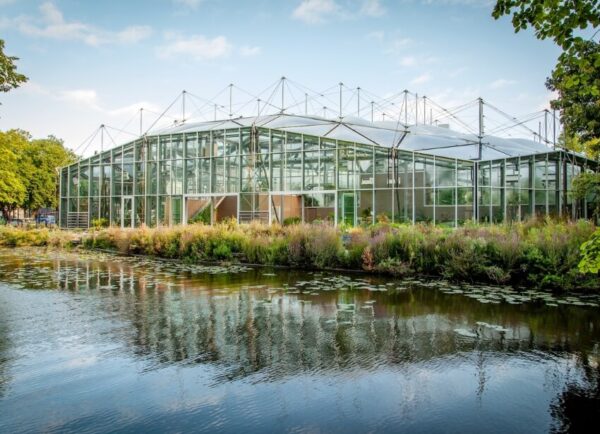
The Climate House at the Hortus Botanicus in Amsterdam by ZJA Architects & Engineers is a 2025 AMP Green Architecture winner that combines the intersection of science, education, and sustainable design. Situated within one of Europe’s oldest botanical gardens, the building houses a living climate exhibit that uses the building itself as a demonstration of passive environmental principles.
The building is designed to create differentiated climate zones using entirely passive means, without mechanical heating or cooling, allowing visitors to move through tropical, temperate, and arid environments within a single structure. The challenge of maintaining multiple distinct climate zones in a building that does not rely on fossil energy is one of the most technically complex problems in sustainable design, and ZJA’s solution demonstrates how architecture, landscape, and engineering can achieve together what no single discipline could accomplish alone.
4. HAUT Amsterdam, Netherlands — Team V Architecture
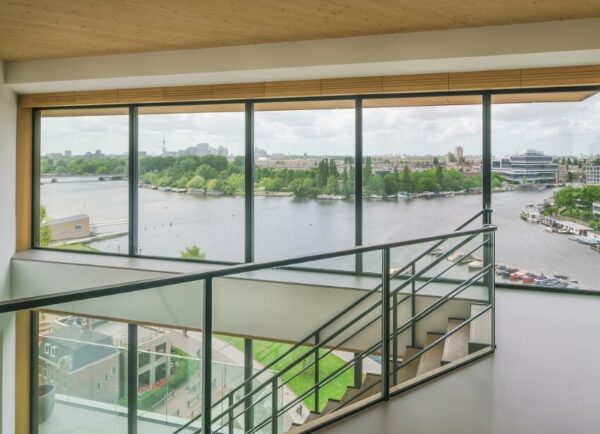
The HAUT Amsterdam tower by Team V Architecture (with Arup, Lingotto, and JP van Eesteren) received the Best of Best distinction in AMP’s Green Architecture category in 2022 and remains one of the most discussed sustainable high-rise buildings in Europe. At 21 floors, it was among the tallest timber towers in the world at the time of its completion.
The structural system uses cross-laminated timber (CLT) panels and glulam columns throughout, with only the core and the concrete foundations in conventional materials. The choice of timber at this scale has profound environmental implications: where a concrete and steel building of comparable size would emit approximately 12,000 tonnes of CO2 equivalent in embodied carbon, HAUT’s timber structure stores carbon rather than releasing it. The building targets very low operational energy consumption and is designed to be adaptable and eventually demountable, extending its useful life beyond a single programme.
5. BEEAH Headquarters, UAE — Zaha Hadid Architects
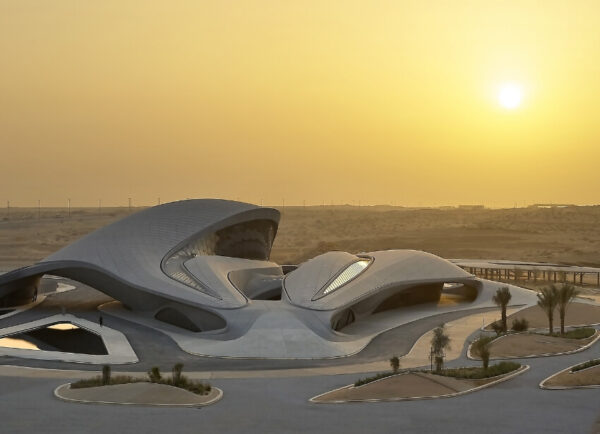
The BEEAH Headquarters in Sharjah by Zaha Hadid Architects is perhaps the most architecturally radical sustainable building in this list. Powered by its solar array to operate at LEED Platinum standards, the building achieves net-zero energy performance in one of the world’s most energy-demanding climates. Its design responds to the desert environment as a series of interconnecting dunes, oriented and shaped to optimize local climatic conditions and minimize solar heat gain.
The building received Best of Best recognition at the 2022 Architecture MasterPrize in the Commercial Architecture. BEEAH Group, which the building houses, is the UAE’s leading sustainability and environmental services company, making the building’s environmental performance not merely a design achievement but a direct expression of its client’s mission.
6. Lumi Shala, Alchemy Yoga Center, Bali, Indonesia — IBUKU
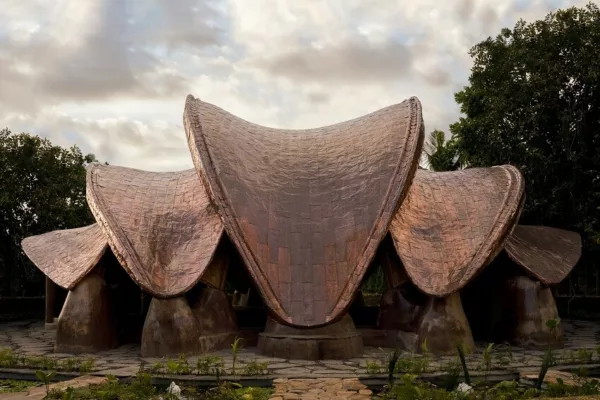
The Lumi Shala at the Alchemy Yoga Center in Bali, designed by IBUKU and led by Elora Hardy, received Best of Best recognition at the 2024 Architecture MasterPrize. It stands as one of the most compelling demonstrations of bamboo’s architectural potential, with soaring bamboo arches landing on mounded foundations and five gridshell roof petals that control the flow of natural light to support yoga practice.
Bamboo is among the most sustainable structural materials available: it grows to harvestable maturity in three to five years, compared to 50 to 100 years for most structural timber, sequesters carbon as it grows, and requires no fertilizers or pesticides. IBUKU’s work at Bali’s Green School and across their portfolio has established bamboo as a serious structural and architectural material at scale, and the Lumi Shala extends this tradition into a wellness typology where the relationship between structure, light, and human experience is refined to an exceptional degree.
7. Bat Trang House, Vietnam — Vo Trong Nghia Architects
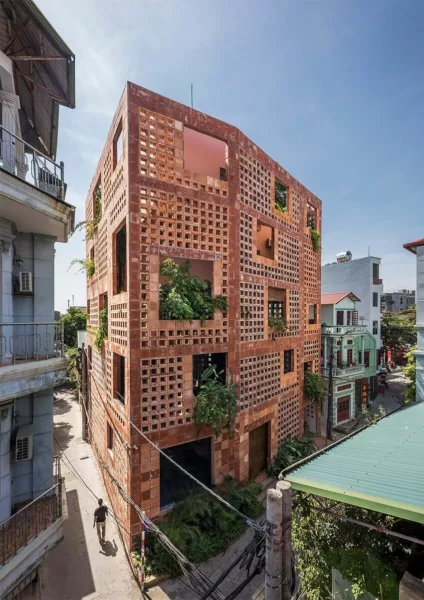
The Bat Trang House by Vo Trong Nghia Architects is an Architecture MasterPrize Best of Best winner that showcases how sustainable design can be inseparable from cultural identity. Located in Bat Trang, Vietnam’s historic ceramic village near Hanoi, the building’s facade is made entirely of handcrafted ceramic bricks arranged to create natural ventilation and light filtration throughout the interior.
The three-layer ventilation system, comprising the external ceramic facade, alternating green spaces, and interior doors, keeps the building cool through Vietnam’s intense heat without mechanical air conditioning. The ceramic bricks reflect the village’s centuries-old pottery tradition, making the building an act of material research and cultural continuity as much as an environmental strategy. Vo Trong Nghia’s practice, one of the most recognized in Southeast Asia for its integration of green design with Vietnamese building culture, has consistently used the AMP platform to bring this work to international attention.
8. Doig River Cultural Centre, Canada — Iredale Architecture
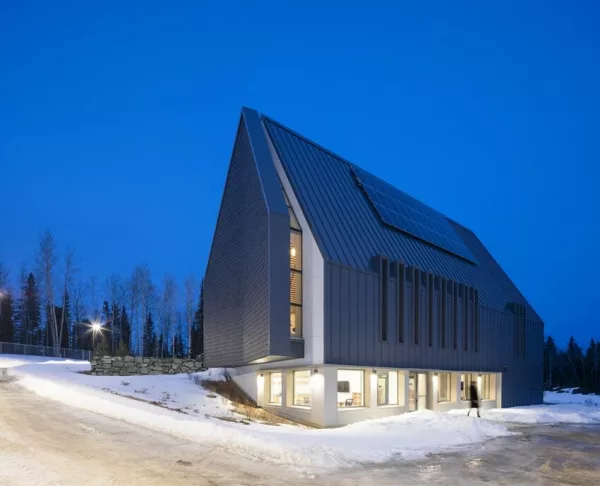
The Doig River Cultural Centre in Rose Prairie, British Columbia, designed by Iredale Architecture, is one of North America’s most significant Passive House-certified cultural buildings. Set in a grove of birch and aspen trees, the building accommodates 150 people and houses a daycare, an Elders’ lounge, and a community sanctuary for the Doig River First Nation.
Passive House certification requires a building’s heating demand to be so low that a conventional heating system becomes unnecessary, achieved through an extremely well-insulated envelope, airtightness, and heat recovery ventilation. In the climate of northern British Columbia, where winter temperatures regularly drop below -30°C, achieving Passive House performance is a considerable technical feat. The building also used a hybrid of site-built and prefabricated components, demonstrating that high-performance sustainable construction is achievable in remote indigenous communities without the infrastructure typically assumed for advanced building performance.
9. SuperHub Meerstad, Netherlands — De Zwarte Hond
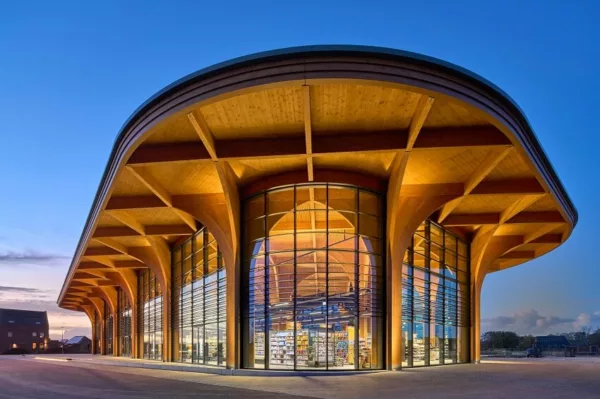
The SuperHub Meerstad in Groningen by De Zwarte Hond is an Architecture MasterPrize winner that redefines what a supermarket can be. Located in the Meerstad district, the building integrates a supermarket and café beneath cross-shaped laminated wooden beams that create a cathedral-like interior flooded with natural light.
Solar panels on the roof generate a significant proportion of the building’s operational energy, and the design’s flexibility allows the building to adapt to different community functions over time. The project is notable for taking a typology, the suburban supermarket, that is typically among the least architecturally ambitious building types, and applying the full rigour of sustainable design and spatial generosity. The result is a community hub that has become a civic gathering place as much as a retail facility, demonstrating that green architecture can elevate even the most pragmatic building programmes.
How the Architecture MasterPrize Evaluates Green Architecture
The Architecture MasterPrize Green Architecture category is one of 41 categories evaluated by the AMP’s international jury. Projects are assessed on design excellence, originality, technical innovation, and functional fulfillment, with environmental performance treated as an integral dimension of design quality rather than a separate checklist.
Projects that score highest across the entire program field receive the Best of Best title. In 2025, the Best of Best in Green Architecture went to the Edelman Fossil Park & Museum by Ennead Architects, New Jersey’s largest planned net-zero public facility.
Architects and design firms from around the world can submit projects to the AMP Green Architecture category. The 2026 edition is currently accepting entries.
Frequently Asked Questions: Green Architecture
Q: What is green architecture?
A: Green architecture is the practice of designing and constructing buildings that minimize their environmental impact across their entire lifecycle. It encompasses energy performance, embodied carbon, water management, materials selection, and ecological integration. A genuinely green building treats environmental responsibility as integral to every design decision, not as an afterthought or a set of external constraints.
Q: What are famous sustainable buildings?
A: Among the most celebrated sustainable buildings recognized by the Architecture MasterPrize are the Edelman Fossil Park & Museum by Ennead Architects (2025 Best of Best, pursuing the Living Building Challenge), HAUT Amsterdam by Team V Architecture (2022 Best of Best, one of Europe’s tallest timber towers), the BEEAH Headquarters by Zaha Hadid Architects (2022 Best of Best, net-zero in the UAE desert), and the Lumi Shala by IBUKU (2024 Best of Best, bamboo architecture in Bali). For the full list of the latest AMP Green Architecture winners, view architectureprize.com/winners.
Q: What are sustainable architecture examples?
A: Sustainable architecture examples cover a wide range of typologies. Timber towers like HAUT Amsterdam demonstrate that multi-storey residential buildings can be built from carbon-storing materials. The Edelman Fossil Park & Museum shows that a public institution can achieve full net-zero energy performance. Bamboo buildings like the Lumi Shala in Bali demonstrate the structural and spatial potential of rapidly renewable materials. The Bat Trang House in Vietnam shows how passive ventilation strategies derived from local building tradition can eliminate the need for mechanical cooling entirely.
Q: What is the difference between green architecture and sustainable architecture?
A: The terms are often used interchangeably, and the distinction is not fixed. ‘Green architecture’ tends to emphasize the ecological and environmental dimensions of a building, particularly its relationship to nature and natural systems. ‘Sustainable architecture’ is a broader term that encompasses environmental, social, and economic dimensions of long-term building performance. In practice, a building that achieves excellence in one tends to perform well in the other, and the Architecture MasterPrize Green Architecture category recognizes both dimensions.
Q: What makes a building qualify as green architecture?
A: There is no single universal standard. Internationally recognized certification systems include LEED (USA), BREEAM (UK), Passive House (Germany), and the Living Building Challenge. Each sets different thresholds for energy performance, water efficiency, materials health, and other criteria. Beyond formal certification, the Architecture MasterPrize jury evaluates green buildings on their integration of environmental principles into the fundamental design concept: how the building relates to its climate, how it manages energy and water, what materials it uses and why, and whether these choices enhance or constrain architectural quality.
Q: How do I enter a green architecture project in the Architecture MasterPrize?
A: Architects and design firms from around the world can submit projects to the AMP Green Architecture category. Entries are accepted for completed buildings and works in progress within the last five years. Submit your project. The 2026 edition is currently accepting entries.
Q: Is bamboo architecture considered green architecture?
A: Yes, and bamboo is among the most environmentally compelling structural materials available. It grows to harvestable maturity in three to five years, compared to 50 to 100 years for most structural timber. It sequesters carbon as it grows and requires no fertilizers or pesticides. IBUKU’s Lumi Shala and the bamboo work of Vo Trong Nghia Architects are among the AMP’s most celebrated green architecture projects because they demonstrate that bamboo construction can meet the highest standards of both sustainability and spatial excellence.
Q: What is passive house architecture?
A: Passive House is a rigorous building standard developed in Germany that aims to reduce a building’s heating and cooling energy demand to a level so low that a conventional heating system becomes unnecessary. It is achieved through an extremely well-insulated building envelope, careful elimination of thermal bridges, high-performance windows, airtightness, and mechanical ventilation with heat recovery. The Doig River Cultural Centre by Iredale Architecture in Canada, recognized by the Architecture MasterPrize, is one of the most significant Passive House-certified cultural buildings in North America.
Explore More Award-Winning Green Architecture
To explore the full list of AMP Green Architecture winners and honorees across all editions, visit the AMP winners archive. For the Architecture MasterPrize Hall of Fame covering all categories, see the complete AMP Hall of Fame.
The Architecture MasterPrize 2026 edition is open for entries. Submit your green architecture project and join the practices recognized for designing buildings that are as good for the planet as they are for the people who inhabit them.
Award-Winning Firms
For over a decade, the Architecture MasterPrize has recognized the world's most outstanding work in architecture, interior design, and landscape — judged by an international jury of leading practitioners and critics. Past winners include globally renowned firms from over 81 countries, alongside emerging voices redefining contemporary design.
Guggenheim
Bilbao
The Architecture MasterPrize gala returns to Bilbao for an evening celebrating the 2025/26 winners and global design excellence — presented in partnership with the Solomon R. Guggenheim Foundation on the bank of the Nervión River in the iconic Guggenheim Museum Bilbao.
⬥ Invitation Only
